Methodology
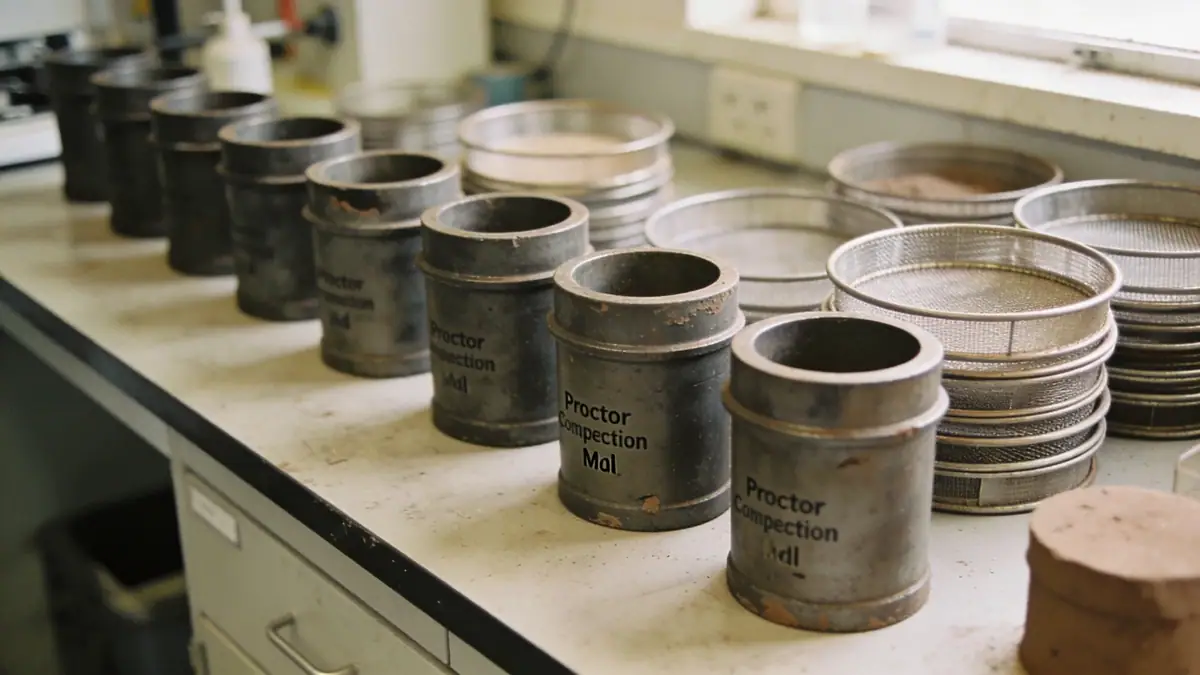
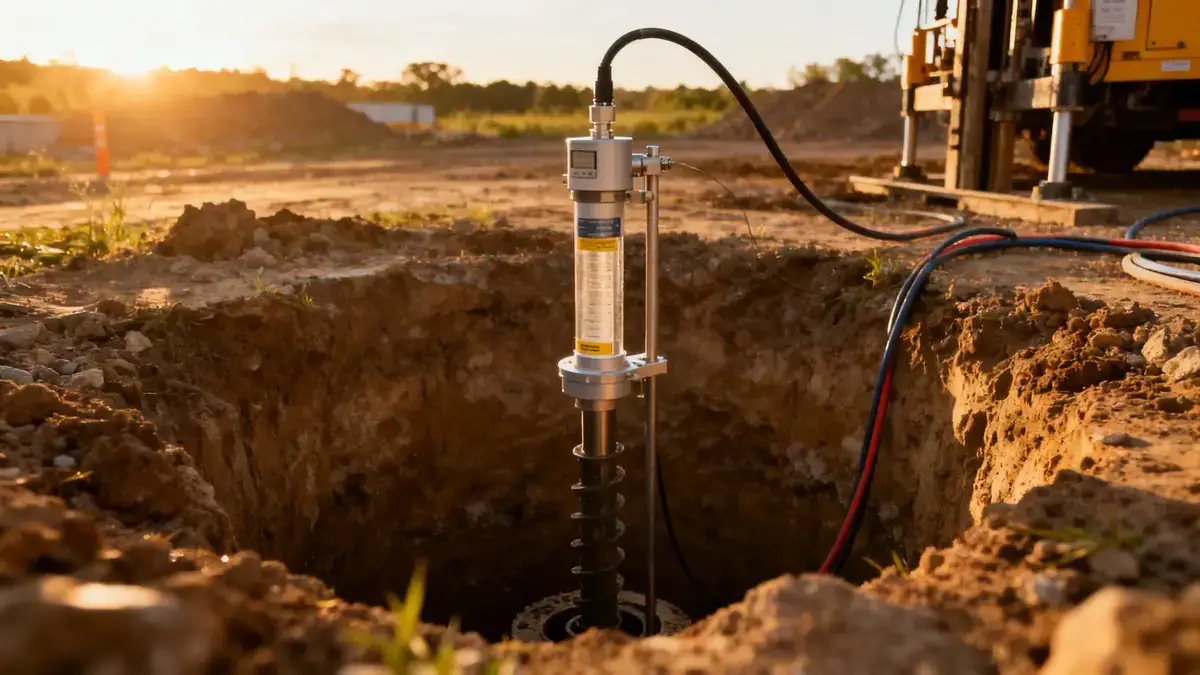
Our approach to geotechnical engineering in Oxnard begins with a thorough review of existing geological maps and seismic hazard data for the area. We then conduct field investigations, typically involving spt boring to depths of 10 to 30 meters, depending on project scale. Soil samples are retrieved at 1.5-meter intervals following ASTM D1586, and groundwater levels are measured during drilling and monitoring well installation. Laboratory testing follows on representative samples to determine index properties, strength, and consolidation characteristics. All data are analyzed within the context of California's seismic design criteria, including ASCE 7-22, to develop site-specific geotechnical parameters. Our methodology ensures that each recommendation is defensible and tailored to Oxnard's subsurface variability.
Reference Technical Parameters
| Parameter | Reference Value |
|---|---|
| Predominant soil type | Silty sand and clay (Holocene alluvium) |
| Maximum seismic acceleration (PGA) | 0.35g to 0.45g (Site Class D) |
| Typical groundwater level | 3 to 8 meters below ground surface |
| Bedrock depth | Variable, typically 20 to 50 meters (Tertiary sedimentary rock) |
| Typical N60 range (SPT) | 4 to 30 blows per foot |
Local Considerations — Oxnard
Oxnard's coastal location presents distinct geotechnical considerations. The city is underlain by Quaternary alluvium and marine terrace deposits, with shallow groundwater near the harbor and low-lying areas. Seismic hazards include strong ground shaking from the San Andreas and nearby thrust faults, with peak ground accelerations reaching 0.45g. Liquefaction potential is elevated in sandy layers with high water tables, particularly in the Oxnard Plain. Hillside areas to the north, such as El Rio, may require slope stability analyses for developments. Our team addresses these factors through site-specific studies, referencing local building codes and providing solutions that mitigate risk. For regional context, our geotechnical engineering in Los Angeles team applies similar methodologies to comparable coastal conditions.
Request a Quote
Our team reviews your project and issues an initial report at no cost.
Or write us directly at [email protected]
Services in Oxnard
Applicable Standards
- ASTM D1586
- ASCE 7-22
- California Building Code (CBC 2022)
- OSHA 29 CFR 1926 Subpart P
Frequently Asked Questions
What types of soil are commonly found in Oxnard?
Oxnard's subsurface typically consists of Holocene alluvium, including silty sands, clays, and occasional gravel layers. Marine terrace deposits are present near the coast, and deeper formations include Tertiary sedimentary rock. Soil properties vary significantly between the Oxnard Plain and hillside areas, requiring site-specific investigation.
How does seismic activity affect geotechnical engineering in Oxnard?
Oxnard lies in a seismically active region, with potential for strong ground shaking from multiple fault systems. Geotechnical investigations must evaluate liquefaction, lateral spreading, and site amplification. Design parameters such as PGA and Site Class are determined per ASCE 7 to ensure foundation resilience against seismic events.
Are geotechnical studies mandatory for construction projects in Oxnard?
Yes, most new construction and significant renovations in Oxnard require a geotechnical investigation per the California Building Code. The study must address soil bearing capacity, settlement, groundwater, and seismic hazards. Local jurisdictions may also require peer review for large or critical structures.