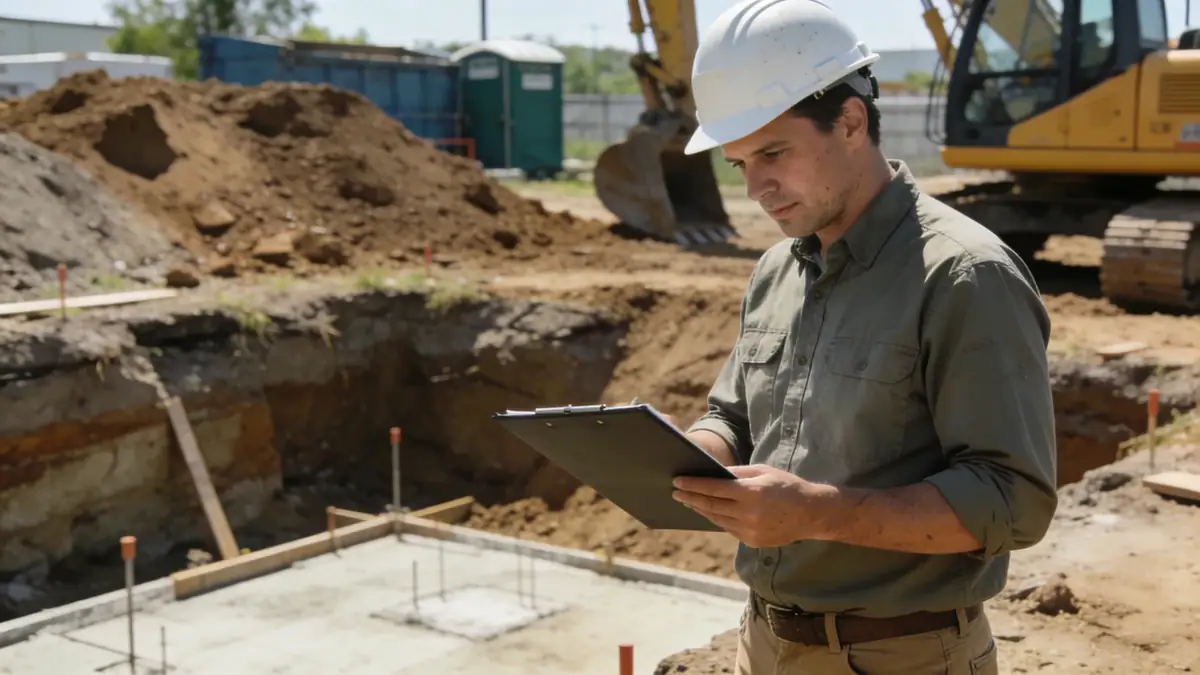
Methodology
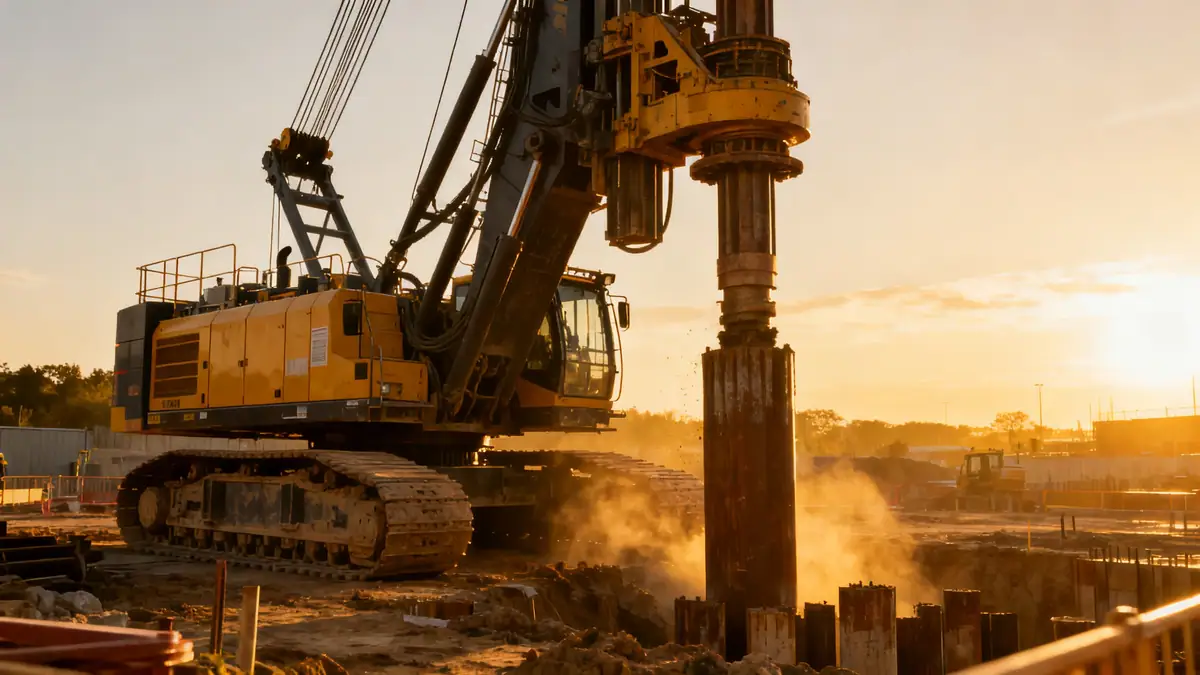
Our methodology for geotechnical engineering in Hayward integrates advanced site investigation techniques, including spt boring to characterize subsurface conditions and retrieve soil samples for laboratory testing. We utilize cone penetration testing (CPT) for continuous profiling and install piezometers to monitor groundwater levels. Seismic hazard assessments follow ASCE 7 standards, incorporating site-specific response spectra. Our approach adheres to ASTM D1586 for standard penetration tests, ensuring data reliability. By correlating field data with laboratory analyses—such as grain size distribution (ASTM D6913) and Atterberg limits—we develop robust geotechnical models that inform foundation design, slope stability, and earthwork recommendations for Hayward projects.
Reference Technical Parameters
| Parameter | Reference Value |
|---|---|
| Predominant soil type | Alluvial clays, silts, and sands with gravel lenses |
| Maximum seismic acceleration (PGA) | 0.5g to 0.7g (seismic zone 4, per ASCE 7) |
| Typical groundwater level | 3 to 6 meters below ground surface |
| Bedrock depth | 10 to 30 meters (Franciscan Complex) |
| Typical N60 range | 5 to 30 blows per 0.3 m (variable) |
Local Considerations — Hayward
Hayward's geology is dominated by alluvial deposits from the San Lorenzo Creek and Bay muds, with varying clay and sand layers. The active Hayward Fault imposes high seismic risk, requiring site-specific fault rupture and liquefaction analyses. Groundwater levels fluctuate seasonally, affecting foundation excavations and slope stability. The western flatlands contrast with eastern hills, where colluvial soils and bedrock outcrops pose landslide hazards. Typical projects include residential developments near the fault zone and commercial structures requiring deep foundations. Our expertise in geotechnical engineering in Hayward ensures compliance with local building codes, including the California Building Code and Alameda County regulations. For broader regional context, our geotechnical engineering services in Los Angeles address similar seismic challenges.
Request a Quote
Our team reviews your project and issues an initial report at no cost.
Or write us directly at [email protected]
Services in Hayward
Applicable Standards
- ASTM D1586 (Standard Penetration Test)
- ASCE 7 (Minimum Design Loads for Buildings and Other Structures)
- California Building Code (CBC) Chapter 18
- Alameda County Grading Ordinance
- Hayward Fault Earthquake Hazard Zone regulations
Frequently Asked Questions
What soil types are common in Hayward?
Hayward soils primarily consist of alluvial clays, silts, and sands, with localized gravel lenses. Bay muds are prevalent near the shoreline, while hillside areas feature colluvial soils and weathered bedrock. These variations require careful geotechnical characterization for foundation design.
How does the Hayward Fault affect geotechnical engineering?
The Hayward Fault is a major seismic source, requiring site-specific studies for fault rupture, ground shaking, and liquefaction. Projects within the Alquist-Priolo Earthquake Fault Zone must avoid active traces or implement special foundations. Our analyses incorporate ASCE 7 seismic design criteria.
Are geotechnical studies mandatory for construction in Hayward?
Yes, most jurisdictions in Hayward require geotechnical investigations for new construction, additions, and grading permits. The California Building Code mandates soil reports for seismic design, slope stability, and foundation suitability. Our firm prepares reports that meet local building department requirements.