Methodology
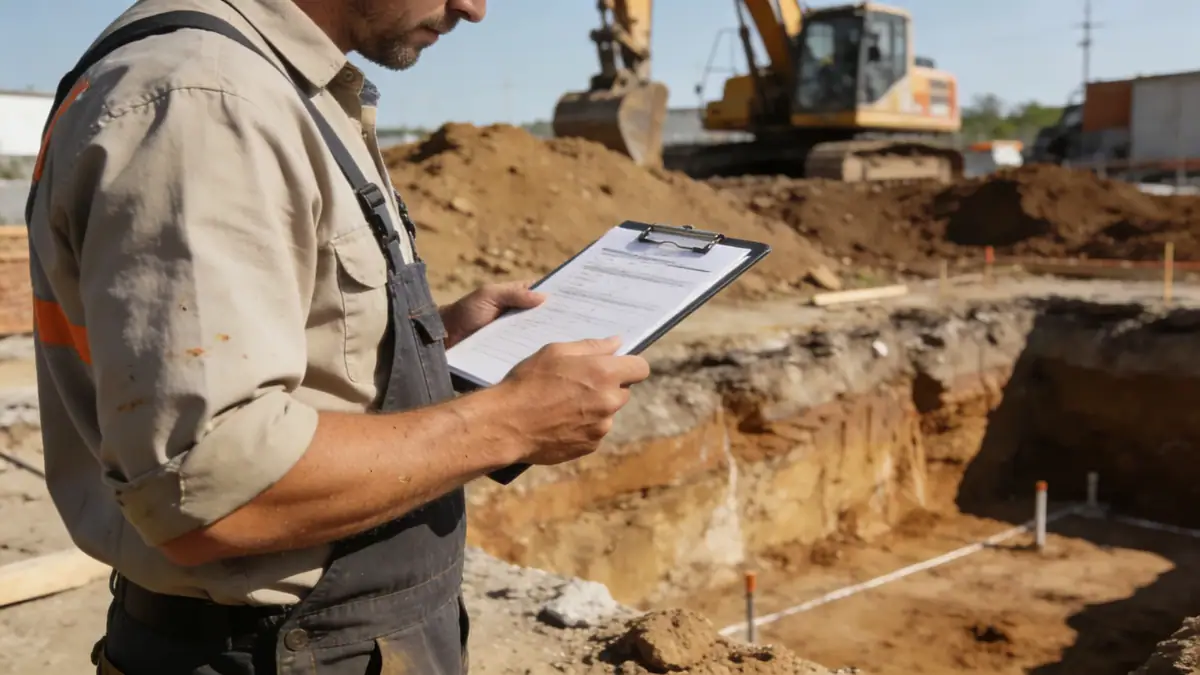
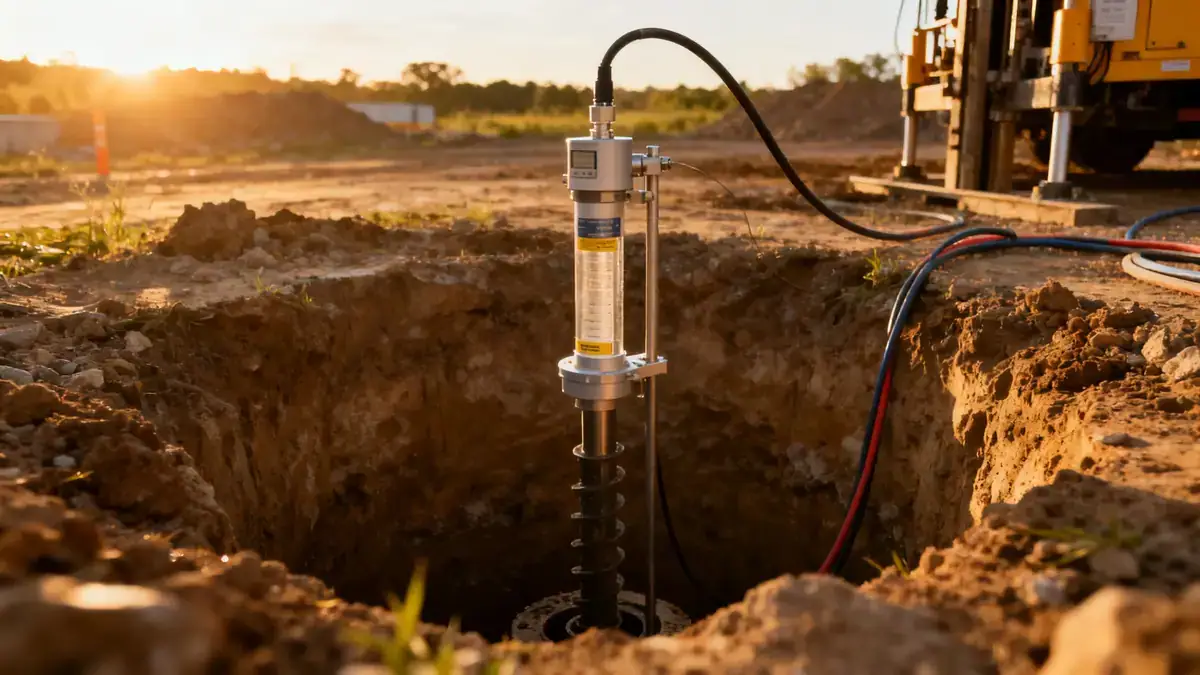
Our geotechnical methodology in Escondido begins with a comprehensive site reconnaissance and review of existing geological maps. We then conduct subsurface explorations, including spt boring to obtain soil samples and measure in-situ resistance. Boring depths typically range from 10 to 30 meters, depending on project scale, with sampling intervals per ASTM D1586. Laboratory testing follows on retrieved samples to classify soils, assess strength, and determine consolidation characteristics. Our approach integrates seismic hazard analysis per ASCE 7 to evaluate liquefaction potential and site class. Geotechnical modeling uses these data to recommend foundation types, bearing capacities, and settlement estimates. Our team tailors investigation plans to Escondido's specific conditions, ensuring cost-effective and safe design.
Reference Technical Parameters
| Parameter | Reference Value |
|---|---|
| Predominant soil type | Alluvial sands and silts over granitic bedrock |
| Maximum seismic acceleration (PGA) | 0.5g (MCE per ASCE 7) |
| Typical groundwater level | 3–8 m below grade |
| Bedrock depth | 10–30 m |
| Typical N60 range | 10–40 blows/ft |
Local Considerations — Escondido
Escondido's geology varies significantly: the western area features deep alluvial deposits with high groundwater, while eastern zones have shallow bedrock and expansive clays. Our team addresses these contrasts by customizing exploration plans—using deeper borings in the west and focusing on clay mineralogy in the east. Seismic site class ranges from C to D, requiring site-specific response analysis. We also consider historical landslides on steep slopes and collapsible soils in alluvial fans. Our local experience ensures accurate characterization. For projects requiring specialized analysis, we coordinate with our soil mechanics laboratory for advanced testing. Additionally, our hub in geotechnical engineering en Los Angeles provides regional support and expertise.
Request a Quote
Our team reviews your project and issues an initial report at no cost.
Or write us directly at [email protected]
Services in Escondido
Applicable Standards
- ASTM D1586
- ASCE 7
- California Building Code (CBC)
- City of Escondido Municipal Code
- OSHA 29 CFR 1926
Frequently Asked Questions
What are the common soil types found in Escondido?
Escondido typically has alluvial sands, silts, and clays in valley areas, with granitic bedrock at depth. Expansive clays are present in some eastern zones, requiring special foundation design to mitigate heave.
How does seismic activity affect foundation design in Escondido?
Escondido is in a high seismic zone due to nearby faults. The California Building Code mandates site-specific seismic analysis per ASCE 7, including evaluation of liquefaction potential and site class determination to design foundations that withstand earthquake forces.
Do I need a geotechnical study for a residential project in Escondido?
Yes, the City of Escondido requires a geotechnical report for most new construction and additions. The study assesses soil bearing capacity, settlement, and seismic hazards to ensure safe foundation design and compliance with local codes.