Methodology

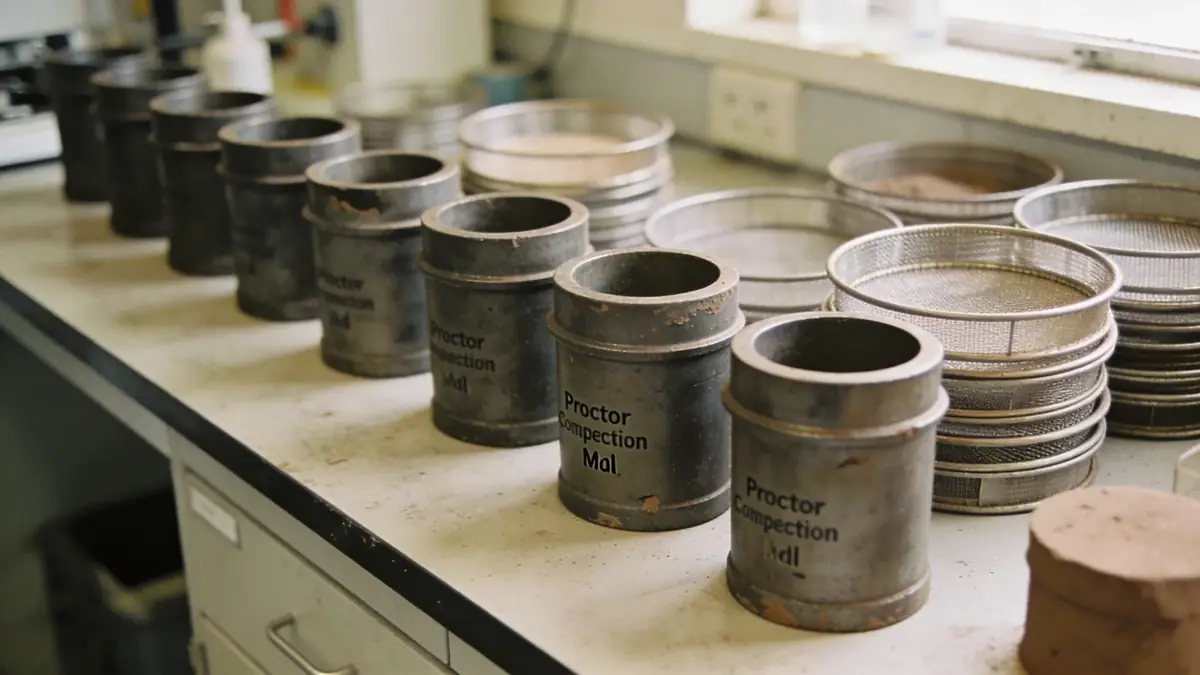
Our methodology for geotechnical engineering in Fremont begins with a detailed review of existing geologic maps and seismic hazard data. We then conduct subsurface exploration using standard penetration testing (SPT) per ASTM D1586, typically advancing borings to depths of 8 to 15 meters for residential projects and up to 30 meters for larger structures. Soil samples are retrieved for laboratory classification, strength, and consolidation testing. Our team also performs spt boring to obtain N-values and undisturbed samples. Groundwater monitoring wells are installed to assess seasonal fluctuations. All data is synthesized into a geotechnical report that addresses foundation design, slope stability, and seismic site class per ASCE 7.
Reference Technical Parameters
| Parameter | Reference Value |
|---|---|
| Predominant soil type | Alluvial silty sands and clays |
| Maximum seismic acceleration (PGA) | 0.4g (per ASCE 7 seismic map) |
| Typical groundwater level | 3 to 8 meters below ground surface |
| Bedrock depth | Variable, typically >30 meters |
| Typical N60 range | 10 to 30 blows per 0.3m |
Local Considerations — Fremont
Fremont's geology is dominated by alluvial fans and fluvial deposits from the nearby hills, resulting in heterogeneous soil profiles with interbedded sands, silts, and clays. Seasonal groundwater fluctuations can affect shallow foundations and require careful drainage design. The region is seismically active due to the nearby Hayward Fault; our team applies ASCE 7 seismic site classification and evaluates liquefaction potential. For projects in the historic district, deeper excavations may encounter stiff clays and old channel deposits. We also offer soil mechanics laboratory services for precise index and strength testing. For broader context, our geotechnical engineering en Los Angeles hub provides additional regional insights.
Request a Quote
Our team reviews your project and issues an initial report at no cost.
Or write us directly at [email protected]
Services in Fremont
Applicable Standards
- ASTM D1586
- ASCE 7
- California Building Code (CBC)
- ASTM D2487 (Unified Soil Classification System)
Frequently Asked Questions
What soil types are common in Fremont for geotechnical engineering?
Fremont's subsurface primarily consists of alluvial silty sands, clays, and occasional gravel layers. These deposits vary laterally and with depth, requiring careful site-specific investigation. Our team uses SPT and laboratory testing to characterize soil behavior for foundation design.
What seismic codes apply to geotechnical engineering in Fremont?
Fremont follows the California Building Code, which adopts ASCE 7 for seismic design. Site-specific seismic hazard analysis includes peak ground acceleration (PGA up to 0.4g) and liquefaction assessment. Our reports comply with these codes to ensure structural safety.
Are geotechnical studies mandatory for construction in Fremont?
Yes, most building permits in Fremont require a geotechnical investigation per CBC Chapter 18. This includes subsurface exploration, laboratory testing, and recommendations for foundations, retaining walls, and slab-on-grade. Our team provides these services efficiently.