Methodology
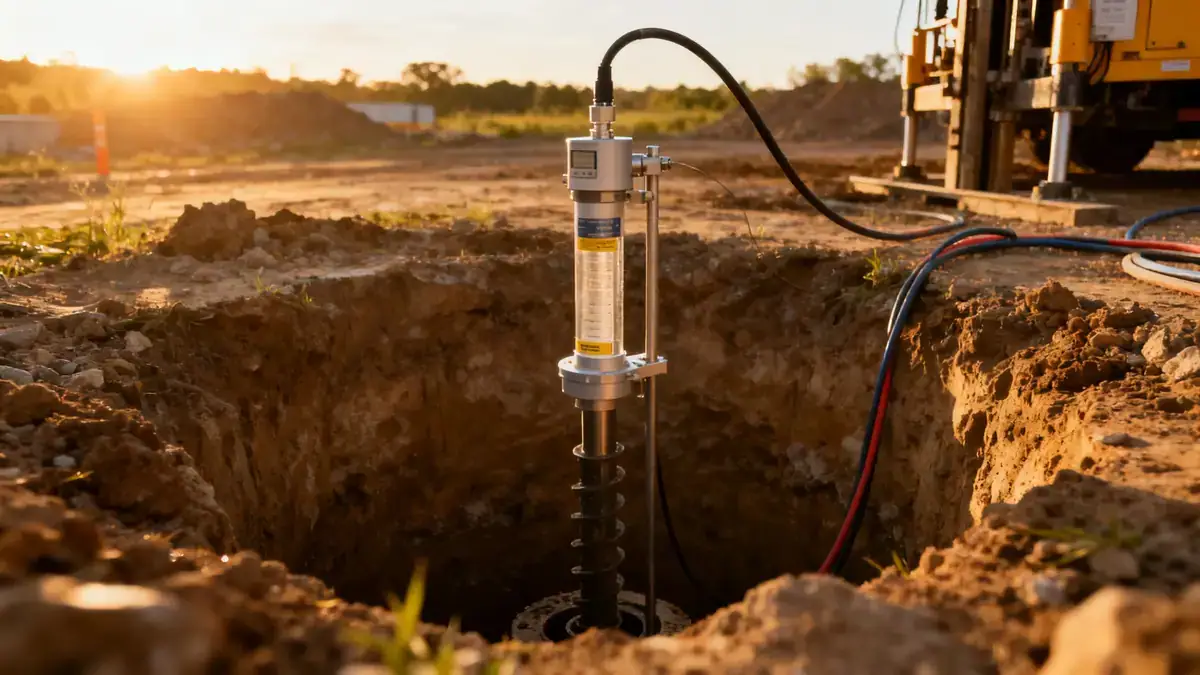
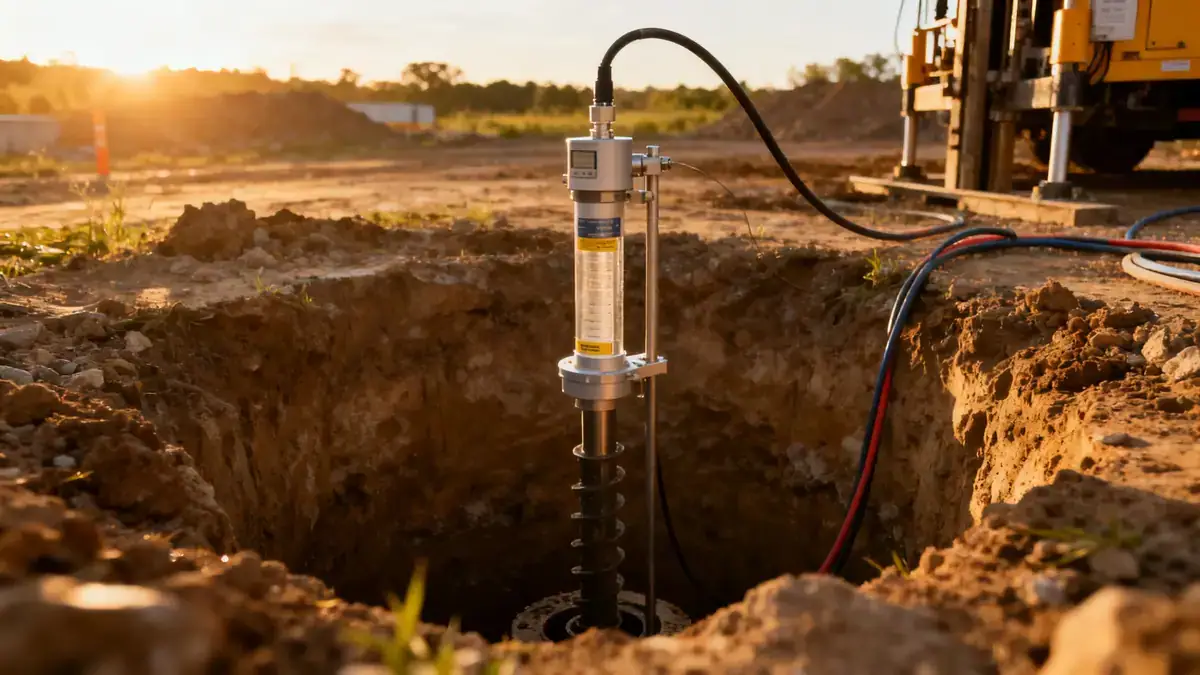
Our methodology for geotechnical engineering in Santa Clarita follows a phased approach tailored to local conditions. We begin with a desktop study of existing geologic maps and seismic hazard data, then conduct field investigations including spt boring to characterize soil strata and groundwater conditions. Sampling intervals per ASTM D1586 are typically 1.5 m, with depths ranging from 6 to 30 m depending on project scale. Soil samples are analyzed in our soil mechanics laboratory for index properties, strength, and compressibility. This data informs numerical analyses for foundation design and seismic site response, ensuring compliance with CBC seismic provisions.
Reference Technical Parameters
| Parameter | Reference Value |
|---|---|
| Predominant Soil Type | Alluvial sands, silts, and gravels with clay interbeds |
| Maximum Seismic Acceleration (PGA) | 0.4–0.6 g (Site Class D, per ASCE 7) |
| Typical Groundwater Level | 3–10 m below ground surface (seasonal variation) |
| Bedrock Depth | Variable; 15–50 m in valley, shallower in foothills |
| Typical N60 Range | 10–40 blows/ft (sands); 5–20 blows/ft (clays) |
Local Considerations — Santa Clarita
Santa Clarita's geology presents five key considerations for geotechnical engineering. First, alluvial fan deposits dominate the valley floor, with interbedded sands and clays causing differential settlement risks. Second, the shallow groundwater table (3–10 m) requires dewatering plans for deep excavations. Third, seismic hazards include strong ground shaking (PGA up to 0.6g per ASCE 7) and liquefaction potential in saturated sands. Fourth, hillside developments in areas like Valencia face slope stability challenges; our team often recommends slope stability analyses for cut-and-fill sites. Fifth, expansive clay layers in the Saugus Formation necessitate special foundation designs. Our firm has extensive experience addressing these conditions on projects ranging from single-family homes to large commercial complexes.
Request a Quote
Our team reviews your project and issues an initial report at no cost.
Or write us directly at [email protected]
Services in Santa Clarita
Applicable Standards
- California Building Code (CBC)
- ASCE 7-16 Minimum Design Loads for Buildings and Other Structures
- ASTM D1586 Standard Test Method for Standard Penetration Test (SPT)
- ASTM D2487 Classification of Soils for Engineering Purposes
- City of Santa Clarita Municipal Code – Grading and Erosion Control
Frequently Asked Questions
What are the typical soil conditions in Santa Clarita?
Santa Clarita soils are primarily alluvial deposits from the Santa Clara River and its tributaries. They consist of interbedded sands, silts, gravels, and clays. In foothill areas, residual soils from weathered sedimentary rock are common. Expansive clays are present in certain formations, requiring careful foundation design.
Is a geotechnical study required for construction in Santa Clarita?
Yes, the City of Santa Clarita requires geotechnical investigations for most new construction and significant additions, especially in hillside areas or where expansive soils or seismic hazards exist. The study must comply with CBC and ASCE 7 standards. Our team prepares reports that satisfy all local permitting requirements.
How does seismic activity affect foundation design in Santa Clarita?
Santa Clarita is in Seismic Zone 4 with high PGA values (0.4–0.6g). Foundations must be designed for strong shaking, liquefaction potential, and fault displacement. Site-specific seismic hazard analyses per ASCE 7 are common. Our designs often include reinforced foundations, deep piles, or ground improvement to mitigate risks.