Methodology
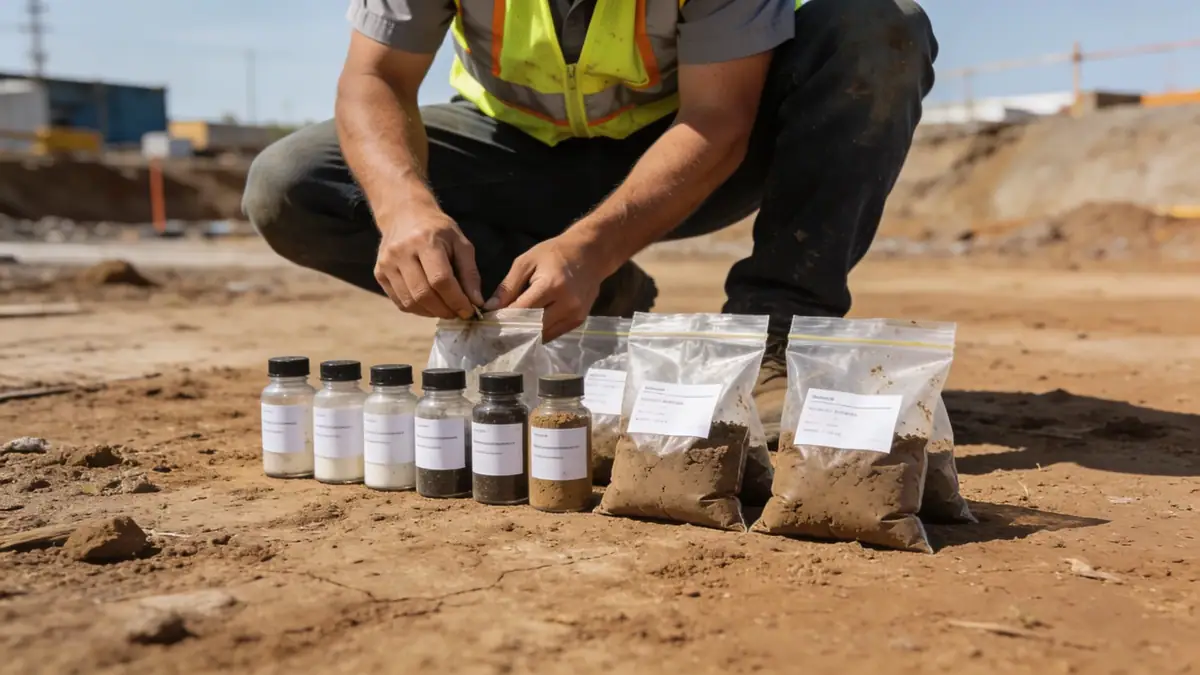
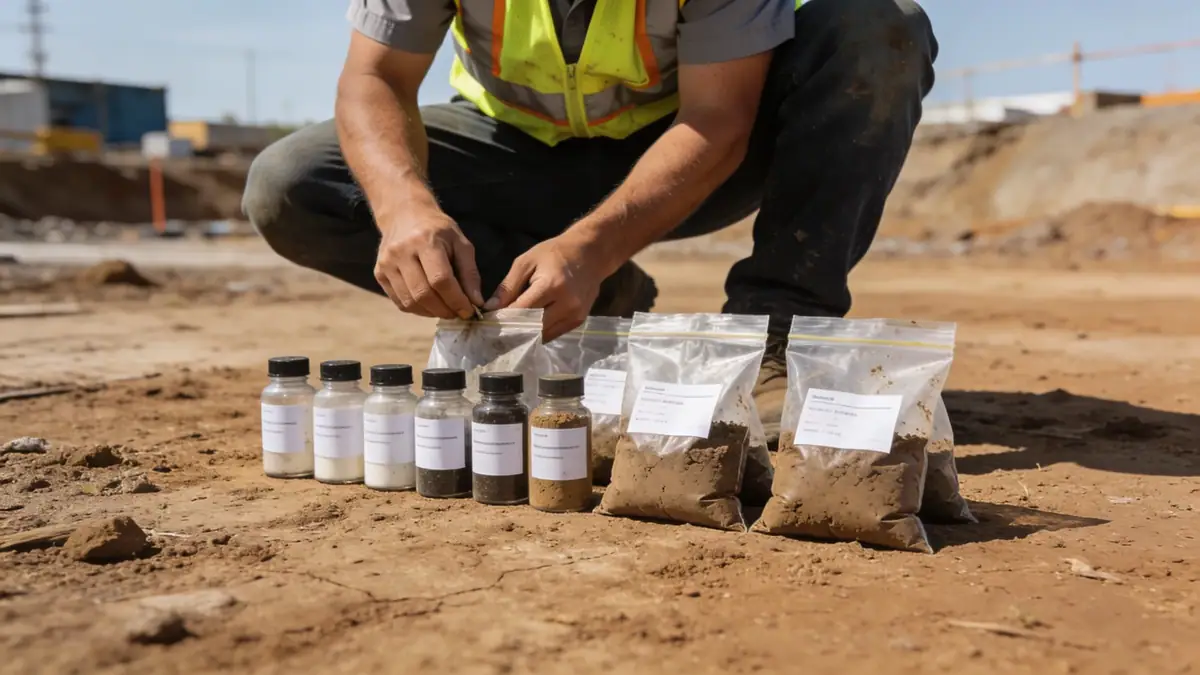
Our methodology for geotechnical engineering in Corona California begins with a review of existing geologic maps and seismic hazard data. We then conduct field investigations, including spt boring to characterize subsurface stratigraphy and collect undisturbed samples for laboratory testing. Soil classification, strength, and consolidation parameters are determined per ASTM standards. For sites with potential liquefaction, we perform cyclic triaxial tests and evaluate triggering using procedures like those in ASCE 7. Our approach integrates these results into site-specific recommendations for foundation design, slope stability, and seismic mitigation. All work adheres to California Building Code requirements and local municipal standards.
Reference Technical Parameters
| Parameter | Reference Value |
|---|---|
| Predominant Soil Type | Alluvial sands, silts, and gravels; colluvium on hillsides |
| Maximum Seismic Acceleration (PGA) | 0.4g to 0.6g (Site Class D, per ASCE 7-16) |
| Typical Groundwater Level | 10 to 25 ft below grade in valley areas; deeper or absent in foothills |
| Bedrock Depth | 50 to 200 ft (sedimentary bedrock, mostly sandstone and shale) |
| Typical N60 Range (SPT) | 10 to 50 blows/ft in granular soils; variable in cohesive layers |
Local Considerations — Corona California
Corona California's geology is dominated by Quaternary alluvial deposits from the Santa Ana River and its tributaries, underlain by Tertiary sedimentary rocks. The city's location within the Perris Block and proximity to the San Jacinto fault zone creates moderate to high seismic hazard. Liquefaction potential is elevated in areas with shallow groundwater and loose sands, particularly near the river corridor. Hillside areas underlain by colluvium and weathered bedrock require careful slope stability analysis. Land use contrasts between the flat valley floor (commercial/industrial) and steeper terraces (residential) demand varied geotechnical approaches. Typical projects include single-family homes, schools, and retail centers. Our team provides slope stability evaluations for hillside developments and foundation recommendations for all site classes. For broader regional context, see our geotechnical engineering services in Los Angeles.
Request a Quote
Our team reviews your project and issues an initial report at no cost.
Or write us directly at [email protected]
Services in Corona California
Applicable Standards
- ASTM D1586 (Standard Penetration Test)
- ASCE 7-16 (Minimum Design Loads for Buildings and Other Structures)
- California Building Code (CBC) Chapter 18
- City of Corona Municipal Code – Grading and Excavation
Frequently Asked Questions
What are the typical soil conditions in Corona California?
Soils in Corona California are predominantly alluvial sands, silts, and gravels in the valley, with colluvium and weathered bedrock on hillsides. Groundwater is shallow (10–25 ft) near the Santa Ana River, deeper elsewhere. These conditions require site-specific investigations for foundation and seismic design.
Is a geotechnical study required for building in Corona California?
Yes, the California Building Code and Corona Municipal Code require a geotechnical investigation for most new construction, additions, and grading projects. Exceptions may apply for very small structures, but a site evaluation is strongly recommended to mitigate liquefaction, settlement, and slope stability risks.
How does seismic activity affect geotechnical engineering in Corona California?
Corona California is in Seismic Zone 4 per the CBC, with design PGA values of 0.4g–0.6g. This requires evaluation of liquefaction, lateral spreading, and seismic settlement. Our analyses follow ASCE 7 procedures and incorporate site-specific shear wave velocity or N60 data to classify site conditions.