Methodology
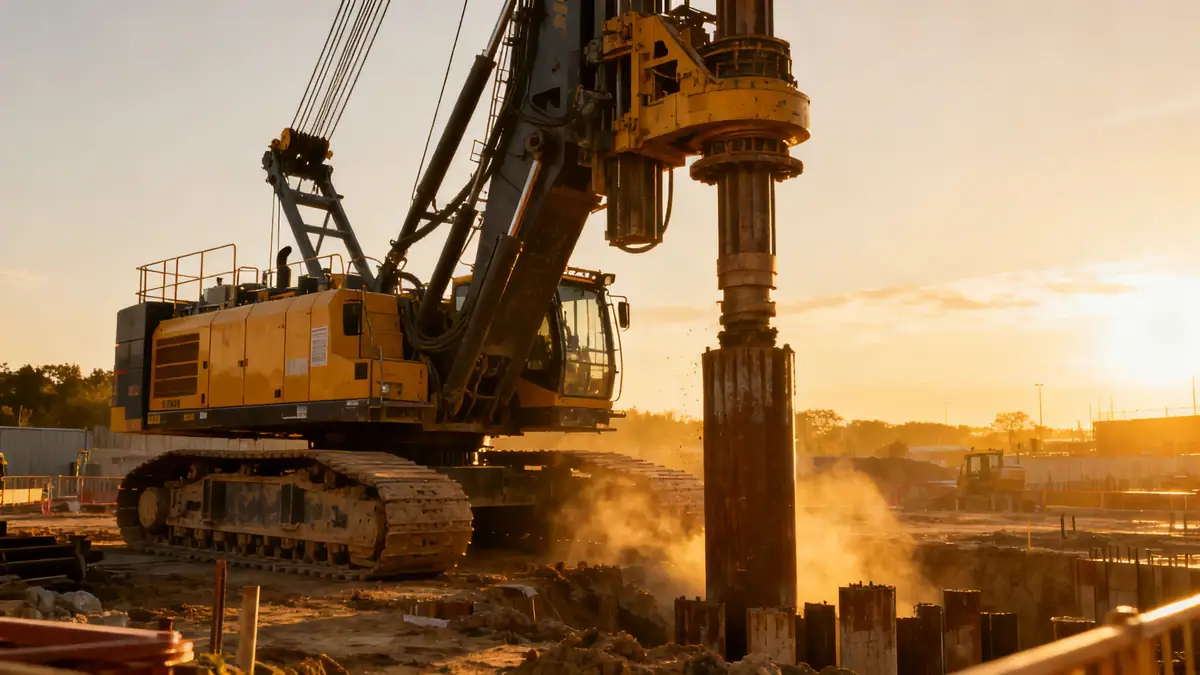
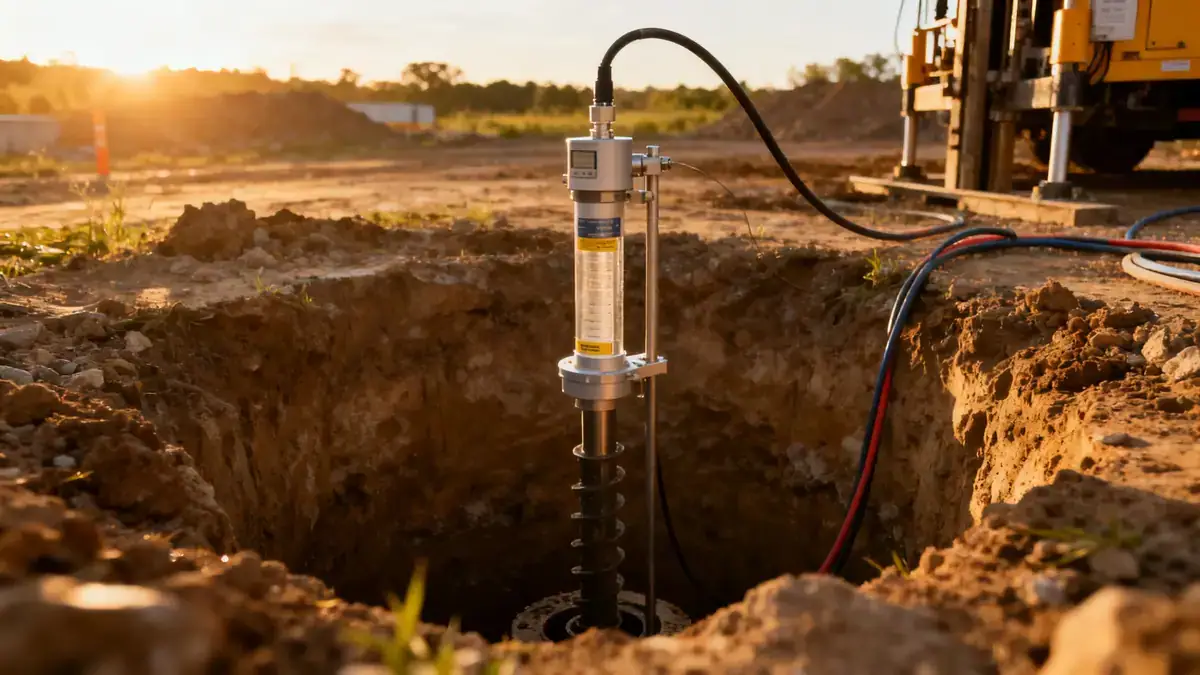
Our methodology for projects in Boise begins with a thorough review of existing geologic maps and local case histories. We then conduct field investigations using spt boring to collect disturbed and undisturbed samples at depths appropriate for the proposed structure. Laboratory testing follows ASTM standards to determine soil classification, strength, and consolidation parameters. Our approach integrates seismic hazard analysis per ASCE 7, providing site-specific response spectra for design. Data is synthesized into actionable recommendations for foundations, earthworks, and slope stability.
Reference Technical Parameters
| Parameter | Reference Value |
|---|---|
| Predominant soil type | Silty sand and gravel (SM, GP-GM) |
| Maximum seismic acceleration (PGA) | 0.3 g (ASCE 7 Site Class D) |
| Typical groundwater level | 3–6 m below grade (valley areas) |
| Bedrock depth | 15–30 m (variable in foothills) |
| Typical N60 range | 10–40 blows/300 mm (ASTM D1586) |
Local Considerations — Boise
Boise's geology is shaped by the Boise River and Quaternary alluvium, with the foothills underlain by Idaho Batholith granitic rocks. The valley fill can contain lenses of soft clay and loose sands, requiring careful evaluation for liquefaction potential under seismic loading. In the foothills, colluvial soils on slopes pose stability concerns. Groundwater is generally shallow near the river but deepens towards the bench. Our team adapts investigation strategies accordingly, with deeper borings in the valley and slope stability analyses in the hills. For clients requiring a broader regional perspective, our geotechnical engineering in Seattle team addresses similar challenges in the Pacific Northwest.
Request a Quote
Our team reviews your project and issues an initial report at no cost.
Or write us directly at [email protected]
Services in Boise
Applicable Standards
- ASTM D1586 (Standard Penetration Test)
- ASCE 7 (Minimum Design Loads for Buildings)
- IBC (International Building Code)
- OSHA 29 CFR 1926 (Excavation Safety)
Frequently Asked Questions
What are the typical soil conditions in Boise?
Boise's soils are predominantly silty sands and gravels in the valley, with occasional clay lenses. In the foothills, residual soils over granitic bedrock are common. These conditions require careful evaluation of bearing capacity and settlement, especially for larger structures.
Is seismic analysis required for projects in Boise?
Yes, Boise is in a moderate seismic zone with a PGA of up to 0.3 g per ASCE 7. Site-specific seismic hazard analysis is recommended for critical structures to assess liquefaction and ground motion amplification, particularly in the alluvial valley.
Are geotechnical studies mandatory for construction in Boise?
While not universally mandated, local building departments often require geotechnical reports for commercial and multi-family projects. For residential construction, a geotechnical evaluation is strongly advised to address variable soil conditions and seismic risks.