Methodology
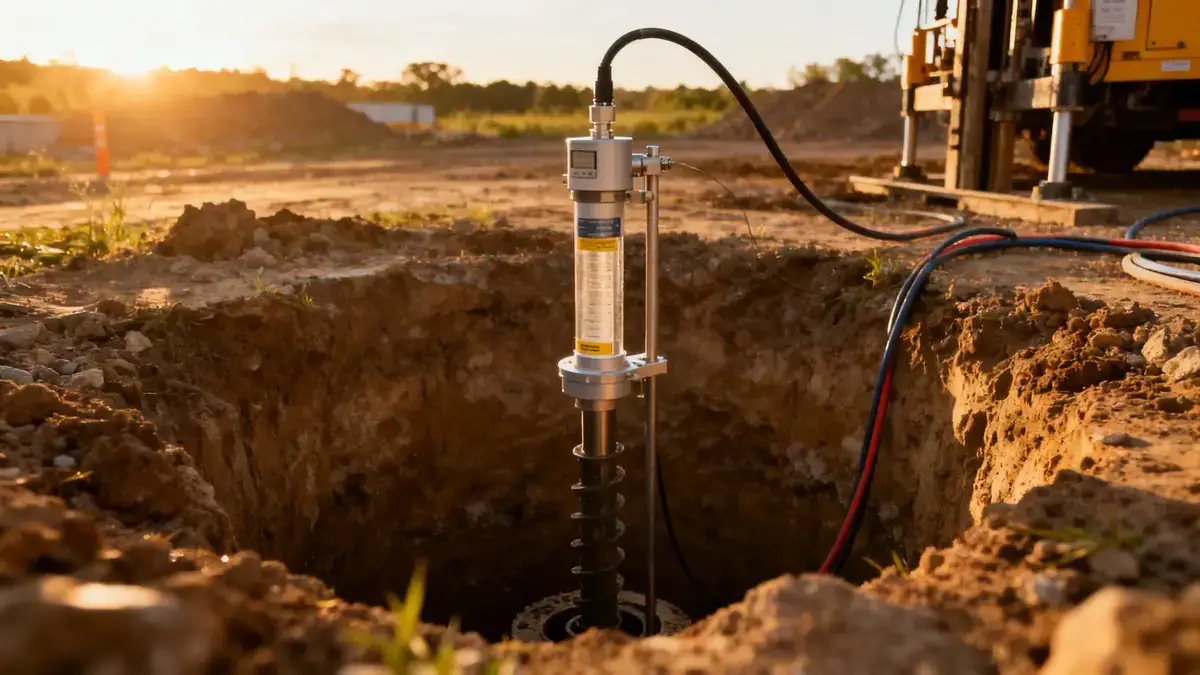
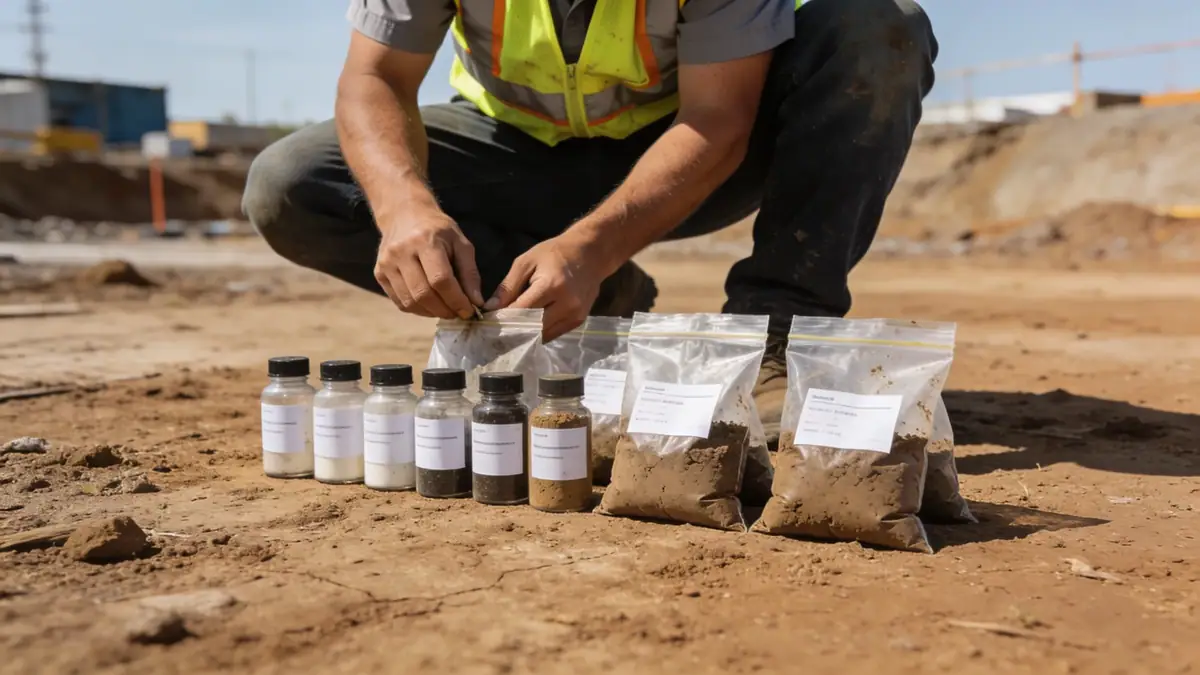
Our geotechnical investigations in Missoula follow a systematic approach tailored to the local subsurface conditions. We begin with a comprehensive review of existing geological data and site history, followed by field exploration using spt boring in accordance with ASTM D1586 to obtain soil samples and measure N-values. Laboratory testing classifies soil properties, including grain size distribution and Atterberg limits, to assess behavior under load. Our methodology integrates these results into site-specific recommendations for foundation systems and earthwork, ensuring compliance with applicable codes.
Reference Technical Parameters
| Parameter | Reference Value |
|---|---|
| Predominant soil type | Interbedded silts, clays, and sands (glaciolacustrine and alluvial) |
| Maximum seismic acceleration (PGA) | 0.3g (ASCE 7 Seismic Design Category D) |
| Typical groundwater level | 5–15 ft below ground surface |
| Bedrock depth | Variable, 50–200 ft (Belt Supergroup metasediments) |
| Typical N60 range (SPT) | 4–30 blows/ft (soft to medium dense) |
Local Considerations — Missoula
Missoula's complex glacial history results in highly variable soil profiles, requiring thorough subsurface characterization. The presence of soft lacustrine clays in the valley floor poses settlement risks for heavy structures, while alluvial sands near the Clark Fork River may liquefy during seismic events. Our firm addresses these challenges through detailed site investigations and advanced laboratory testing, including soil mechanics laboratory analyses. For projects in Missoula, we often recommend deep foundations or ground improvement in areas with low N60 values. Our proximity to the geotechnical engineering en Seattle hub allows us to leverage regional expertise for local solutions.
Request a Quote
Our team reviews your project and issues an initial report at no cost.
Or write us directly at [email protected]
Services in Missoula
Applicable Standards
- ASTM D1586 (Standard Test Method for Standard Penetration Test)
- ASCE 7 (Minimum Design Loads for Buildings and Other Structures)
- IBC 2021 (International Building Code)
- Missoula City and County Building Codes
Frequently Asked Questions
What soil types are commonly found in Missoula?
Missoula soils are primarily glaciolacustrine silts and clays from glacial Lake Missoula, along with alluvial sands and gravels near rivers. These layers vary in thickness and density, often requiring site-specific testing to determine bearing capacity.
How does seismic activity affect geotechnical design in Missoula?
Missoula is in Seismic Design Category D per ASCE 7, with a PGA of 0.3g. Soft soils can amplify ground motions and liquefaction potential in saturated sands. Geotechnical reports must address site class, liquefaction susceptibility, and lateral spreading risks.
Are geotechnical studies mandatory for construction in Missoula?
Yes, for most commercial and multi-family residential projects, Missoula County requires a geotechnical report to ensure compliance with IBC and local codes. Single-family homes on stable sites may be exempt, but a study is recommended to avoid future issues.