Methodology
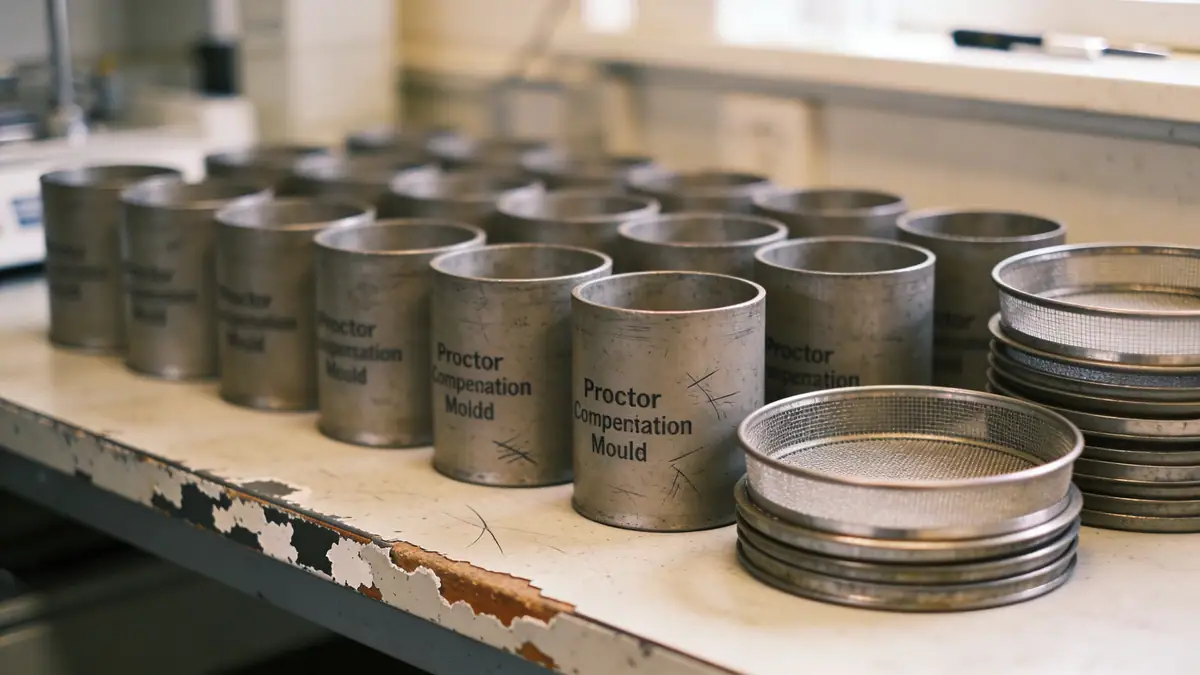
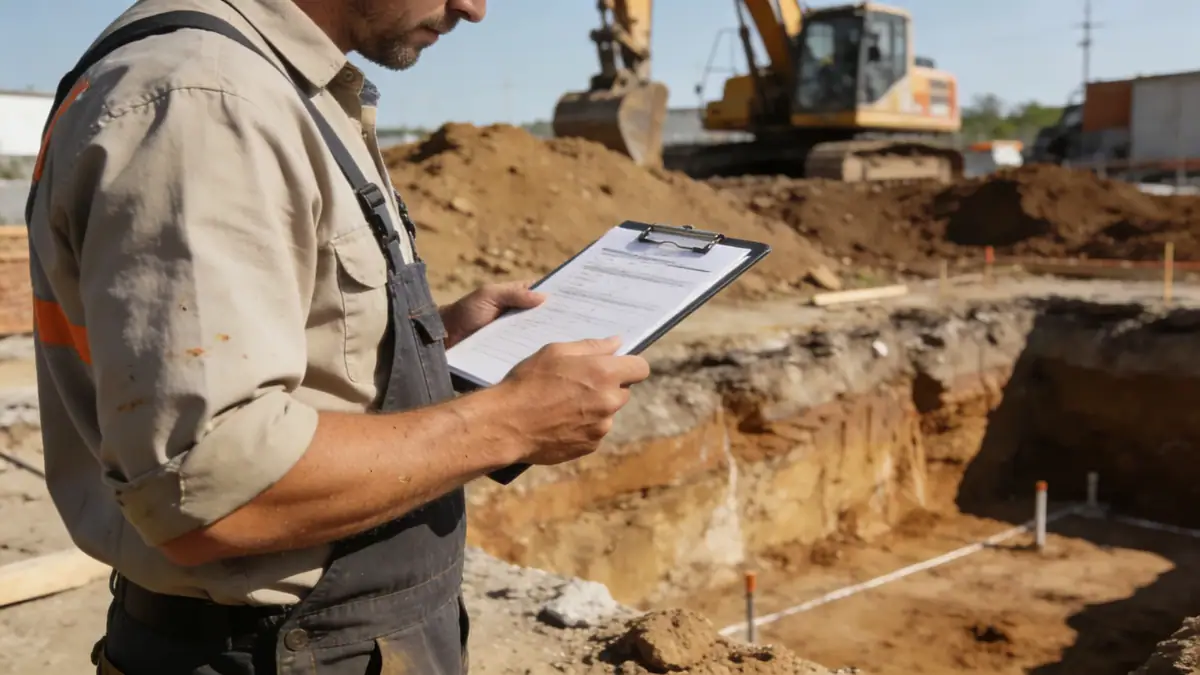
Our approach to geotechnical engineering in Boise Idaho begins with a thorough review of existing geologic maps and site history. We then conduct field investigations using methods such as spt boring to recover disturbed and undisturbed soil samples at regular intervals. Laboratory testing follows, including grain size analysis, Atterberg limits, and compaction tests, all performed under ASTM standards. For seismic evaluations, we assess site class per ASCE 7 and perform shear wave velocity measurements when needed. Our methodology integrates local geology—typically Quaternary alluvium overlying basalt—to produce accurate bearing capacity and settlement predictions. Each project receives a customized testing plan aligned with Boise's building code requirements.
Reference Technical Parameters
| Parameter | Reference Value |
|---|---|
| Predominant soil type | Silty sand and gravel (SM-GP) |
| Maximum seismic acceleration (PGA) | 0.3g (ASCE 7-16) |
| Typical groundwater level | 10–20 ft below grade |
| Bedrock depth | 50–100 ft (Columbia River Basalt) |
| Typical N60 range | 10–30 blows/ft |
Local Considerations — Boise Idaho
Boise Idaho's geology is dominated by Quaternary alluvium and fluvial deposits from the Boise River, underlain by the Columbia River Basalt Group. The water table varies seasonally, typically 10–20 ft deep, requiring dewatering considerations for deep excavations. Seismic hazard is moderate, with a PGA of 0.3g per ASCE 7-16, necessitating site-specific response analyses for critical structures. Neighborhoods near the Boise Front may encounter colluvial soils and steeper slopes, while areas in the valley have deeper alluvial profiles. Common challenges include expansive clays in localized pockets and liquefaction potential in saturated sandy layers. For broader regional context, our geotechnical engineering en Seattle practices address similar alluvial and seismic conditions.
Request a Quote
Our team reviews your project and issues an initial report at no cost.
Or write us directly at [email protected]
Services in Boise Idaho
Applicable Standards
- ASTM D1586 (Standard Penetration Test)
- ASCE 7-16 (Minimum Design Loads for Buildings)
- IBC 2021 (International Building Code)
- Boise City Code – Chapter 7 (Geotechnical Reports)
Frequently Asked Questions
What soil types are common in Boise Idaho for geotechnical engineering?
Boise's soils are primarily silty sands and gravels from Quaternary alluvium, with localized clay lenses. The underlying Columbia River Basalt provides competent bedrock at depth, typically 50–100 ft below grade.
Is seismic analysis required for buildings in Boise Idaho?
Yes, per ASCE 7-16 and IBC 2021, seismic design is mandatory. Boise falls in Seismic Design Category C, requiring site-specific response spectra for structures with importance factors or unusual configurations.
Are geotechnical studies mandatory for residential projects in Boise?
For single-family homes on conventional lots, geotechnical reports are not always required, but they are strongly recommended for hillside sites, expansive soils, or areas with high groundwater. Local ordinances may require them for subdivisions.