Methodology
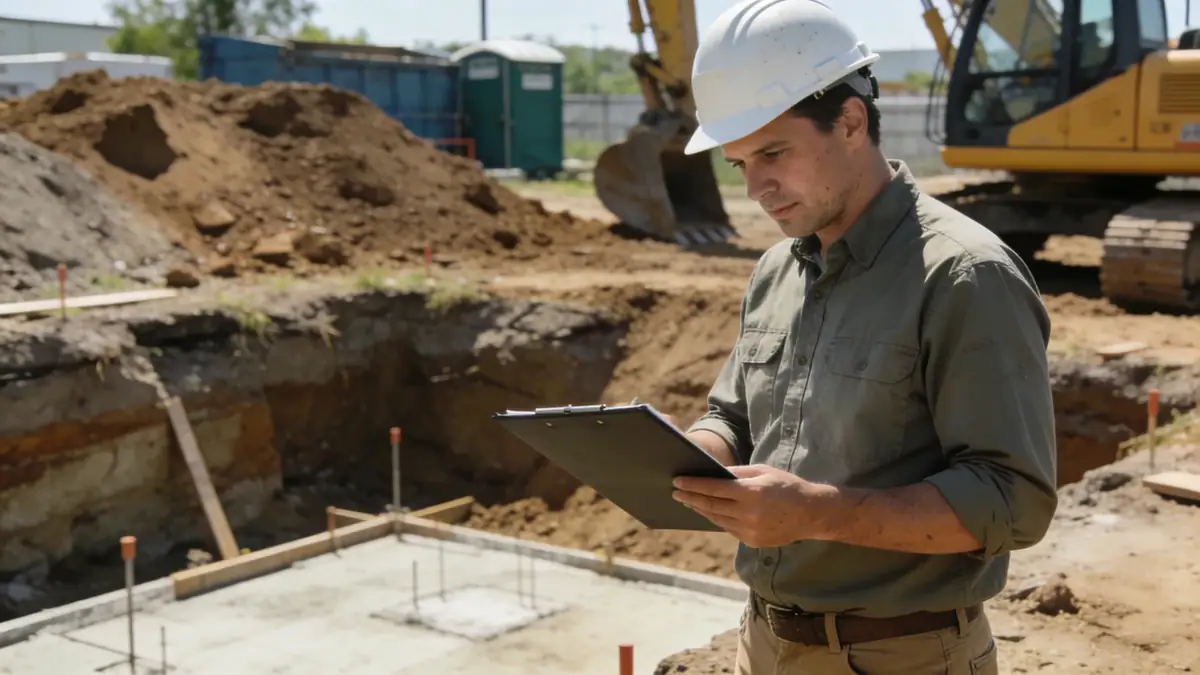
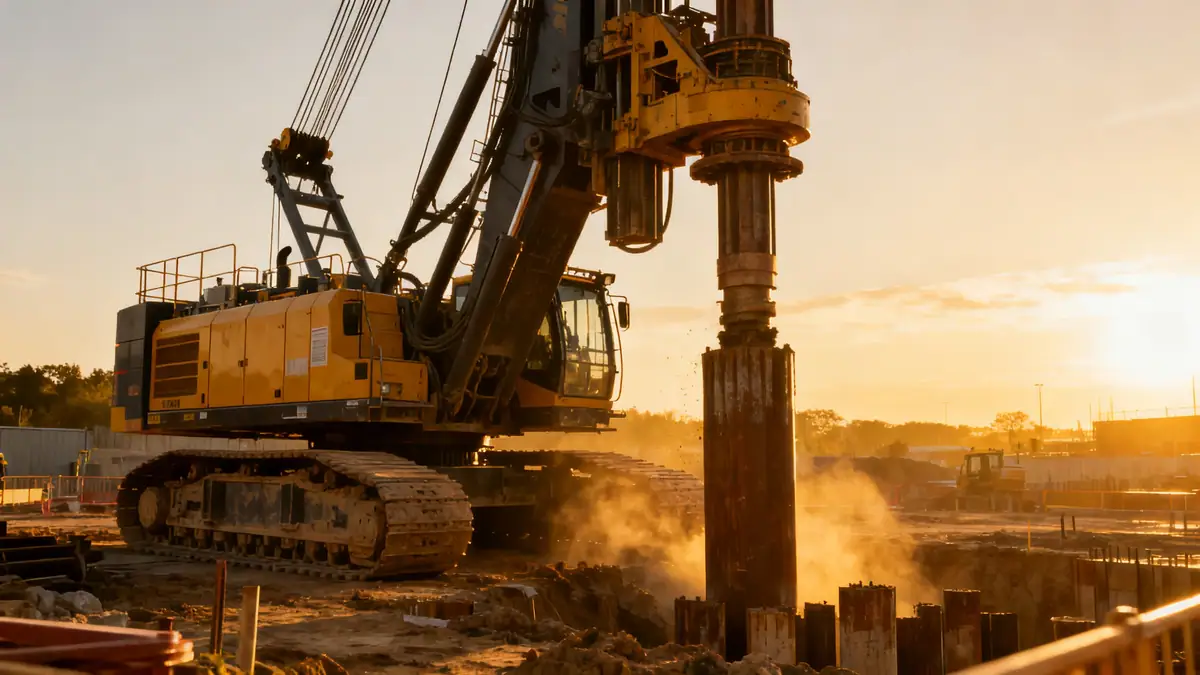
Our methodology in Anchorage integrates advanced field and laboratory techniques to characterize subsurface conditions. We employ spt boring to recover disturbed samples and measure N60 values, following ASTM D1586 standards. This data is complemented by continuous soil sampling and laboratory testing, including grain size analysis and Atterberg limits, to classify soils per the Unified Soil Classification System. Our approach emphasizes understanding the spatial variability of glacial deposits, alluvial fans, and potential permafrost zones. By correlating borehole logs with geophysical surveys, we develop robust geotechnical models that inform foundation design, slope stability, and seismic hazard mitigation. This systematic process ensures reliable recommendations for Anchorage's diverse terrain.
Reference Technical Parameters
| Parameter | Reference Value |
|---|---|
| Predominant soil type | Glacial till, alluvial sands, and silty clays; permafrost in northern areas |
| Maximum seismic acceleration (PGA) | 0.4g to 0.6g (ASCE 7-16, Site Class D-E) |
| Typical groundwater level | 2 to 8 meters below grade, seasonally variable |
| Bedrock depth | 15 to 60 meters (Chugach metamorphic complex) |
| Typical N60 range | 10 to 40 blows/0.3m (glacial till); 5 to 15 (alluvial deposits) |
Local Considerations — Anchorage
Anchorage's geology is dominated by glacial and fluvial deposits over the Chugach Mountains bedrock. Permafrost is present in northern districts like Eagle River, requiring thermal analysis and insulation. The 1964 earthquake highlighted widespread liquefaction in the Bootlegger Cove Formation, a sensitive clay. Our team integrates historical data with current slope stability assessments to mitigate landslide risks in hillside areas. We also coordinate with local agencies to address frost heave and seismic settlement. For clients seeking a broader perspective, our geotechnical engineering in Seattle hub provides additional context on Pacific Northwest practices.
Request a Quote
Our team reviews your project and issues an initial report at no cost.
Or write us directly at [email protected]
Services in Anchorage
Applicable Standards
- ASTM D1586 (Standard Test Method for Penetration Test and Split-Barrel Sampling)
- ASCE 7-22 (Minimum Design Loads for Buildings and Other Structures)
- International Building Code (IBC) 2021
- Anchorage Municipal Code Title 23 (Building and Construction)
Frequently Asked Questions
What are the typical soil conditions in Anchorage?
Soils vary from glacial till and alluvial sands to sensitive clays like Bootlegger Cove Formation. Permafrost exists in northern areas. Our firm classifies soils per USCS and evaluates properties like density, strength, and frost susceptibility for safe foundation design.
How does seismic hazard affect geotechnical design in Anchorage?
Anchorage lies in a high seismic zone with PGA up to 0.6g. Design must consider liquefaction, lateral spreading, and slope instability. We follow ASCE 7 and local codes to determine site class and perform site-specific response analyses.
Are geotechnical studies mandatory for construction in Anchorage?
Yes, the Anchorage Municipal Code requires a geotechnical report for most new buildings and major renovations, especially in high-risk areas like hillsides or near water bodies. This ensures compliance with IBC and local amendments.