Methodology
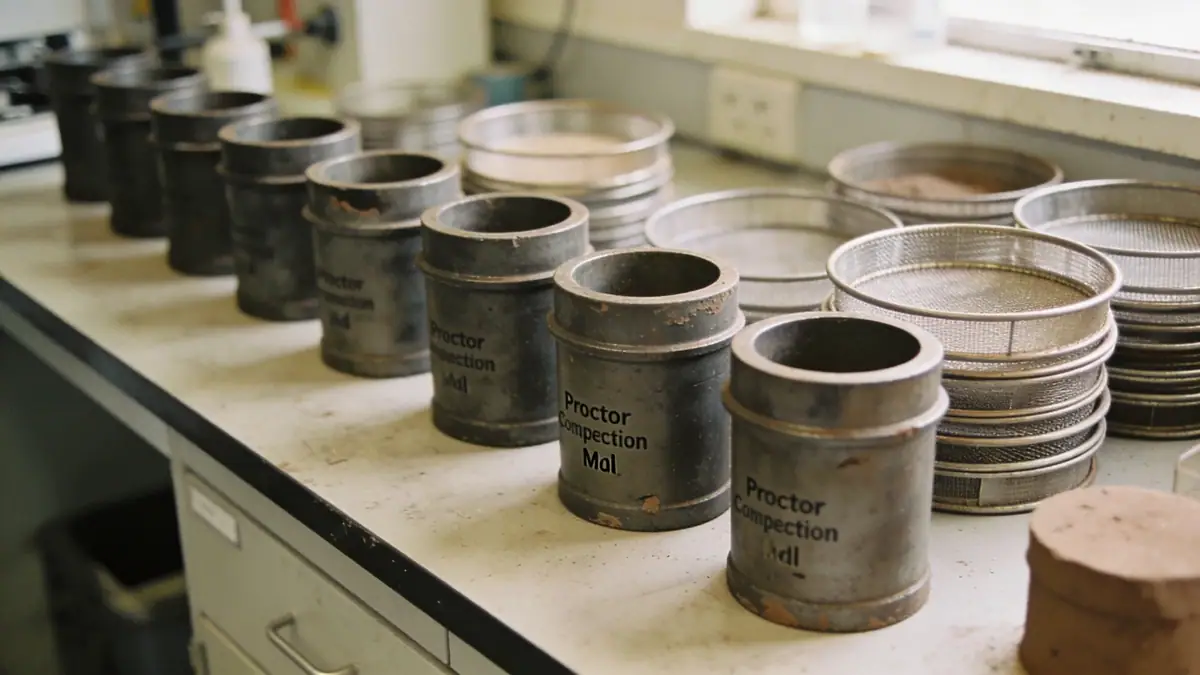
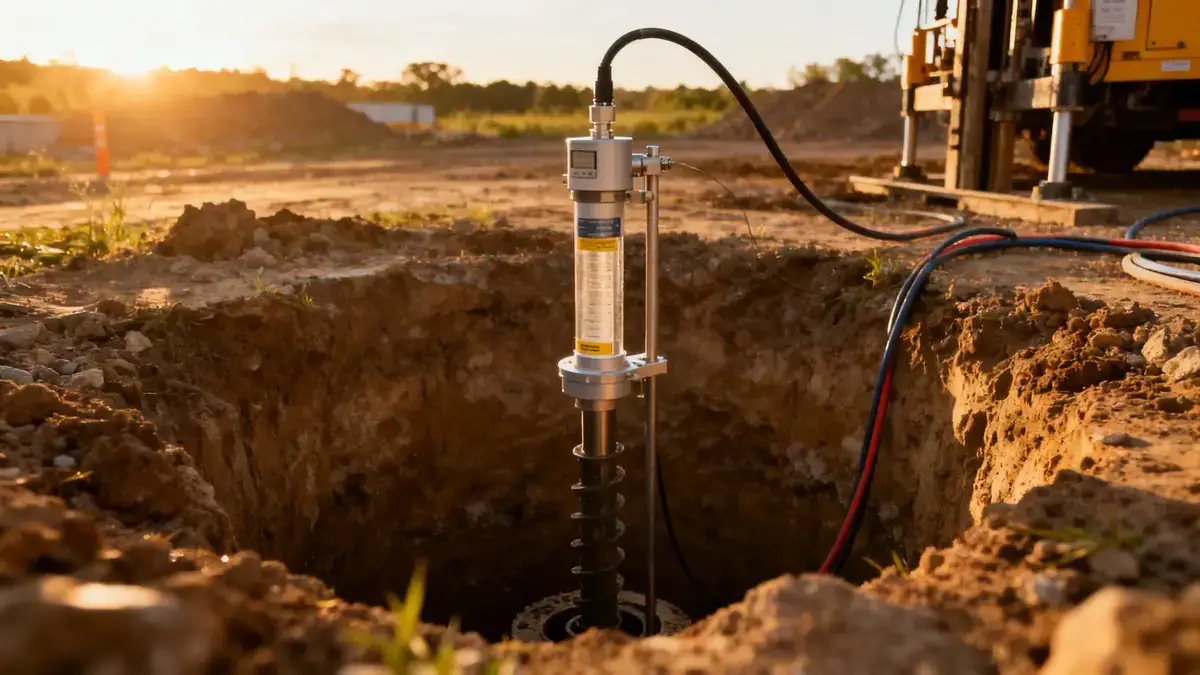
Our methodology for geotechnical engineering in Eugene Oregon begins with a comprehensive desk study of regional geology and seismic history, followed by field investigations including spt boring to ASTM D1586 standards. We integrate cone penetration testing and geophysical surveys to map soil variability across the floodplain and hillside zones. In the laboratory, we classify soils using ASTM D2487 and measure shear strength through direct shear and triaxial tests. Our approach emphasizes probabilistic seismic hazard analysis per ASCE 7-22, with site-specific response spectra for critical projects. All data is synthesized into clear, actionable reports that support foundation design and earthwork construction in Eugene Oregon.
Reference Technical Parameters
| Parameter | Reference Value |
|---|---|
| Predominant soil type | Silty clay and sandy gravel, with alluvial deposits in the Willamette River floodplain |
| Maximum seismic acceleration (PGA) | 0.4g for 2% probability in 50 years per ASCE 7-22 |
| Typical groundwater level | 3–10 ft below grade, higher near rivers and during winter |
| Bedrock depth | 50–150 ft; shallow in the Coburg Hills, deep in the valley |
| Typical N60 range (SPT) | 4–15 in clay; 10–40 in sand and gravel |
Local Considerations — Eugene Oregon
Eugene Oregon sits on Quaternary alluvium and Tertiary sedimentary rock, with soils ranging from high-plasticity clay in the floodplain to dense gravels on the valley edges. The groundwater table is shallow in many areas, requiring dewatering and drainage considerations. Seismic design is critical due to the Cascadia subduction zone, with PGA up to 0.4g. Neighborhood contrasts include the South Hills (rock near surface) versus the West Eugene wetlands (soft soils). Typical projects experience settlement issues in clay and liquefaction risk in saturated sands. For slope stability analysis, refer to our slope stability services. Our hub office is based in geotechnical engineering en Seattle, serving the Pacific Northwest.
Request a Quote
Our team reviews your project and issues an initial report at no cost.
Or write us directly at [email protected]
Services in Eugene Oregon
Applicable Standards
- ASTM D1586 (Standard Penetration Test)
- ASCE 7-22 (Minimum Design Loads and Associated Criteria for Buildings)
- IBC 2021 (International Building Code)
- OSSC (Oregon Structural Specialty Code)
- ASTM D2487 (Classification of Soils for Engineering Purposes)
Frequently Asked Questions
What are the most common soil types encountered in Eugene Oregon?
The soils in Eugene Oregon consist primarily of silty clays and sandy gravels. Alluvial deposits dominate the floodplain, while the hillsides feature weathered sedimentary rock. Expansive clays are common in some areas, requiring special foundation design.
How does the seismic hazard in Eugene Oregon affect geotechnical design?
Eugene Oregon lies in a high seismic zone due to the Cascadia subduction zone. Peak ground acceleration can reach 0.4g, necessitating site-specific response analyses. Liquefaction potential in saturated sands and cyclic softening in clays are key considerations.
Are geotechnical studies mandatory for construction in Eugene Oregon?
Yes, the Oregon Structural Specialty Code requires geotechnical investigations for most new buildings, especially those in Seismic Design Categories D, E, or F. Local jurisdictions may also mandate reports for retaining walls, slope stability, and foundation design.