Methodology
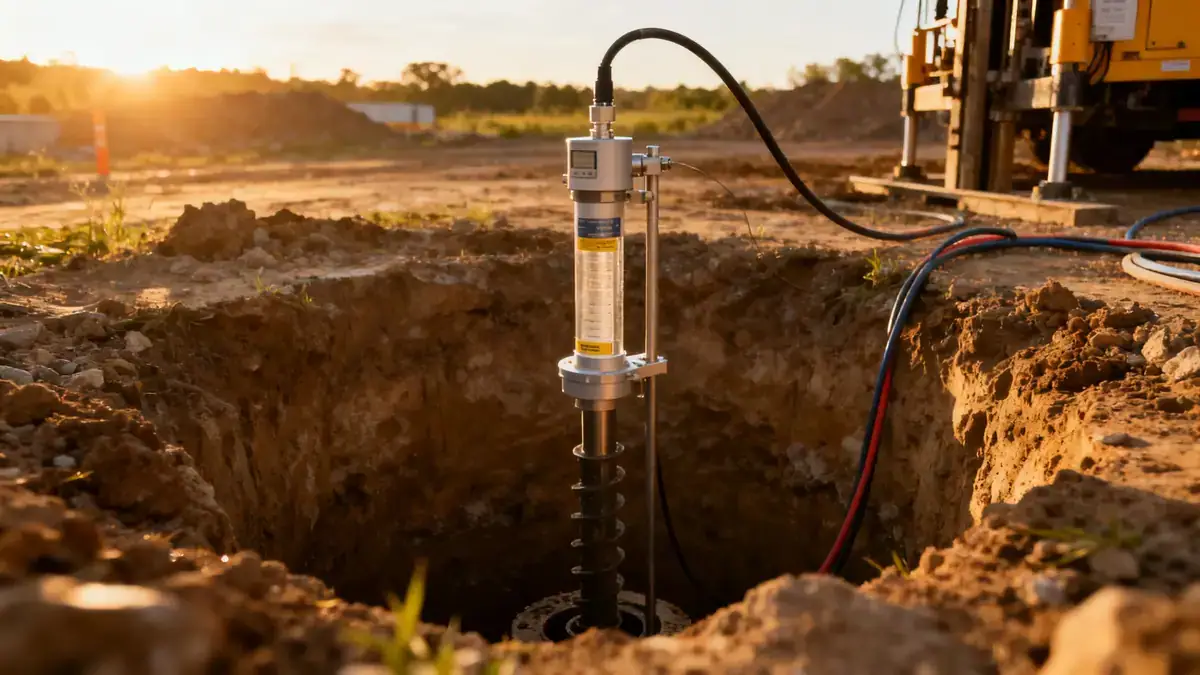
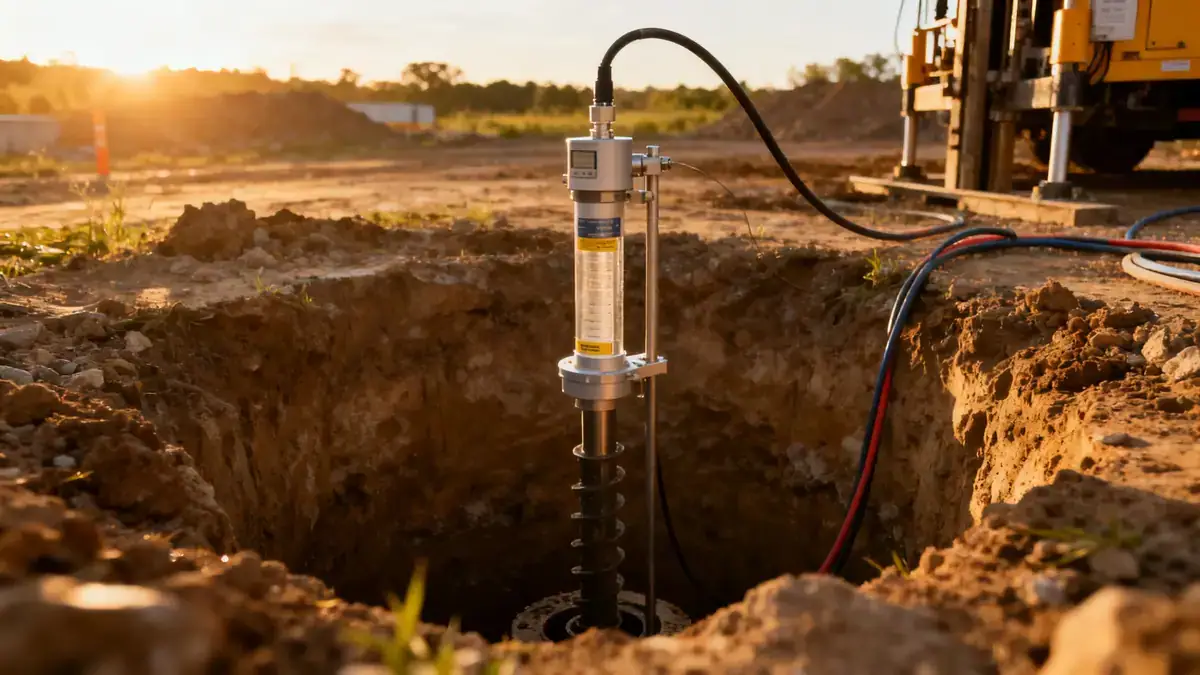
Our methodology for geotechnical engineering in Fort Lauderdale begins with a comprehensive site reconnaissance and review of existing geological maps. We then perform spt boring at strategic locations following ASTM D1586, with sampling intervals of 1.0 to 1.5 meters to capture subsurface variability. In the laboratory, we classify soils using USCS and conduct index property tests. Seismic hazard analyses consider ASCE 7 site classes, and groundwater monitoring wells are installed to track seasonal fluctuations. This systematic approach supports foundation design, slope stability assessments, and earthwork specifications tailored to Fort Lauderdale's unique subsurface conditions.
Reference Technical Parameters
| Parameter | Reference Value |
|---|---|
| Predominant soil type | Fine sand (SP-SM) with shell fragments |
| Maximum seismic acceleration (PGA) | 0.15g (ASCE 7 Site Class D) |
| Typical groundwater level | 1.5 to 3.0 meters below ground surface |
| Bedrock depth | 30 to 45 meters (limestone) |
| Typical N60 range (0–10 m) | 5 to 15 blows per 0.3 m |
Local Considerations — Fort Lauderdale
Fort Lauderdale's geology consists of Holocene sands overlying the Biscayne aquifer, with groundwater typically within 1.5 to 3.0 meters. Seismic design per ASCE 7 requires Site Class D due to loose sands, with a PGA of 0.15g. The contrast between downtown coastal sands and western marly soils influences foundation strategies. Waterfront projects often require dewatering and scour protection. Our team coordinates with local regulatory agencies to address these challenges, and we collaborate with our geotechnical engineering en Miami office to leverage regional expertise.
Request a Quote
Our team reviews your project and issues an initial report at no cost.
Or write us directly at [email protected]
Services in Fort Lauderdale
Applicable Standards
- ASTM D1586 (Standard Penetration Test)
- ASCE 7 (Minimum Design Loads for Buildings)
- IBC 2021 (International Building Code)
- Florida Building Code (FBC) 2020
- ASTM D2487 (Classification of Soils for Engineering Purposes)
Frequently Asked Questions
What are the typical soil conditions for geotechnical engineering in Fort Lauderdale?
Fort Lauderdale soils are predominantly fine sands (SP-SM) with shell fragments, underlain by limestone bedrock at depths of 30–45 meters. The high groundwater table, often 1.5 to 3.0 meters deep, requires careful dewatering and foundation design to mitigate liquefaction risks.
Does Fort Lauderdale require seismic design for geotechnical projects?
Yes, per ASCE 7 and the Florida Building Code, Fort Lauderdale is in Seismic Design Category B with a PGA of 0.15g. Geotechnical reports must address site class, liquefaction potential, and lateral earth pressures for seismic loading.
Are geotechnical studies mandatory for construction in Fort Lauderdale?
The Florida Building Code mandates geotechnical investigations for most commercial and multi-story residential projects. Local jurisdictions may require additional studies for waterfront developments or sites with known soil variability to ensure public safety and structural integrity.