Methodology
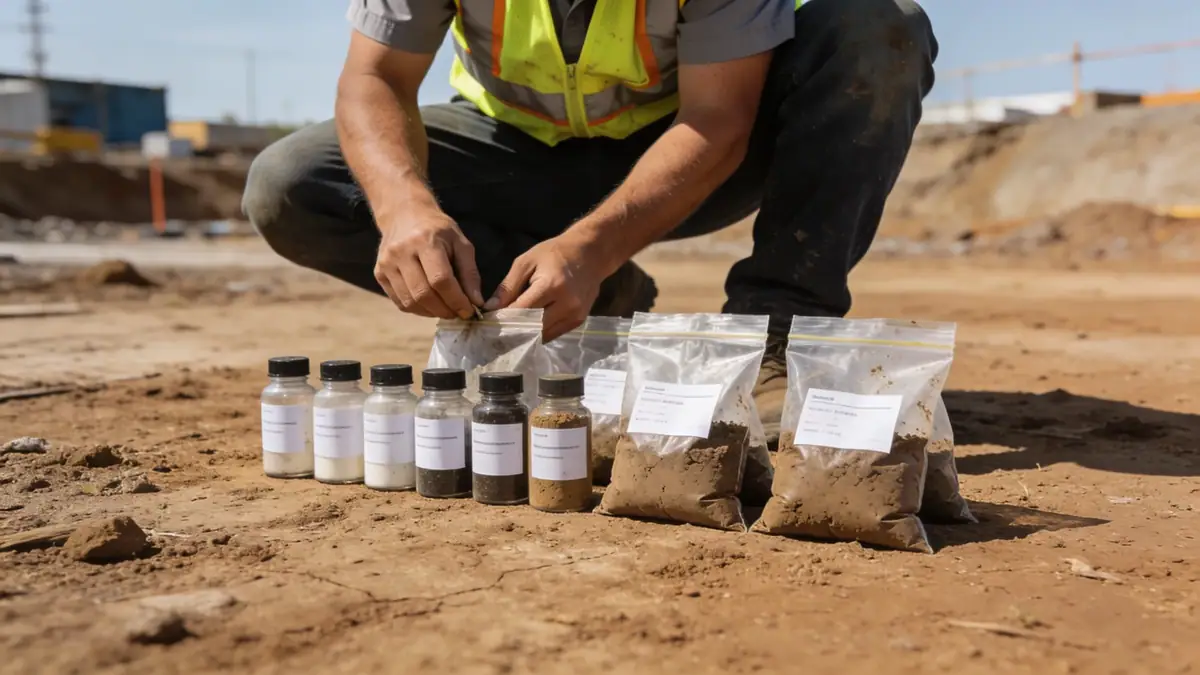
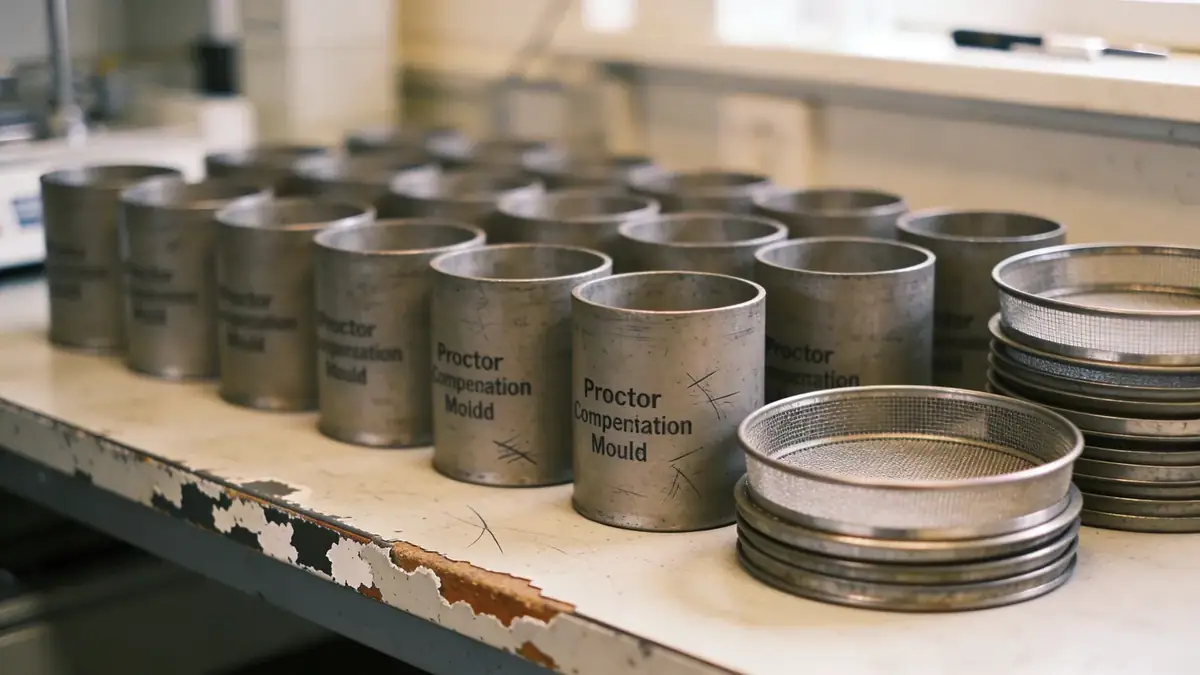
Our methodology for geotechnical engineering in Cape Coral begins with a comprehensive review of existing geological maps and nearby project records. We then execute a targeted field exploration program, typically employing a combination of standard penetration testing (SPT) and soil sampling to capture the variable sand and shell layers. Our team follows ASTM D1586 for SPT procedures, ensuring consistent energy delivery and reliable N-values. Samples are transported to our soil mechanics laboratory for classification, moisture content, and strength testing. For cohesive zones, we perform Atterberg limits and unconfined compression tests. Groundwater levels are monitored during drilling and with standpipes. All data is synthesized into a geotechnical report that includes foundation recommendations, settlement estimates, and liquefaction potential assessments, adhering to the latest Florida Building Code and ASCE 7 standards.
Reference Technical Parameters
| Parameter | Reference Value |
|---|---|
| Predominant Soil Type | Fine to medium sand with shell fragments (SM, SP) |
| Maximum Seismic Acceleration (PGA) | 0.05 g (ASCE 7-16, Site Class D) |
| Typical Groundwater Level | 1.5 to 3.0 m below ground surface |
| Bedrock Depth | 30 to 50 m (limestone formation) |
| Typical N60 Range (SPT) | 5 to 20 blows/0.3m in upper sands |
Local Considerations — Cape Coral
Cape Coral's geotechnical landscape is defined by its low elevation, shallow water table, and sandy marine sediments. The city is located within a seismically quiet zone, but liquefaction potential in loose, saturated sands requires careful evaluation, especially near the Caloosahatchee River. Soils typically consist of quartz sand with varying shell content, underlain by the Tamiami Formation limestone. Development patterns show contrast between older neighborhoods with undocumented fill and newer communities with engineered compaction. Common challenges include differential settlement on variable fill, high groundwater affecting excavations, and corrosion potential from saline intrusion. Our team integrates these factors into every study, referencing local building department requirements. For projects requiring broader regional context, we coordinate with our geotechnical engineering en Miami office to leverage cross-market expertise.
Request a Quote
Our team reviews your project and issues an initial report at no cost.
Or write us directly at [email protected]
Services in Cape Coral
Applicable Standards
- ASTM D1586 (Standard Penetration Test)
- ASCE 7-16 (Minimum Design Loads and Associated Criteria for Buildings)
- Florida Building Code (7th Edition, 2023)
- ASTM D2487 (Unified Soil Classification System)
- ASTM D4318 (Atterberg Limits)
Frequently Asked Questions
What soil types are commonly found in Cape Coral?
Cape Coral's soils are predominantly fine to medium quartz sands with shell fragments, classified as SM or SP. These sands are underlain by limestone bedrock at depths of 30–50 m. The shallow water table often results in saturated conditions, which influence foundation design and construction methods.
Is seismic design required for buildings in Cape Coral?
Yes, but the seismic hazard is low. The Florida Building Code adopts ASCE 7-16, which assigns Cape Coral a maximum considered earthquake spectral response acceleration (S_S) of approximately 0.05 g. However, liquefaction assessment is still required for sites with loose, saturated sands to mitigate potential settlement.
Are geotechnical studies mandatory for construction in Cape Coral?
For most commercial and multi-family projects, a geotechnical investigation is required by the Florida Building Code to determine foundation design parameters. Single-family homes often require a soils report if the site has known fill, high water table, or if a foundation system other than conventional slab-on-grade is proposed.