Methodology
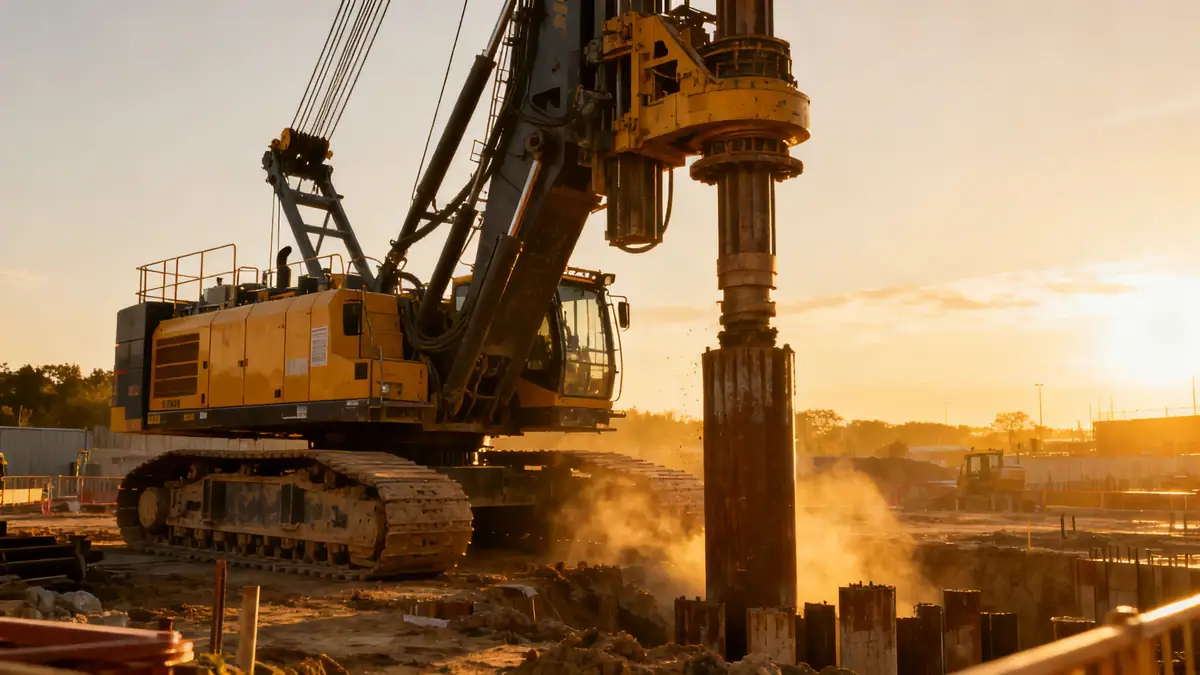
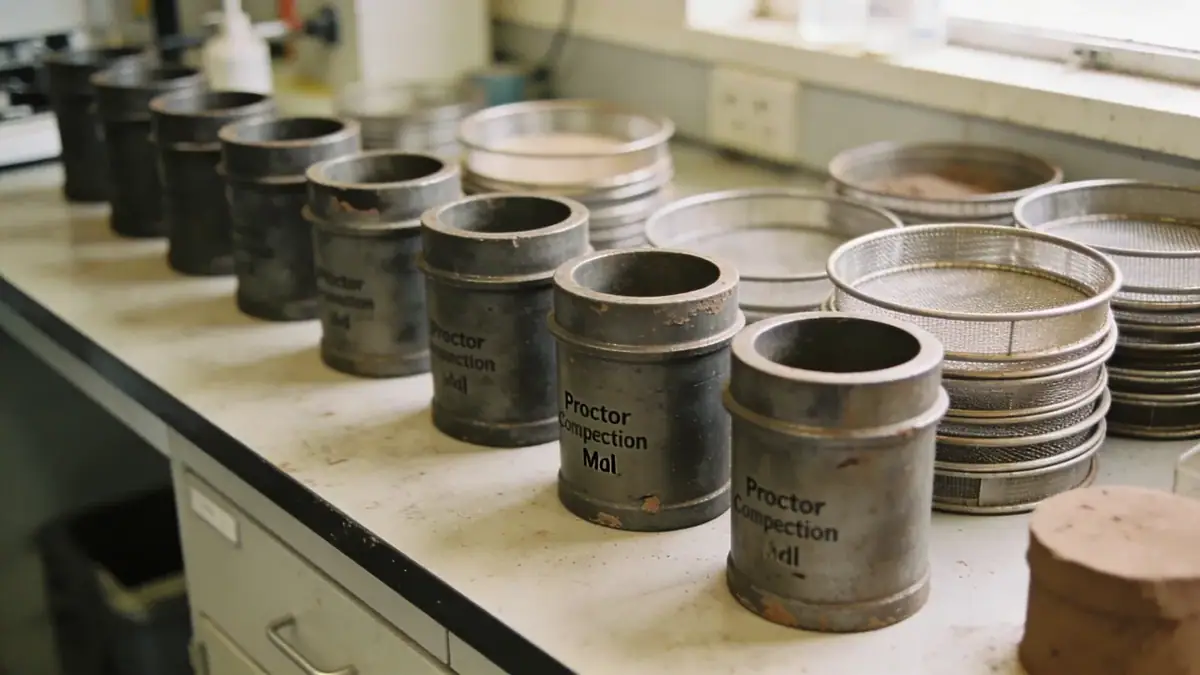
Our methodology for geotechnical engineering in Orlando begins with a thorough review of site history and existing geotechnical data. We then conduct subsurface investigations, including spt boring at intervals of 1.0–1.5 m per ASTM D1586, to characterize soil strata and collect undisturbed samples. Laboratory testing on retrieved samples follows ASTM standards for classification (D2487), strength (D3080), and consolidation (D2435). Groundwater levels are monitored during drilling and with piezometers. All data is integrated into a geotechnical model that informs foundation recommendations, slope stability analyses, and construction considerations. This systematic approach ensures reliable, defensible results for projects across Orlando.
Reference Technical Parameters
| Parameter | Reference Value |
|---|---|
| Predominant soil type | Silty sand (SM) and poorly graded sand (SP) with limestone layers |
| Maximum seismic acceleration (PGA) | 0.15–0.25 g (ASCE 7-22, Site Class C–D) |
| Typical groundwater level | 2–6 ft below ground surface |
| Bedrock depth | 10–60 ft (limestone of the Floridan aquifer) |
| Typical N60 range | 5–20 blows/ft in sands; 20–50+ in limestone |
Local Considerations — Orlando
Orlando's geology is dominated by sandy soils overlying limestone bedrock of the Floridan aquifer, with groundwater typically shallow (2–6 ft). Seismic hazard is moderate (PGA 0.15–0.25 g per ASCE 7-22), requiring careful site classification. Downtown areas often have fill and former lakebeds, while suburban developments encounter variable sand and clay layers. Common challenges include settlement of loose sands, liquefaction potential in saturated zones, and karst features in limestone. Our soil mechanics laboratory provides site-specific testing to address these conditions. For regional context, our team also serves geotechnical engineering in Miami, where similar shallow groundwater and limestone conditions prevail.
Request a Quote
Our team reviews your project and issues an initial report at no cost.
Or write us directly at [email protected]
Services in Orlando
Applicable Standards
- ASTM D1586 (Standard Test Method for SPT)
- ASTM D2487 (Unified Soil Classification System)
- ASCE 7-22 (Minimum Design Loads and Associated Criteria for Buildings)
- Florida Building Code (FBC) 2023
- ASTM D3080 (Direct Shear Test)
Frequently Asked Questions
What are the typical soil conditions for geotechnical engineering in Orlando?
Orlando's subsurface consists of silty sands and poorly graded sands underlain by limestone bedrock. Groundwater is shallow, often within 2 to 6 feet of the surface. These conditions require careful evaluation of bearing capacity, settlement, and liquefaction potential.
Is seismic design required for geotechnical engineering in Orlando?
Yes, per ASCE 7-22 and the Florida Building Code, Orlando lies in a moderate seismic zone with a PGA of 0.15–0.25 g. Site-specific seismic response analysis is required for certain structures, especially those on soft soils or near karst features.
Are geotechnical studies mandatory for construction in Orlando?
For most commercial and multi-family projects, the Florida Building Code requires a geotechnical investigation. Single-family homes typically require a soil report for foundation design, especially in areas with variable soil conditions or high groundwater.