Methodology
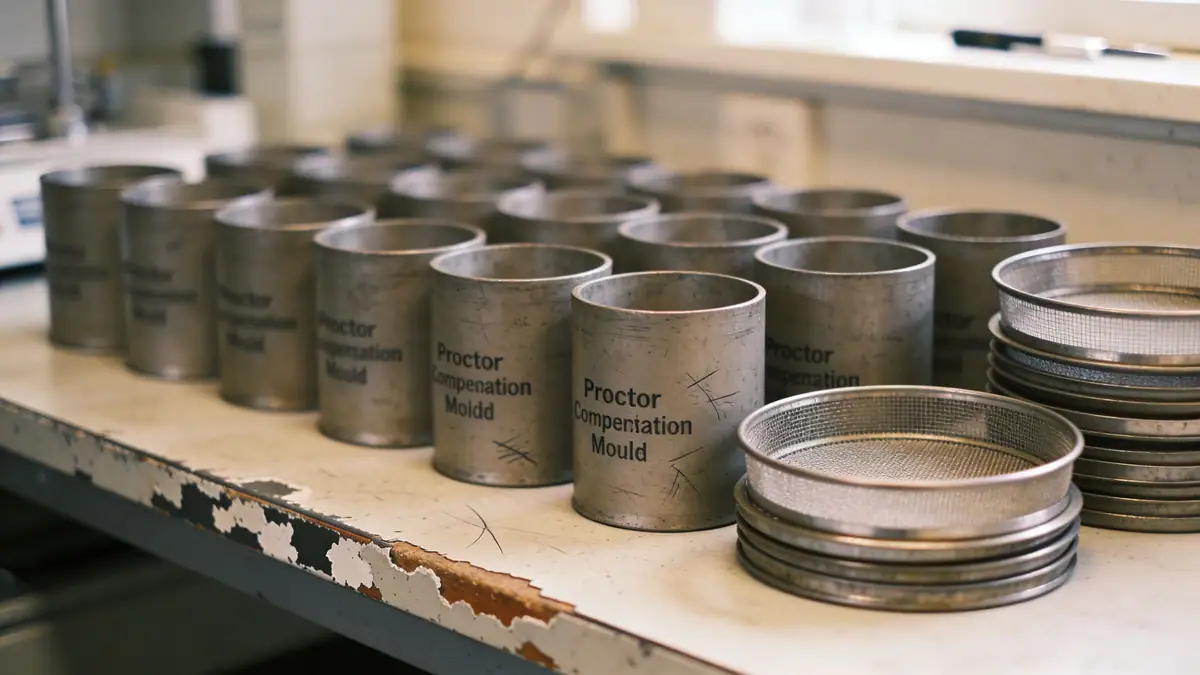
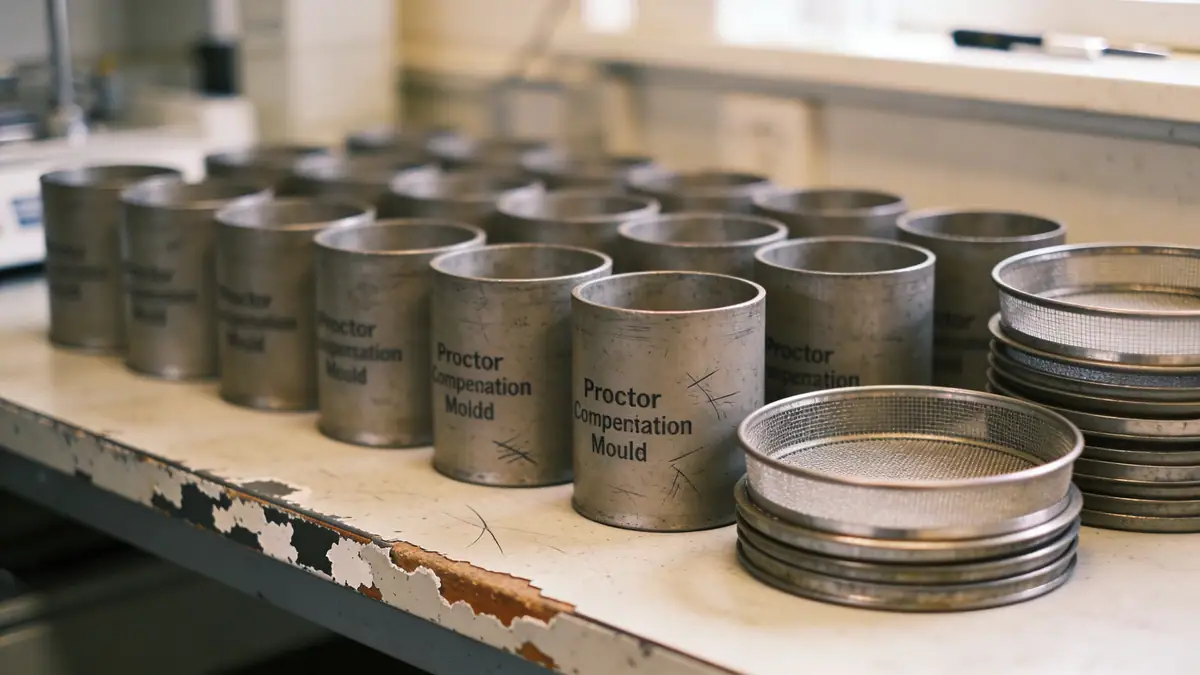
Our methodology for geotechnical engineering in Cheyenne begins with a thorough review of existing geological maps and historical data. We then conduct field investigations, including standard penetration testing (SPT) at intervals of 1.0 to 1.5 meters per ASTM D1586, to assess soil strength and stratigraphy. Samples are analyzed in our soil mechanics laboratory for index properties, compaction, and shear strength. This integrated approach ensures accurate characterization of subsurface conditions, enabling us to provide reliable foundation recommendations and slope stability assessments for projects throughout Cheyenne.
Reference Technical Parameters
| Parameter | Reference Value |
|---|---|
| Predominant soil type | Silty clay and sand (alluvial) |
| Maximum seismic acceleration (PGA) | 0.30 g (MCE, Site Class D) |
| Typical groundwater level | 2–5 m below ground surface |
| Bedrock depth | 10–30 m (Cretaceous shale) |
| Typical N60 range (SPT) | 5–25 blows/ft |
Local Considerations — Cheyenne
Cheyenne's geology features Quaternary alluvial deposits overlying Cretaceous bedrock, with variable clay and sand layers. Shallow groundwater is common near the South Platte River corridor, requiring dewatering considerations. The region falls under Seismic Design Category C per ASCE 7-16, with a maximum considered earthquake (MCE) spectral response acceleration of 0.3g. Northern areas exhibit collapsible soils, while southern zones may have expansive clays. Typical projects include residential subdivisions and commercial strip malls, where differential settlement is a concern. For broader regional context, our geotechnical engineering services from Denver support Cheyenne projects with additional resources.
Request a Quote
Our team reviews your project and issues an initial report at no cost.
Or write us directly at [email protected]
Services in Cheyenne
Applicable Standards
- ASTM D1586 (Standard Penetration Test)
- ASCE 7-16 (Minimum Design Loads for Buildings)
- IBC 2021 (International Building Code)
- Wyoming State Building Code
Frequently Asked Questions
What soil types are commonly found in Cheyenne?
Cheyenne soils are predominantly alluvial silty clays and sands, with occasional gravel lenses. Expansive clays and collapsible soils are present in certain areas, necessitating careful geotechnical evaluation for foundation design.
Is seismic design required in Cheyenne?
Yes, Cheyenne is in Seismic Design Category C per ASCE 7-16. Peak ground acceleration for the maximum considered earthquake is 0.30g. Geotechnical engineering must address liquefaction potential and site classification for compliance.
Are geotechnical studies mandatory for construction in Cheyenne?
Local building codes typically require a geotechnical report for new structures and major renovations, especially for commercial and multi-family projects. The report must include soil borings, laboratory tests, and foundation recommendations.