
Methodology
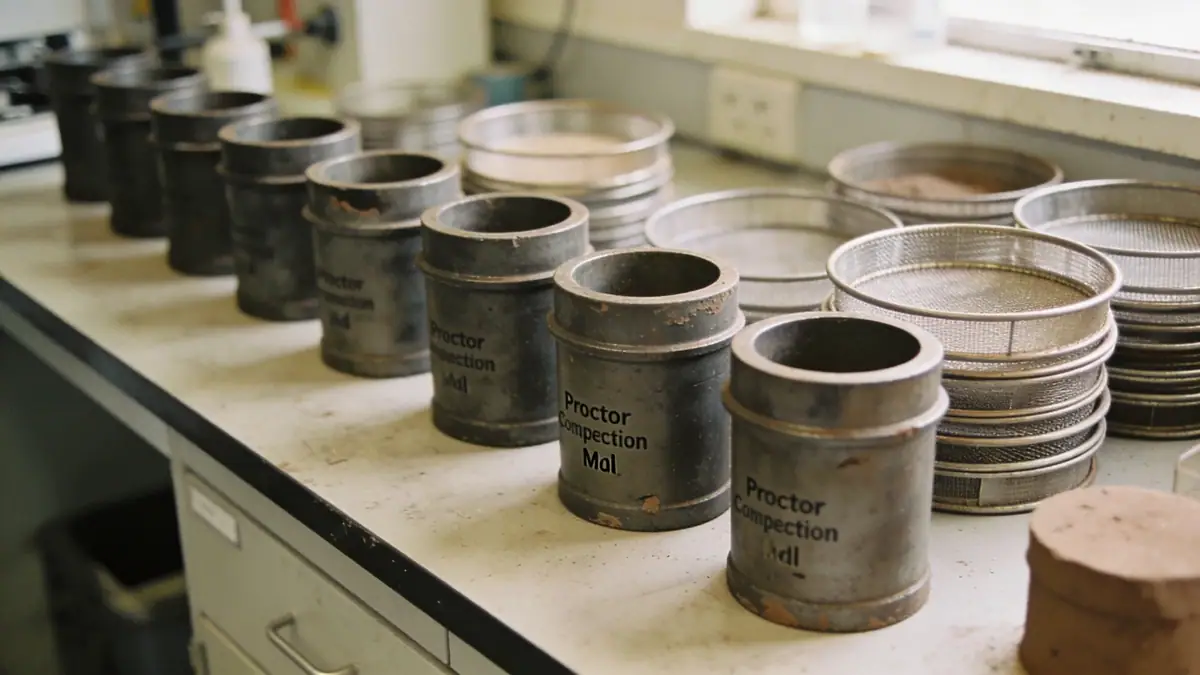
Our approach to geotechnical engineering in Wichita begins with a comprehensive site reconnaissance and review of existing geological data. We employ standard penetration testing (SPT) per ASTM D1586 to characterize subsurface stratigraphy and obtain soil samples for laboratory analysis. Cone penetration testing (CPT) is utilized where continuous profiling is required. Field and laboratory data are integrated into detailed geotechnical reports that address bearing capacity, settlement, liquefaction potential, and foundation recommendations. For more on our field methods, see spt boring.
Reference Technical Parameters
| Parameter | Reference Value |
|---|---|
| Predominant soil type | Alluvial silts, clays, and sands over shale bedrock |
| Maximum seismic acceleration (PGA) | 0.15–0.20 g (IBC 2021, Site Class D) |
| Typical groundwater level | 10–25 ft below ground surface |
| Bedrock depth | 50–150 ft (shale) |
| Typical N60 range | 4–30 blows/ft (variable with depth) |
Local Considerations — Wichita
Wichita’s subsurface conditions are dominated by Quaternary alluvial deposits from the Arkansas River, with interbedded silts, clays, and sands overlying Permian shale bedrock. Groundwater is typically encountered at depths of 10–25 ft, requiring dewatering considerations for deep excavations. The region is in Seismic Design Category C (IBC 2021), with peak ground accelerations up to 0.20 g, necessitating liquefaction assessments in loose saturated sands. Older neighborhoods near the river may have fill soils, while newer developments on the outskirts encounter stiffer residual soils. Typical projects include commercial buildings, residential subdivisions, and transportation infrastructure. Our team applies site-specific solutions, leveraging our soil mechanics laboratory for accurate engineering properties.
Request a Quote
Our team reviews your project and issues an initial report at no cost.
Or write us directly at [email protected]
Services in Wichita
Applicable Standards
- ASTM D1586 (Standard Penetration Test)
- IBC 2021 (International Building Code, Kansas amendments)
- ASCE 7-22 (Minimum Design Loads for Buildings and Other Structures)
- ASTM D2487 (Unified Soil Classification System)
- Kansas Department of Transportation (KDOT) Specifications
Frequently Asked Questions
What types of soil are commonly found in Wichita, Kansas?
Wichita predominantly features alluvial soils such as silts, clays, and sands deposited by the Arkansas River. These soils are underlain by shale bedrock at depths of 50–150 ft. The variability in soil types requires careful geotechnical investigation for foundation design.
Does Wichita have seismic design requirements?
Yes, Wichita falls under Seismic Design Category C per the IBC 2021, with a peak ground acceleration of up to 0.20 g. Engineers must evaluate liquefaction potential in loose, saturated sands and design foundations to resist seismic loads as per ASCE 7.
Are geotechnical studies mandatory for construction in Wichita?
While not always legally required for all projects, most local building codes and lending institutions recommend or mandate geotechnical investigations for new construction, especially for commercial buildings and multi-story structures, to ensure adequate foundation performance and safety.