
Methodology
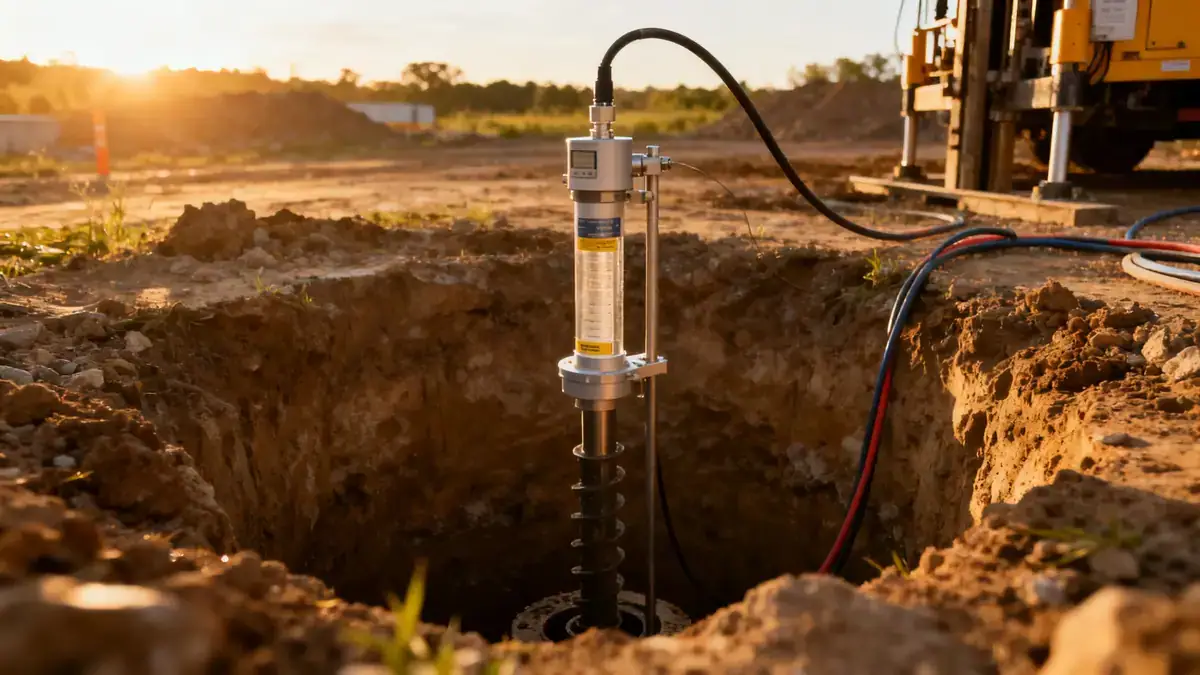
Our approach to geotechnical engineering in Colorado Springs integrates field exploration, laboratory testing, and analytical modeling. We perform spt boring at depths of 8 to 15 meters to characterize subsurface stratigraphy, using ASTM D1586 methods for standard penetration resistance. Laboratory tests classify soil types, measure shear strength, and assess consolidation behavior. For slope stability assessments, we apply limit equilibrium methods using site-specific strength parameters. Seismic site classification follows ASCE 7 criteria, incorporating peak ground acceleration values for the region. This methodology ensures robust foundation design and earthwork recommendations.
Reference Technical Parameters
| Parameter | Reference Value |
|---|---|
| Predominant Soil Type | Clayey sand and gravel (SM, SC), with interbedded silt and clay |
| Maximum Seismic Acceleration (PGA) | 0.20g to 0.30g (ASCE 7-16, Site Class D) |
| Typical Groundwater Level | 6 to 15 meters below ground surface, variable |
| Bedrock Depth | 15 to 30 meters (Pierre Shale and Dawson Arkose) |
| Typical N60 Range (SPT) | 10 to 40 blows/ft, depending on depth and soil type |
Local Considerations — Colorado Springs
Colorado Springs sits on alluvial fans, terrace deposits, and residual soils overlying sedimentary bedrock. The region's semi-arid climate creates variable moisture conditions, leading to shrink-swell potential in clay-rich layers. Seismic hazard is moderate, with design accelerations per ASCE 7 requiring site-specific response analysis for critical structures. Expansive soils in areas like Briargate and northeast Colorado Springs necessitate specialized foundation design. Cases of slope failure along the foothills demand careful slope stability evaluation. Our firm integrates these local factors into every investigation, referencing the Colorado Springs Building Code and regional geotechnical guidance.
Request a Quote
Our team reviews your project and issues an initial report at no cost.
Or write us directly at [email protected]
Services in Colorado Springs
Applicable Standards
- ASTM D1586 (Standard Penetration Test)
- ASCE 7-16 (Minimum Design Loads and Associated Criteria for Buildings)
- IBC 2021 (International Building Code, adopted locally)
- Colorado Springs Building Code (Chapter 18, Soils and Foundations)
- ASTM D2487 (Classification of Soils for Engineering Purposes)
Frequently Asked Questions
What are the typical soil conditions in Colorado Springs?
Soils in Colorado Springs are predominantly clayey sands and gravels, with interbedded silts and clays. Expansive clays are common in certain areas, requiring careful evaluation. Bedrock depth varies from shallow along the foothills to deeper in the eastern plains.
Is a geotechnical study mandatory for construction in Colorado Springs?
Yes, the Colorado Springs Building Code requires a geotechnical investigation for most new construction, especially for structures with expansive soils or seismic design categories C, D, E, or F. This ensures foundation safety and compliance with local regulations.
How does seismic activity affect geotechnical design in Colorado Springs?
Colorado Springs is in a region of moderate seismicity. ASCE 7-16 maps indicate peak ground accelerations of 0.20g to 0.30g. Site-specific seismic response analysis is recommended for critical structures to address soil amplification and liquefaction potential.