
Methodology
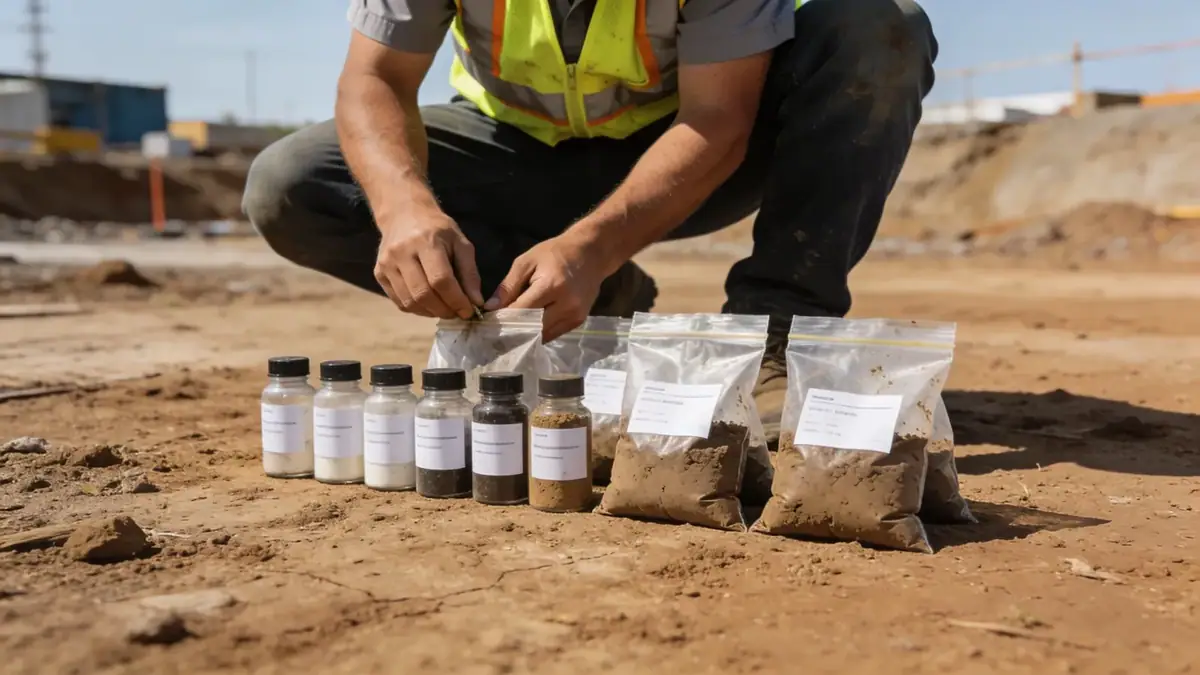
Our approach to geotechnical engineering in Salt Lake City begins with a thorough review of existing geological maps and seismic hazard data. We then conduct field investigations using spt boring to sample soil and measure resistance, typically employing ASTM D1586 procedures. In the laboratory, we perform index tests, strength tests, and consolidation tests to characterize behavior. Our team integrates these results with site-specific seismic design parameters per ASCE 7 to develop recommendations that address liquefaction potential, settlement, and lateral earth pressures.
Reference Technical Parameters
| Parameter | Reference Value |
|---|---|
| Predominant soil type | Lacustrine clay, silt, and sand with gravel layers |
| Maximum seismic acceleration (PGA) | 0.40–0.60 g (Site Class C/D) |
| Typical groundwater level | 3–15 ft below ground surface |
| Bedrock depth | 50–200 ft (Wasatch Front) |
| Typical N60 range | 5–30 (blows/ft) in valley soils |
Local Considerations — Salt Lake City
Salt Lake City’s geology is dominated by lacustrine and alluvial deposits from ancient Lake Bonneville, resulting in stratified clays, silts, and sands with variable density and moisture content. The Wasatch Fault poses a significant seismic hazard, requiring site-specific earthquake analysis per ASCE 7. Groundwater levels fluctuate seasonally and can impact excavation stability and foundation design. Neighborhoods near the lake bed (e.g., west side) often encounter soft compressible clays, while east bench areas have stiffer gravelly soils. Our team has supported numerous projects addressing these contrasts, from high-rise foundations to residential slabs. For broader regional context, see our geotechnical engineering en Denver hub.
Request a Quote
Our team reviews your project and issues an initial report at no cost.
Or write us directly at [email protected]
Services in Salt Lake City
Applicable Standards
- ASTM D1586 (Standard Penetration Test)
- ASCE 7 (Minimum Design Loads for Buildings and Other Structures)
- ICC International Building Code (IBC)
- Utah Seismic Safety Commission Guidelines
Frequently Asked Questions
What soil conditions are typical for geotechnical engineering in Salt Lake City?
Soils in the valley are predominantly lacustrine clays, silts, and loose sands with occasional gravel layers. These materials can be compressible and prone to liquefaction during seismic events. The east benches feature stiffer gravelly soils. Proper characterization via SPT and laboratory testing is essential.
How does the Wasatch Fault affect geotechnical engineering in Salt Lake City?
The Wasatch Fault is a major active normal fault capable of M7+ earthquakes. Geotechnical studies must evaluate peak ground acceleration (PGA) per ASCE 7, assess liquefaction potential, and design foundations to resist fault displacement and shaking. Site-specific seismic analysis is mandatory for most structures.
Are geotechnical studies mandatory for construction in Salt Lake City?
Yes, the City of Salt Lake and many surrounding jurisdictions require geotechnical investigations for new buildings, additions, and significant remodels. The scope depends on building size, occupancy, and proximity to fault zones. Typical studies include borings, laboratory testing, and a report with foundation recommendations.