Methodology
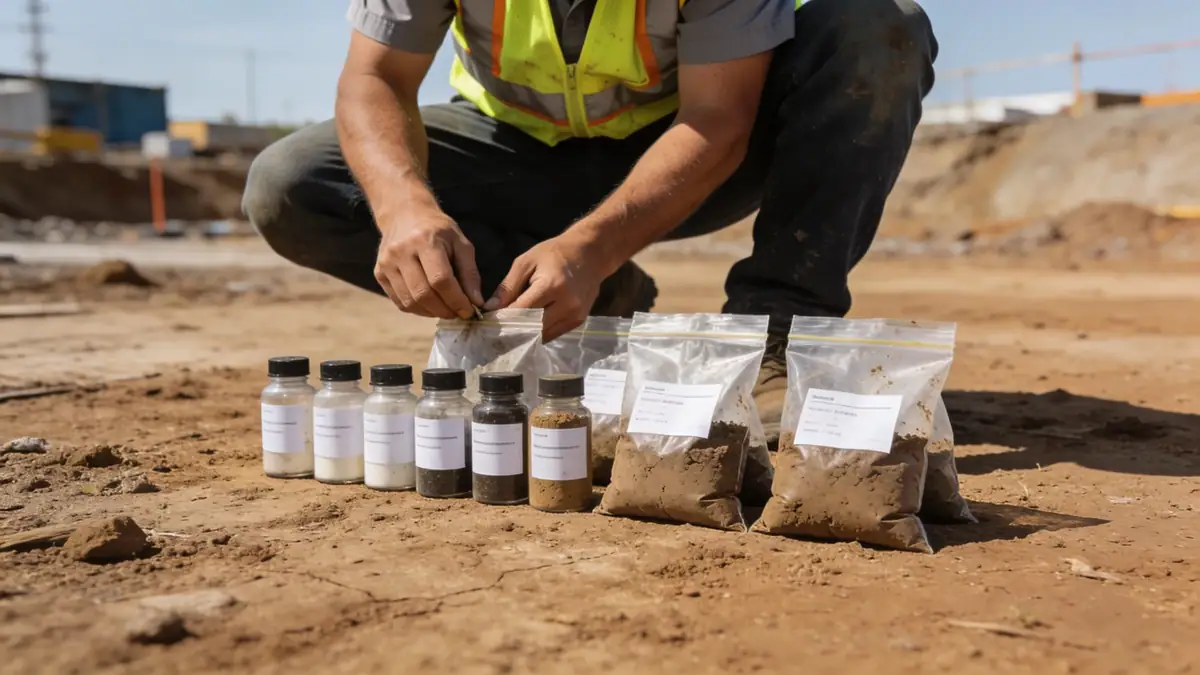
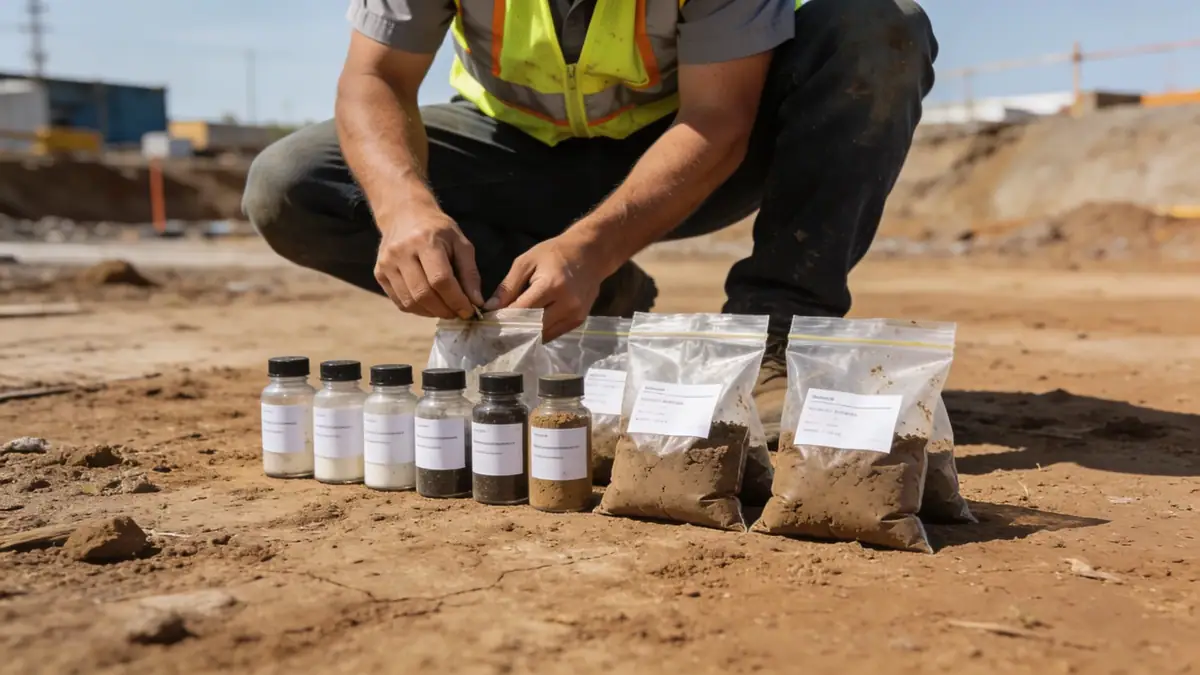
Our firm employs a systematic approach to geotechnical engineering in Albuquerque, beginning with a review of existing geologic maps and borehole data. For new projects, we typically conduct spt boring at intervals of 1.0 to 1.5 meters to obtain disturbed and undisturbed samples, following ASTM D1586 standards. In-situ testing is complemented by laboratory classification and strength testing. This phased methodology ensures that foundation recommendations are grounded in site-specific data, addressing the high variability of alluvial deposits across the city.
Reference Technical Parameters
| Parameter | Reference Value |
|---|---|
| Predominant soil type | Alluvial sands, gravels, silts, and clays (Rio Grande Rift deposits) |
| Typical groundwater depth | 10–30 m below ground surface (variable near Rio Grande) |
| Maximum seismic acceleration (PGA) | 0.2–0.3 g (ASCE 7-16, Site Class D) |
| Bedrock depth | >150 m (deep sedimentary basin) |
| Typical SPT N60 range (shallow) | 10–30 blows/0.3 m (medium dense sands) |
Local Considerations — Albuquerque
Albuquerque lies within the Rio Grande Rift, a seismically active extensional zone. Site-specific seismic hazard analysis is critical, as the region is classified as Seismic Design Category D per ASCE 7. Groundwater levels fluctuate significantly with irrigation and river stage, affecting excavations and foundation bearing capacity. Expansive clay layers are common in the East Mesa area, requiring special attention for slab-on-grade foundations. Our team integrates these local factors with advanced analytical methods to provide reliable recommendations. For broader regional context, see our work at geotechnical engineering en Denver.
Request a Quote
Our team reviews your project and issues an initial report at no cost.
Or write us directly at [email protected]
Services in Albuquerque
Applicable Standards
- ASTM D1586 (Standard Test Method for SPT)
- ASCE 7-16 (Minimum Design Loads for Buildings, including seismic)
- IBC 2021 (International Building Code, adopted by New Mexico)
- ASTM D2487 (Unified Soil Classification System)
Frequently Asked Questions
What are the typical soil conditions for geotechnical engineering in Albuquerque?
Soils in Albuquerque consist mainly of alluvial sands, gravels, silts, and clays deposited by the Rio Grande. These deposits are generally deep, with bedrock often hundreds of meters below the surface. Variable compaction and occasional expansive clays require careful site-specific testing.
Does Albuquerque have specific seismic design requirements?
Yes, Albuquerque is in Seismic Design Category D per ASCE 7-16 due to its location within the Rio Grande Rift. Geotechnical reports must include site-specific acceleration parameters and liquefaction potential assessments for critical projects.
Is a geotechnical investigation mandatory for construction in Albuquerque?
While not always legally required for all structures, the City of Albuquerque and most local jurisdictions mandate geotechnical reports for commercial buildings and subdivisions. Even for residential projects, a geotechnical evaluation is strongly recommended to mitigate risks from variable soil conditions.