
Methodology
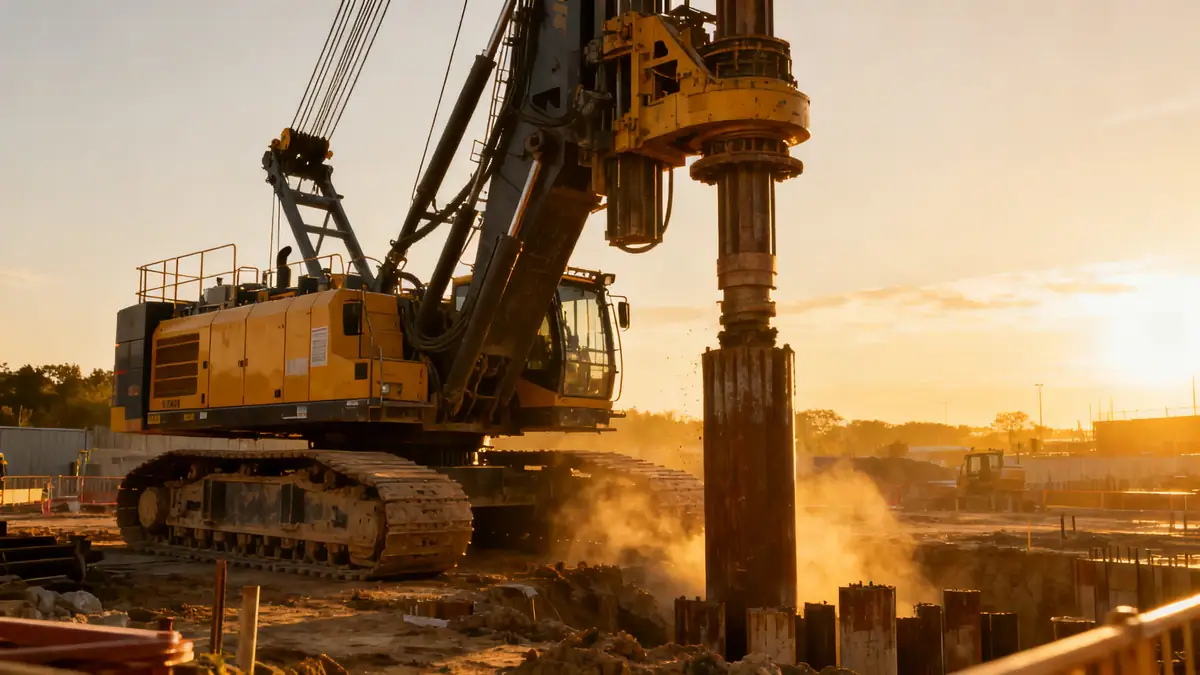
Our methodology in West Valley City begins with a thorough review of existing geologic maps and seismic hazard data. We then deploy spt boring to characterize soil stratigraphy and collect disturbed samples for laboratory testing. Our field program typically includes borings to depths of 15 to 30 meters, with standard penetration tests (SPT) performed at 1.5-meter intervals per ASTM D1586. Groundwater levels are monitored during drilling and through dedicated piezometers. Laboratory testing encompasses index properties, strength, and consolidation parameters, which are integrated into site-specific seismic site classification and foundation design recommendations.
Reference Technical Parameters
| Parameter | Reference Value |
|---|---|
| Predominant soil type | Alluvial sands, silts, and clays with occasional gravel layers |
| Maximum seismic acceleration (PGA) | 0.40g to 0.55g (Site Class D, per ASCE 7-16) |
| Typical groundwater level | 3 to 6 meters below grade |
| Bedrock depth | Over 30 meters (deep alluvial basin) |
| Typical N60 range | 10 to 30 blows per foot (sands), 5 to 15 (clays) |
Local Considerations — West Valley City
West Valley City's geologic setting is dominated by Quaternary alluvial fan deposits from the Oquirrh Mountains and Lake Bonneville sediments. These soils exhibit variable density and compressibility, often requiring deep foundations or ground improvement for heavier structures. The Wasatch Fault zone, located approximately 10 kilometers east, imposes a peak ground acceleration of up to 0.55g for the Maximum Considered Earthquake (MCE). Liquefaction potential is moderate to high in areas with shallow groundwater and loose sands. Our local experience includes designing mat foundations for commercial buildings and driven piles for industrial facilities, always referencing soil mechanics laboratory results to calibrate parameters. For projects requiring regional context, we coordinate with our geotechnical engineering services from Denver.
Request a Quote
Our team reviews your project and issues an initial report at no cost.
Or write us directly at [email protected]
Services in West Valley City
Applicable Standards
- 2021 International Building Code (IBC)
- ASCE 7-16 Minimum Design Loads and Associated Criteria for Buildings
- ASTM D1586 Standard Test Method for Standard Penetration Test (SPT)
- ASTM D2487 Classification of Soils for Engineering Purposes
Frequently Asked Questions
What are the typical soil conditions in West Valley City?
West Valley City sits on deep alluvial deposits from the ancient Lake Bonneville and modern stream fans. Soils consist of interbedded sands, silts, and clays with occasional gravel lenses. Groundwater is typically encountered between 3 and 6 meters. The region is classified as Seismic Site Class D under ASCE 7.
How does the Wasatch Fault affect geotechnical design in West Valley City?
The Wasatch Fault is a major normal fault capable of M7.0+ earthquakes. For West Valley City, ASCE 7-16 requires a site-specific ground motion analysis, often yielding PGA values of 0.40g to 0.55g. This influences foundation design, liquefaction assessment, and lateral earth pressures.
Are geotechnical investigations mandatory for construction in West Valley City?
While the 2021 IBC does not explicitly mandate geotechnical reports for all structures, most local jurisdictions require them for seismic design and foundation approval. For commercial buildings and multi-family residences, a site-specific study is standard practice to ensure compliance with the building code.