Methodology
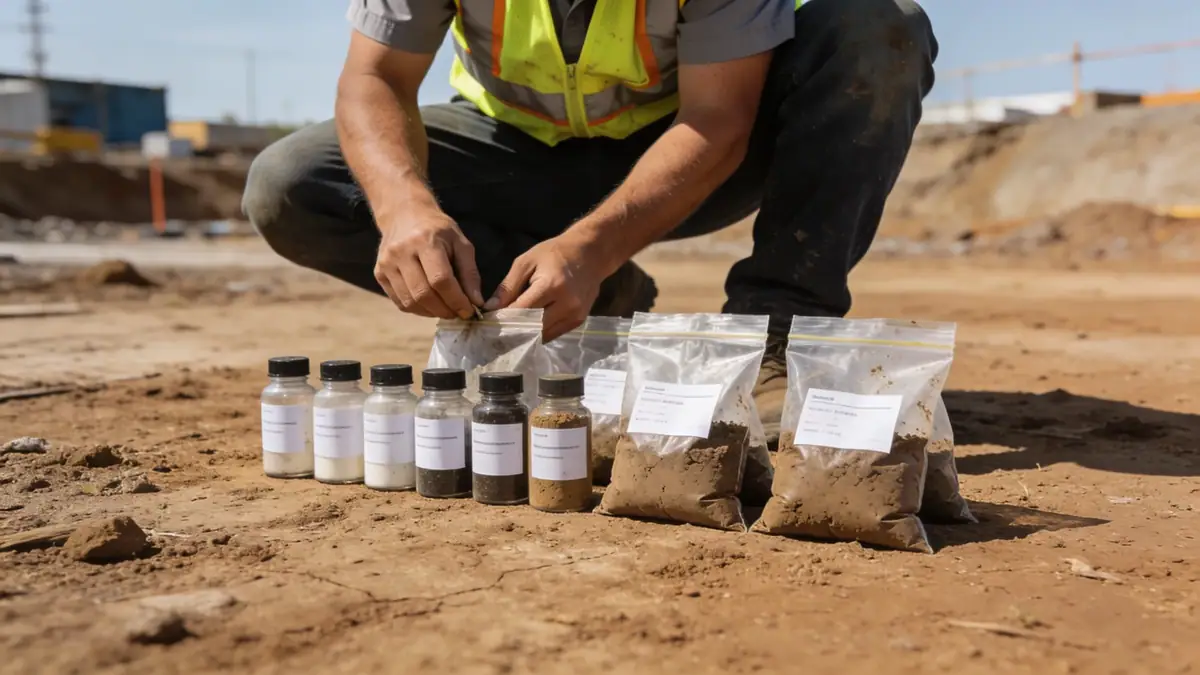
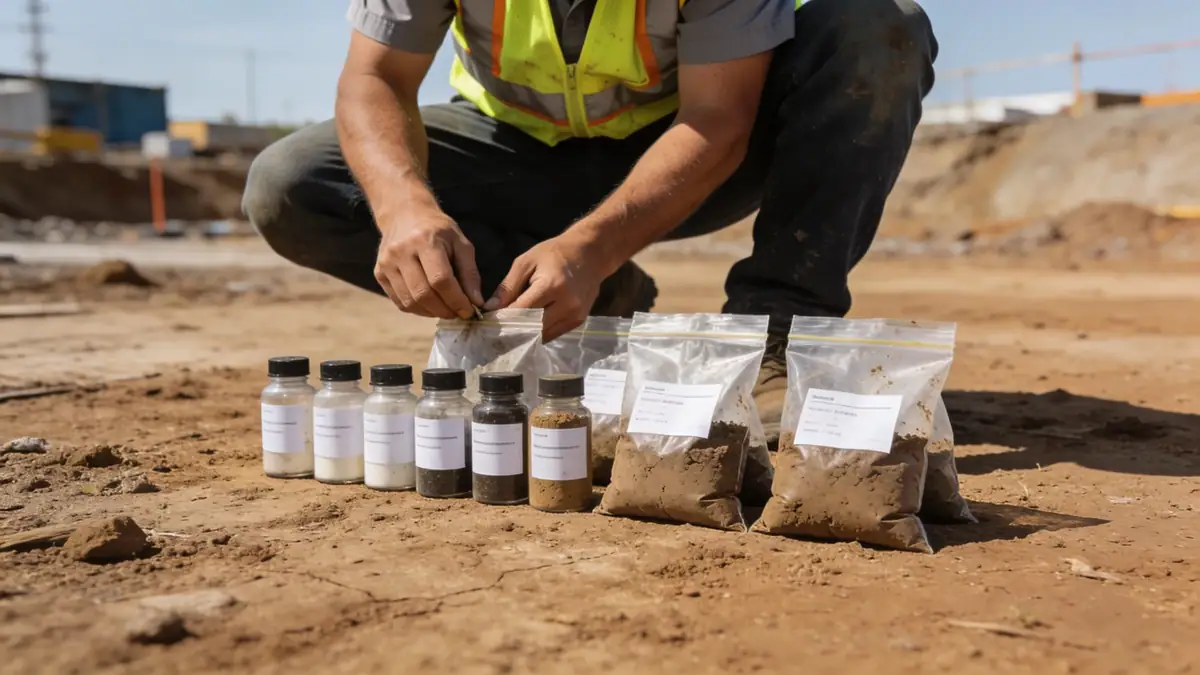
Our methodology in St Louis begins with a thorough review of existing geological maps and historical data. We then conduct field investigations including spt boring at strategic locations to characterize subsurface conditions. Laboratory testing on recovered samples provides parameters for soil strength, compressibility, and groundwater chemistry. All work follows ASTM D1586 for standard penetration tests and ASTM D2487 for soil classification. Our integrated approach allows us to develop site-specific recommendations that address the local seismic environment and variable soil profiles.
Reference Technical Parameters
| Parameter | Reference Value |
|---|---|
| Predominant soil type | Loess over glacial till and alluvium |
| Maximum seismic acceleration (PGA) | 0.2–0.5 g (ASCE 7-22) |
| Typical groundwater level | 3–10 m below grade |
| Bedrock depth | 10–30 m (limestone/shale) |
| Typical N60 range | 10–50 blows/ft |
Local Considerations — St Louis
St Louis presents distinct geotechnical challenges due to its location in the New Madrid Seismic Zone. The predominant loess soils are susceptible to collapse and liquefaction under seismic loading. Groundwater levels vary significantly between the Mississippi River floodplain and upland areas. Bedrock depths range from shallow in the western suburbs to over 30 m near the river. Our team has extensive experience with deep foundations in the downtown corridor and slope stability analyses along river bluffs. For broader regional context, we coordinate with geotechnical engineering in Chicago to ensure consistent practices across the Midwest.
Request a Quote
Our team reviews your project and issues an initial report at no cost.
Or write us directly at [email protected]
Services in St Louis
Applicable Standards
- ASCE 7-22
- IBC 2021
- ASTM D1586
- ASTM D2487
- ASTM D3080
Frequently Asked Questions
What are the typical soil conditions in St Louis?
St Louis soils are dominated by loess (wind-deposited silt) overlaying glacial till and alluvial deposits. These soils can be collapsible when wetted and are prone to liquefaction during seismic events. Bedrock is typically limestone or shale at depths of 10–30 m.
How do seismic regulations affect geotechnical work in St Louis?
Due to the New Madrid Seismic Zone, St Louis enforces ASCE 7-22 seismic provisions. Geotechnical investigations must evaluate liquefaction potential, site amplification, and lateral spreading. Our reports include site-specific seismic design parameters per IBC 2021.
Are geotechnical studies mandatory for construction in St Louis?
Yes, most municipalities in St Louis require a geotechnical report for building permits, especially for structures in Seismic Design Categories C through F. The report must address foundation design, soil bearing capacity, and seismic hazards.