
Methodology
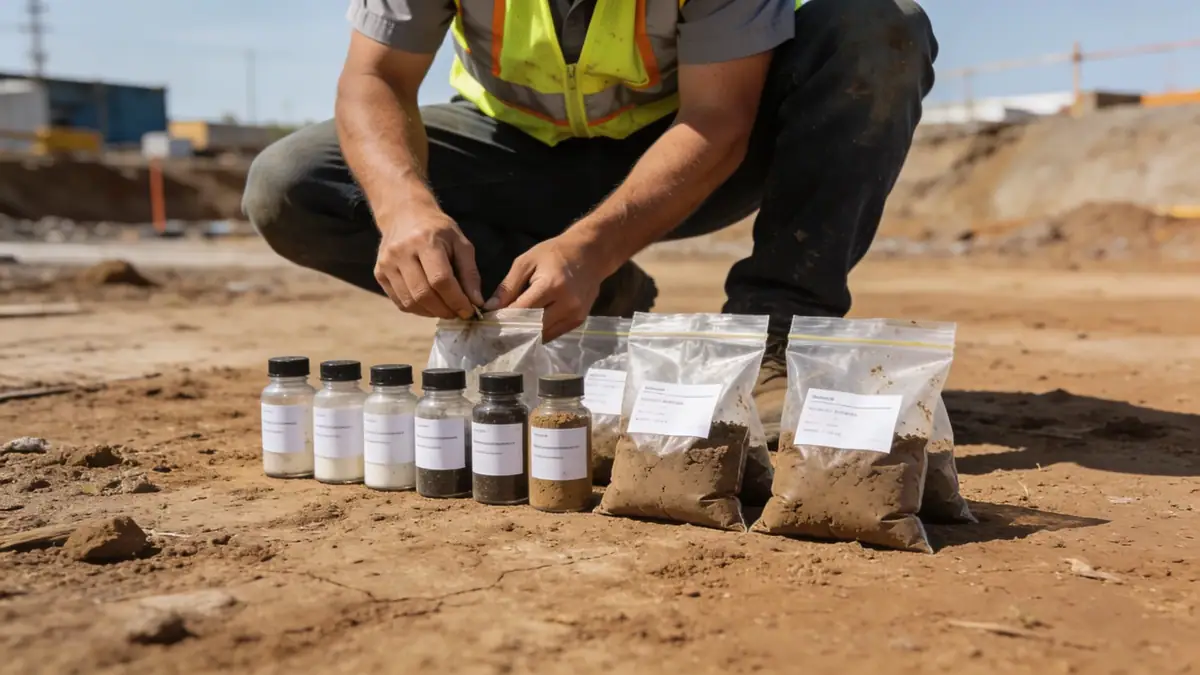
Our approach to geotechnical engineering in Peoria Illinois integrates field investigations, laboratory testing, and analytical modeling. We conduct spt boring to characterize subsurface stratigraphy and soil strength, following ASTM D1586 standards. This data informs foundation design parameters and slope stability evaluations. Our methodology ensures compliance with local building codes and accounts for Peoria's unique geological conditions, including potential liquefaction zones near the river. By combining site-specific data with regional knowledge, we deliver reliable recommendations for projects of all scales.
Reference Technical Parameters
| Parameter | Reference Value |
|---|---|
| Predominant Soil Type | Glacial till and alluvial silts/clays |
| Maximum Seismic Acceleration (PGA) | 0.15g to 0.25g (ASCE 7-16) |
| Typical Groundwater Level | 3 to 6 meters below surface |
| Bedrock Depth | 30 to 60 meters (Pennsylvanian shale/limestone) |
| Typical N60 Range (SPT) | 5 to 25 blows/ft (soft to firm soils) |
Local Considerations — Peoria Illinois
Peoria's geology is dominated by glacial till and alluvial deposits from the Illinois River. The water table is shallow in low-lying areas, requiring dewatering considerations for excavations. Seismic design follows ASCE 7-16, with peak ground accelerations up to 0.25g. Older neighborhoods often have uncontrolled fill, while newer developments require compaction testing. Typical foundation challenges include expansive clays and liquefaction potential in riverfront zones. For regional context, our geotechnical engineering in Chicago team addresses similar glacial geology but with deeper bedrock and higher seismic demands.
Request a Quote
Our team reviews your project and issues an initial report at no cost.
Or write us directly at [email protected]
Services in Peoria Illinois
Applicable Standards
- ASTM D1586 (Standard Penetration Test)
- ASCE 7-16 Minimum Design Loads for Buildings
Frequently Asked Questions
What are the main soil types found in Peoria Illinois?
The predominant soils in Peoria are glacial tills, including silty clays and sands, along with alluvial deposits near the Illinois River. These soils exhibit variable strength and compressibility, requiring careful geotechnical investigation for foundation design.
Is Peoria Illinois in a seismic zone?
Yes, Peoria is in a moderate seismic zone per ASCE 7-16, with mapped peak ground accelerations of 0.15g to 0.25g. This is due to the New Madrid Seismic Zone. Geotechnical reports must include site-specific seismic hazard assessments for most structures.
Are geotechnical studies required for all construction in Peoria?
While not mandated for all minor projects, most commercial and multi-family residential developments require geotechnical investigations. The Peoria County Building Code follows the International Building Code, which necessitates subsurface exploration for structures with significant loads or complex soil conditions.