Methodology
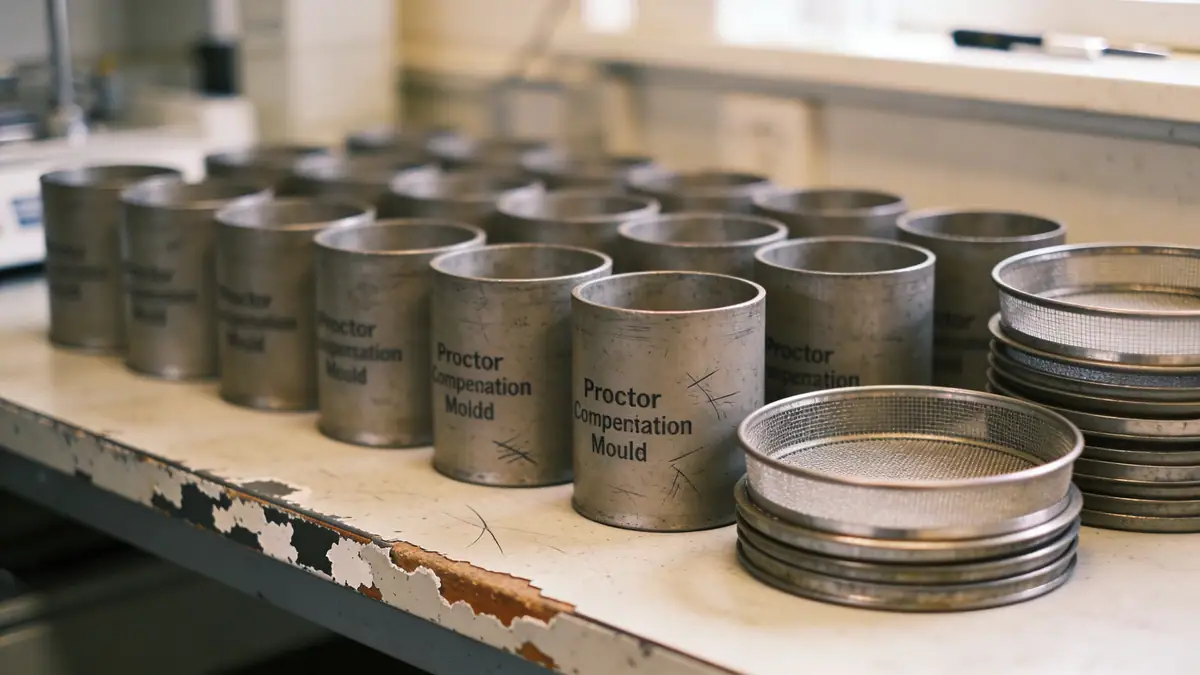
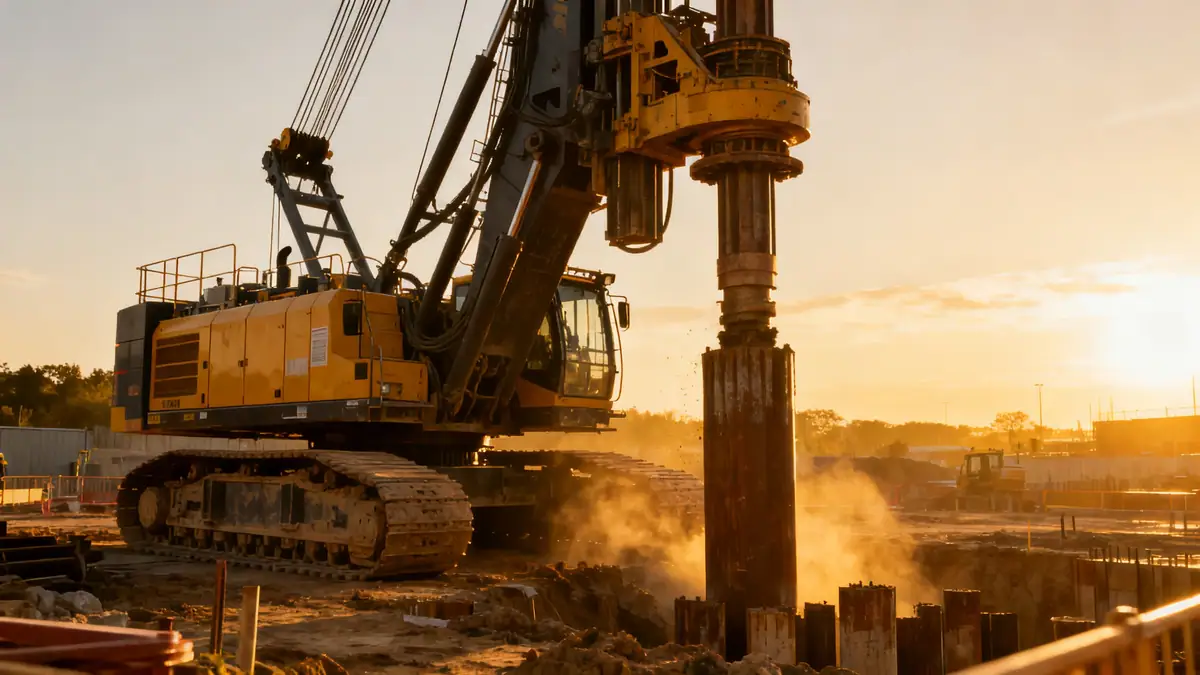
Our methodology for geotechnical engineering in Detroit follows a systematic approach tailored to the region's complex glacial geology. We begin with a thorough review of existing subsurface data and site history, followed by a field investigation program that includes spt boring at strategically located boreholes. Sampling intervals adhere to ASTM D1586, typically every 1.5 meters, with standard penetration tests providing N60 values. In cohesive soils, undisturbed Shelby tube samples are collected for laboratory testing. Groundwater monitoring wells are installed to measure seasonal fluctuations. All field data is integrated with laboratory results—such as Atterberg limits and triaxial shear tests—to develop a detailed geotechnical model. This model supports foundation recommendations, slope stability analyses, and seismic site classification per ASCE 7.
Reference Technical Parameters
| Parameter | Reference Value |
|---|---|
| Predominant soil type | Glacial till with interbedded sand and gravel, underlain by clay and shale |
| Maximum seismic acceleration (PGA) | 0.18 g (ASCE 7-16, Site Class D) |
| Typical groundwater level | 3–6 meters below ground surface, varies seasonally |
| Bedrock depth | 20–40 meters (Devonian limestone and shale) |
| Typical N60 range | 10–30 blows/0.3 m (cohesive soils); 20–50 blows/0.3 m (granular soils) |
Local Considerations — Detroit
Detroit's subsurface is dominated by glacial deposits: a thin layer of fill and topsoil over stiff to hard clay till, with lenses of sand and gravel. Groundwater is typically encountered at 3–6 meters, requiring dewatering for deep excavations. Seismic hazard is moderate (PGA 0.18 g, Site Class D), per ASCE 7. Older industrial districts (e.g., Corktown) may contain undocumented fill and buried structures, necessitating careful investigation. Typical foundation solutions include spread footings on till or deep foundations for heavy loads. For additional expertise on regional projects, refer to our geotechnical engineering en Chicago hub. Our soil mechanics laboratory provides precise index and strength parameters for Detroit soils.
Request a Quote
Our team reviews your project and issues an initial report at no cost.
Or write us directly at [email protected]
Services in Detroit
Applicable Standards
- ASTM D1586
- ASCE 7-16
- Michigan Building Code (IBC 2018-based)
- ASTM D2487 (USCS classification)
- OSHA 29 CFR 1926 (excavation safety)
Frequently Asked Questions
What are the typical soil conditions in Detroit for foundation design?
Detroit's soils are predominantly glacial till, consisting of stiff clay with sand and gravel layers. N60 values range from 10 to 30 blows per foot for cohesive soils and 20 to 50 for granular. Groundwater is generally found at 3–6 meters. These conditions typically support shallow foundations unless heavy loads or deep fill require piles.
Is seismic analysis required for geotechnical studies in Detroit?
Yes, per ASCE 7-16, Detroit falls under Seismic Design Category B with a PGA of 0.18 g. Site-specific seismic analysis is required for Risk Category II structures and above. This includes determining Site Class (typically D) and evaluating liquefaction potential, especially near the Detroit River.
Are geotechnical investigations mandatory for all construction projects in Detroit?
While not explicitly mandated for all projects, the Michigan Building Code requires a geotechnical report for structures with deep foundations, retaining walls, or slopes. For commercial and multi-family buildings, local authorities often require subsurface investigation to ensure public safety and code compliance.