Methodology

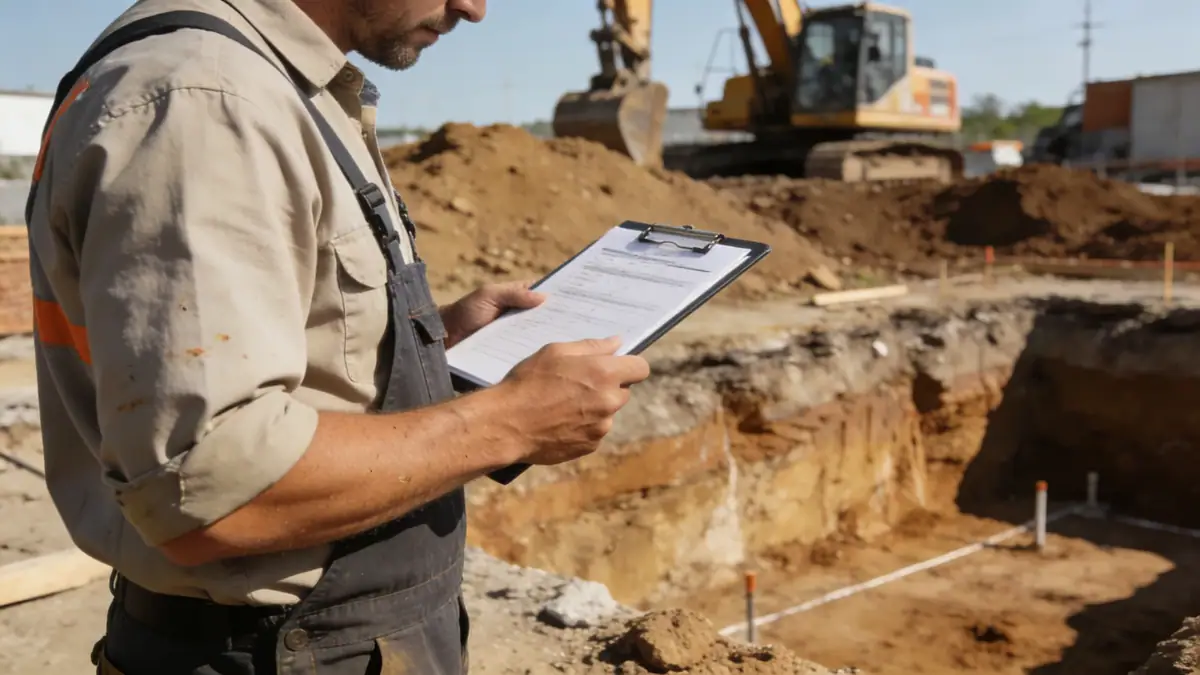
Our methodology for geotechnical engineering in Grand Rapids begins with a thorough desk study of existing geological maps and boring logs. We then conduct field investigations, including spt boring to recover disturbed and undisturbed samples, and install piezometers to monitor groundwater levels. Laboratory testing follows ASTM standards to classify soils and determine shear strength, consolidation, and permeability parameters. Data analysis employs empirical correlations and numerical modeling to develop site-specific recommendations for foundation design, slope stability, and earth pressure. All work is documented in a comprehensive geotechnical report tailored to local regulatory requirements.
Reference Technical Parameters
| Parameter | Reference Value |
|---|---|
| Predominant soil type | Glacial till and lacustrine clay |
| Maximum seismic acceleration (PGA) | 0.15g to 0.25g (IBC 2018) |
| Typical groundwater level | 3–6 m below surface |
| Bedrock depth | 30–60 m (Marshall Sandstone) |
| Typical N60 range (SPT) | 10–40 blows/0.3 m |
Local Considerations — Grand Rapids
Grand Rapids lies within the Michigan Basin, characterized by glacial tills and lacustrine clays. Groundwater levels are shallow in lowland areas near the Grand River. Seismic hazard is moderate per IBC 2018, with PGA values up to 0.25g. Foundation designs often require deep foundations or ground improvement in soft clay deposits. We recommend engaging our soil mechanics laboratory for advanced testing of local soils. For broader context, our geotechnical engineering en Chicago hub provides regional insights applicable to Midwest projects.
Request a Quote
Our team reviews your project and issues an initial report at no cost.
Or write us directly at [email protected]
Services in Grand Rapids
Applicable Standards
- ASTM D1586 (Standard Penetration Test)
- IBC 2018 (International Building Code)
- ASCE 7-16 (Minimum Design Loads for Buildings)
- ASTM D2487 (Unified Soil Classification System)
Frequently Asked Questions
What are the typical soil conditions for geotechnical engineering in Grand Rapids?
Soils in Grand Rapids are predominantly glacial tills (sandy clays) and lacustrine clays. These deposits often exhibit variable density and high plasticity, requiring careful evaluation for foundation design.
How does seismic risk affect geotechnical engineering in Grand Rapids?
Grand Rapids falls within IBC Seismic Design Category B to C, with peak ground accelerations up to 0.25g. Liquefaction potential is low but must be assessed for saturated loose sands.
Are geotechnical studies mandatory for construction in Grand Rapids?
While not always mandatory, the City of Grand Rapids and Kent County strongly recommend geotechnical investigations for new buildings, especially those exceeding two stories or in areas with known soft soils.