Methodology
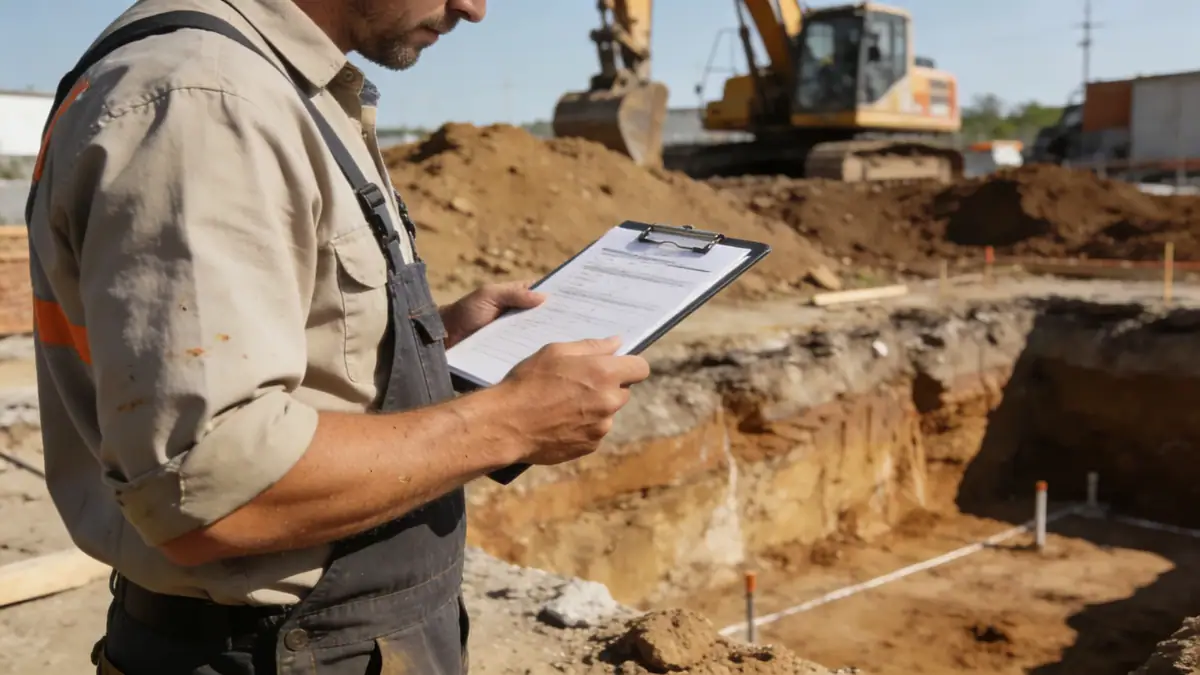
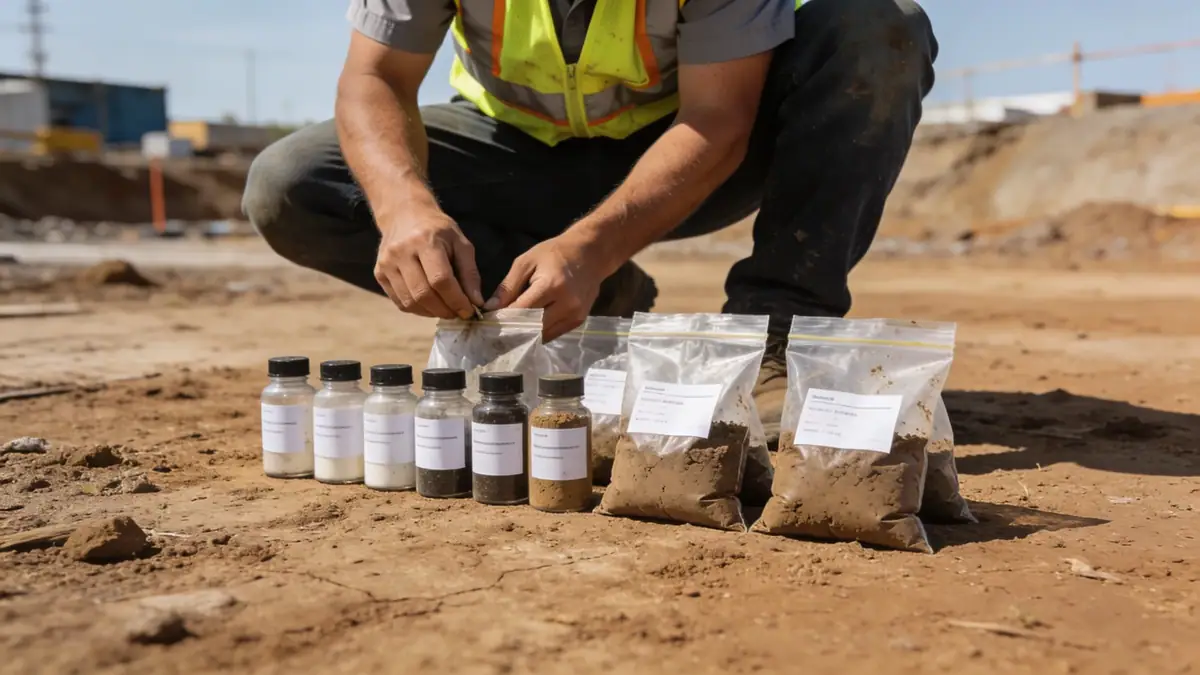
Our geotechnical engineering methodology in Springfield Missouri follows a phased approach tailored to the region’s geology. We begin with a desktop study reviewing existing boring logs and geological maps, followed by a field exploration program that typically includes spt boring at depths of 8 to 15 meters for residential structures, and up to 30 meters for larger commercial facilities. Sampling intervals follow ASTM D1586, with Standard Penetration Tests performed every 1.5 meters. Laboratory testing on recovered samples includes moisture content, Atterberg limits, and unconfined compression. All data are synthesized into a geotechnical report that presents soil profiles, groundwater conditions, and foundation recommendations per applicable codes.
Reference Technical Parameters
| Parameter | Reference Value |
|---|---|
| Predominant soil type | Cherty limestone residuum over dolomite bedrock |
| Maximum seismic acceleration (PGA) | 0.15g (ASCE 7-16, Site Class C) |
| Typical groundwater level | 3–8 m below grade, perched zones common |
| Bedrock depth | 5–15 m in upland areas; deeper in valley fills |
| Typical N60 range | 10–30 blows/ft in residuum; 8–15 in alluvial deposits |
Local Considerations — Springfield Missouri
Springfield Missouri lies within the Ozark Plateau, underlain by Mississippian limestones and dolomites. The predominant soil is a clayey silt residuum with chert fragments, grading into weathered bedrock at depth. Seismic hazard is moderate, with a design PGA of 0.15g per ASCE 7-16. Groundwater is generally deep, but perched aquifers can occur after heavy rains, especially in the southern part of the city near the James River. Local building codes reference the Springfield-Branson National Airport soil survey data. For complex projects, we coordinate with our geotechnical engineering en Chicago team to leverage broader regional experience. Typical failure modes include settlement on loose fill and differential movement on expansive clay layers.
Request a Quote
Our team reviews your project and issues an initial report at no cost.
Or write us directly at [email protected]
Services in Springfield Missouri
Applicable Standards
- ASTM D1586 (Standard Penetration Test)
- ASCE 7-16 (Minimum Design Loads for Buildings)
- IBC 2021 (International Building Code)
- Springfield City Code Chapter 36 (Excavation and Grading)
Frequently Asked Questions
What are the typical soil conditions in Springfield Missouri?
Springfield Missouri features cherry limestone residuum over dolomite bedrock. Soils are generally firm but can contain expansive clays in some areas. Groundwater is usually deep, though shallow perched zones exist near streams. Standard geotechnical investigations include SPT borings and laboratory testing to characterize these materials.
Does Springfield Missouri require seismic geotechnical evaluations?
Yes, per the IBC and ASCE 7-16, Springfield Missouri falls in a moderate seismic zone with a design PGA of 0.15g. Geotechnical reports must address site class, liquefaction potential, and seismic settlement. Our firm routinely performs these evaluations to comply with local building department requirements.
Are geotechnical studies mandatory for residential projects in Springfield?
While not always required for single-family homes on conventional lots, the City of Springfield may mandate a geotechnical report for projects on steep slopes, in floodplains, or where expansive soils are suspected. We recommend a preliminary evaluation to avoid costly surprises during construction.