Methodology
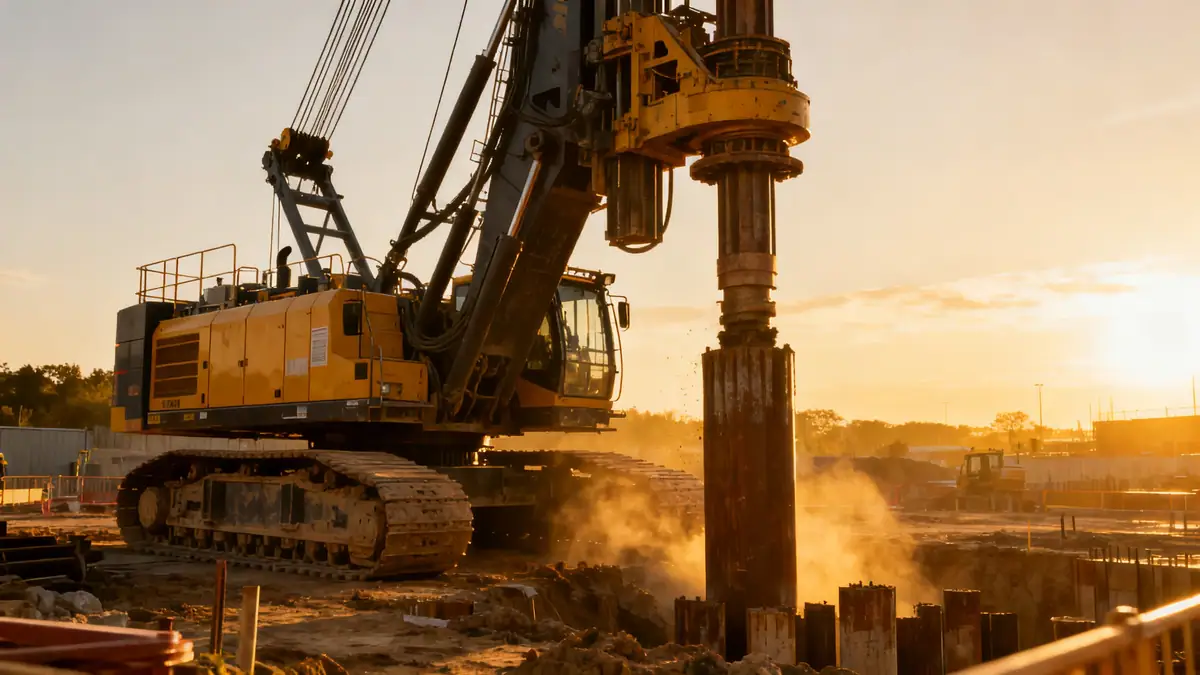
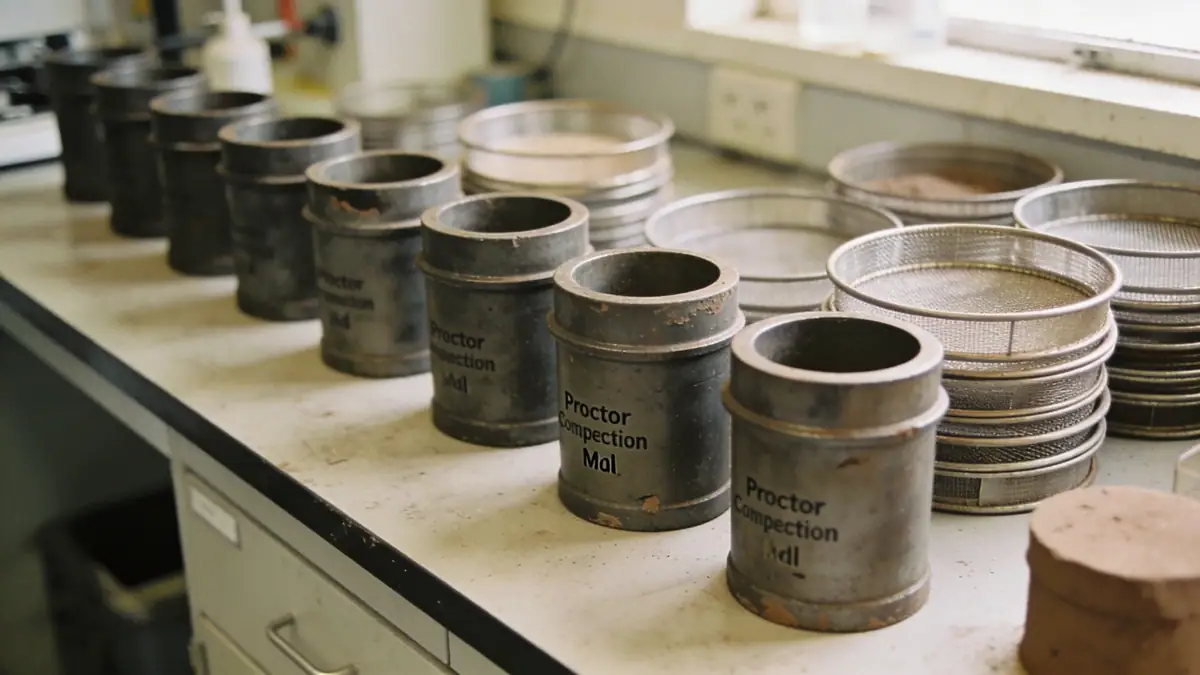
Our methodology for geotechnical engineering in Louisville begins with a thorough review of existing geological maps and historical data. We then conduct field investigations using standardized techniques such as spt boring to obtain soil samples at regular intervals. These samples are analyzed in our soil mechanics laboratory to determine index properties, strength, and consolidation characteristics. Our approach integrates geological interpretation with quantitative analysis, ensuring that design parameters reflect actual subsurface conditions. This systematic process, aligned with ASTM and local guidelines, provides a reliable foundation for subsequent design phases.
Reference Technical Parameters
| Parameter | Reference Value |
|---|---|
| Predominant soil type | Expansive clays (CH, MH) and alluvial silts |
| Maximum seismic acceleration (PGA) | 0.15–0.20 g (ASCE 7-16) |
| Typical groundwater level | 3–8 ft below grade |
| Bedrock depth | 30–100 ft (limestone/shale) |
| Typical N60 range (cohesive soils) | 4–10 blows/ft |
Local Considerations — Louisville
Louisville's geology is dominated by expansive clays derived from the Ohio River floodplain and underlying limestone bedrock. These soils exhibit significant volume changes with moisture variation, requiring careful foundation design to mitigate heave and settlement. Seismic hazard is moderate, with peak ground accelerations up to 0.20 g per ASCE 7-16, necessitating site-specific response analysis for critical structures. Groundwater levels fluctuate seasonally, often within 5 ft of the surface, influencing excavation and dewatering plans. Our team's familiarity with these conditions ensures tailored recommendations. For specialized analyses, we refer to our slope stability services. Learn more about our broader capabilities at geotechnical engineering en Chicago.
Request a Quote
Our team reviews your project and issues an initial report at no cost.
Or write us directly at [email protected]
Services in Louisville
Applicable Standards
- ASTM D1586 (Standard Penetration Test)
- ASCE 7-16 (Minimum Design Loads for Buildings and Other Structures)
- IBC (International Building Code) – Kentucky Amendments
- Louisville Metro Building Code (Chapter 18 – Soils and Foundations)
Frequently Asked Questions
What types of soil are common in Louisville?
The predominant soils in Louisville are expansive clays (CH and MH) and alluvial silts, with depth to bedrock typically between 30 and 100 ft. These soils are highly plastic and prone to volume changes with moisture, requiring careful geotechnical evaluation for foundation design.
Is seismic design required in Louisville?
Yes, per ASCE 7-16, Louisville is classified as Seismic Design Category B to C, with peak ground accelerations (PGA) of 0.15–0.20 g. Site-specific seismic analysis is recommended for essential facilities and structures with irregular configurations to ensure compliance with the Kentucky Building Code.
Are geotechnical studies mandatory for construction in Louisville?
While not always legally mandated for all projects, most commercial and multi-family residential developments require a geotechnical investigation as part of the building permit process. The Louisville Metro Building Code references IBC Chapter 18, which necessitates subsurface exploration for foundations in expansive or compressible soils.