Methodology
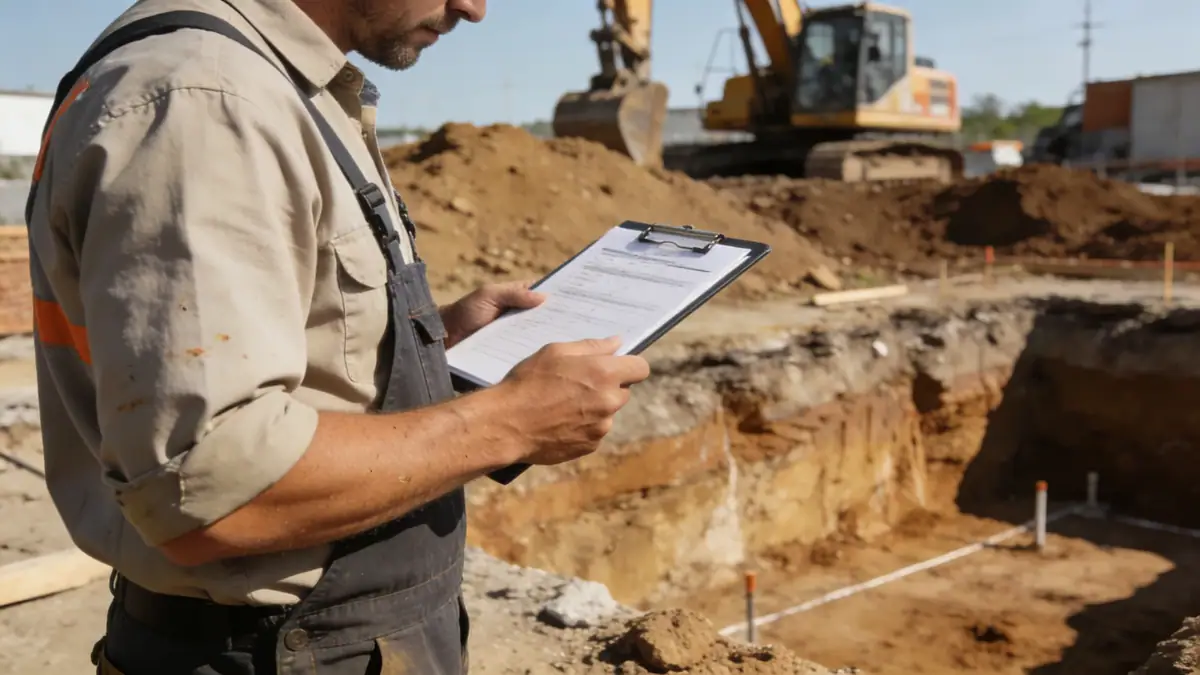
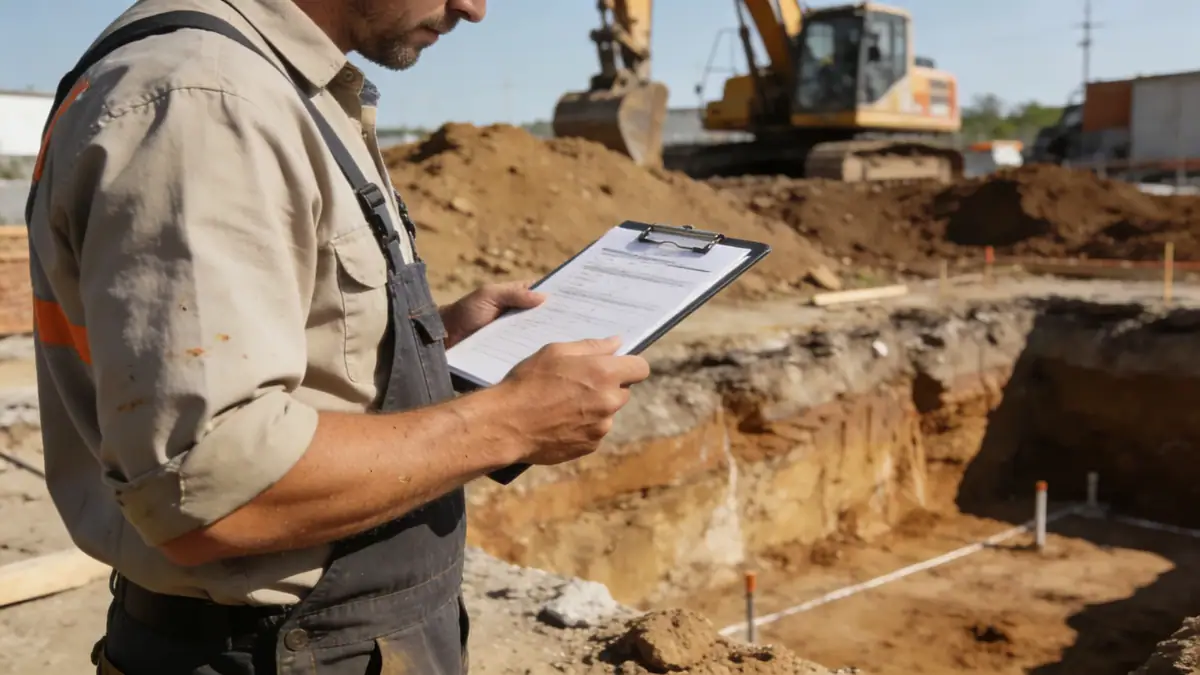
Our methodology for geotechnical engineering in Des Moines begins with a comprehensive subsurface investigation program. We perform SPT boring in accordance with ASTM D1586, with sampling intervals typically every 1.5 m to capture stratigraphic changes. Soil samples are transported to our soil mechanics laboratory for classification, strength, and consolidation testing. This data informs our analysis of bearing capacity, settlement, and lateral earth pressures. We integrate these results with local seismic hazard data to design foundations that meet ASCE 7 requirements. Our approach ensures that every recommendation is supported by site-specific evidence and national standards.
Reference Technical Parameters
| Parameter | Reference Value |
|---|---|
| Predominant soil type | Glacial till (silty clay with sand/gravel) |
| Maximum seismic acceleration (PGA) | 0.05g (ASCE 7 Site Class D) |
| Typical groundwater level | 3–6 m below grade |
| Bedrock depth | 20–40 m (limestone) |
| Typical N60 range (SPT) | 10–30 blows/0.3 m (till) |
Local Considerations — Des Moines
Des Moines' geology is dominated by glacial till and loess overlying limestone bedrock. The water table fluctuates seasonally, typically 3–6 m below grade. Seismic hazard is low (PGA ~0.05g), but site amplification from soft soils must be considered. Older neighborhoods may have undocumented fill or buried structures. Our team routinely evaluates these conditions, referencing our broader experience from geotechnical engineering en Chicago to apply proven techniques. We also coordinate with local building officials to ensure compliance with city-specific foundation ordinances.
Request a Quote
Our team reviews your project and issues an initial report at no cost.
Or write us directly at [email protected]
Services in Des Moines
Applicable Standards
- ASTM D1586 (Standard Penetration Test)
- ASCE 7 (Minimum Design Loads for Buildings)
- IBC 2021 (International Building Code)
- Iowa State Building Code
Frequently Asked Questions
What are the typical soil conditions in Des Moines?
Des Moines soils are primarily glacial till—a dense mixture of clay, silt, sand, and gravel. Loess deposits are common near the surface. Bedrock (limestone) lies 20–40 m deep. Groundwater is generally 3–6 m below grade, but can be shallower near rivers.
Are geotechnical studies required for construction in Des Moines?
Yes, the Iowa State Building Code requires a geotechnical investigation for most commercial and multi-family residential projects. The study must characterize soil bearing capacity, settlement potential, and seismic site class to ensure safe foundation design.
How does seismic hazard affect foundation design in Des Moines?
Des Moines has low seismic hazard (PGA ~0.05g), but site amplification due to soft soils can increase demands. ASCE 7 Site Class D is common. Our analyses include liquefaction potential (low risk) and provide recommendations for foundation tie-beams or reinforcement where needed.