Methodology
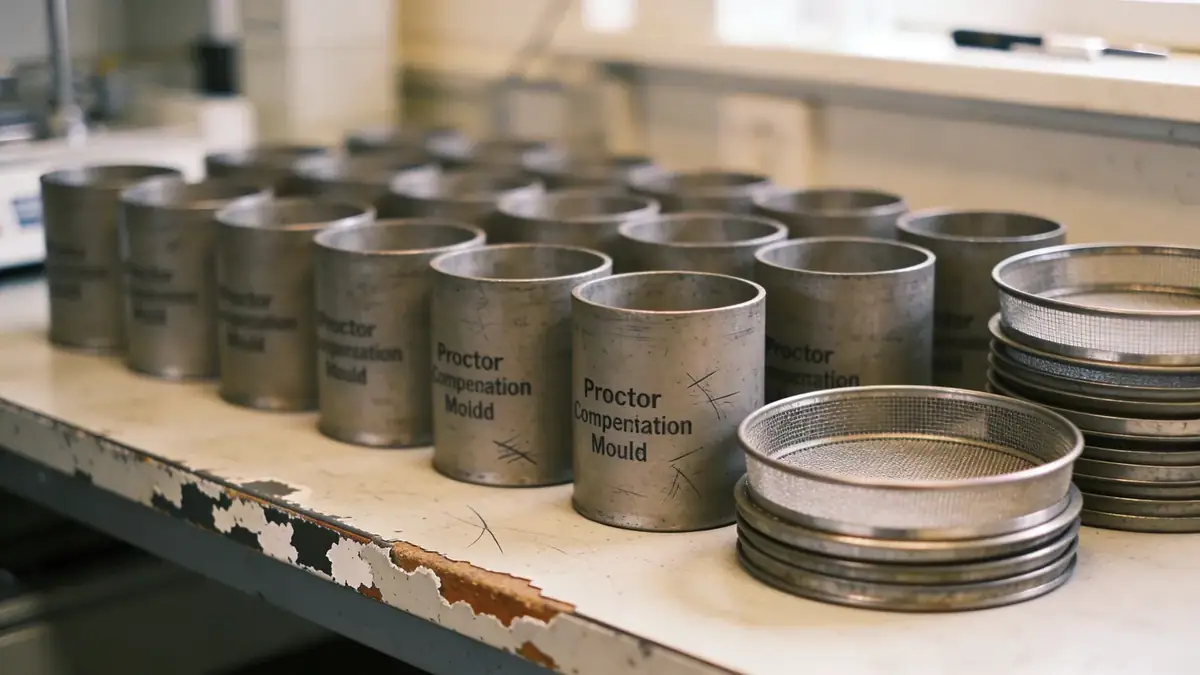
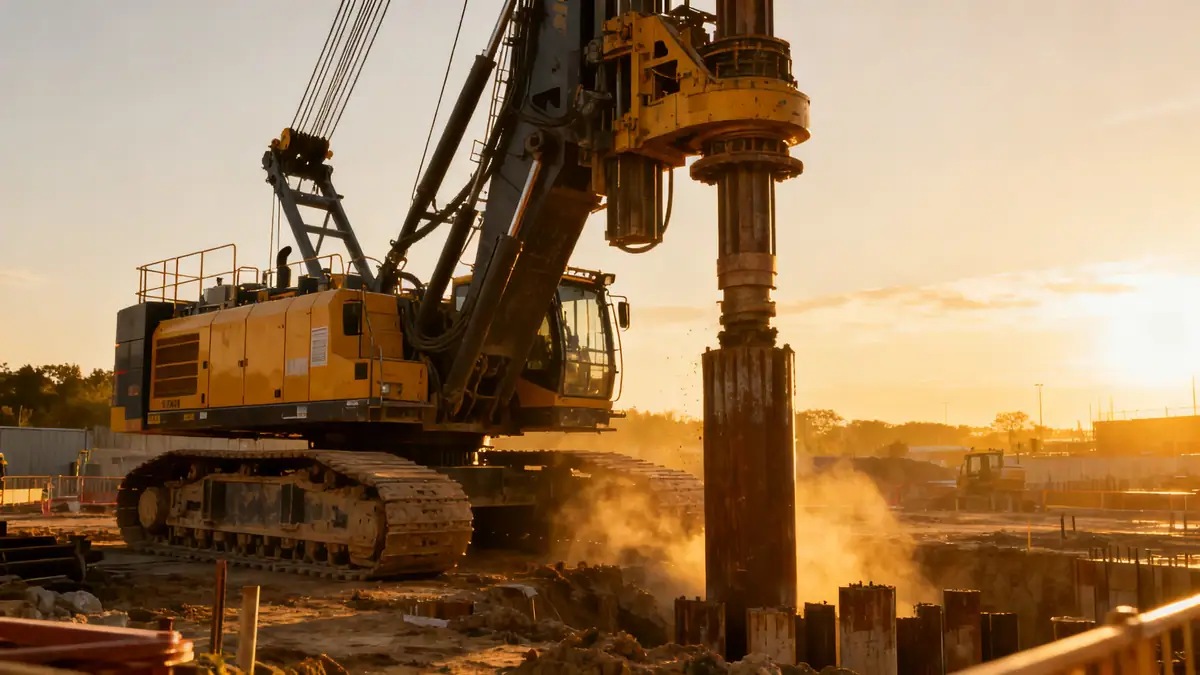
Our geotechnical engineering approach in Indianapolis follows a systematic methodology aligned with ASTM standards. We begin with a comprehensive review of site history and geologic mapping, followed by spt boring to obtain disturbed and undisturbed samples at regular intervals. In-situ testing includes standard penetration tests (SPT) per ASTM D1586, with N60 values used for correlation. Laboratory testing on recovered samples classifies soils per the Unified Soil Classification System and evaluates strength and consolidation parameters. This data informs foundation and earthwork recommendations, with numerical modeling applied for complex conditions.
Reference Technical Parameters
| Parameter | Reference Value |
|---|---|
| Predominant soil type | Glacial till (silty clay with sand and gravel) |
| Maximum seismic acceleration (PGA) | 0.1g to 0.15g (ASCE 7) |
| Typical groundwater level | 3 to 6 meters below ground surface |
| Bedrock depth | 30 to 60 meters (shale and limestone) |
| Typical N60 range | 10 to 30 blows/0.3m (clay till) |
Local Considerations — Indianapolis
Indianapolis sits on the Tipton Till Plain, characterized by glacial deposits overlying Paleozoic bedrock. Soils are predominantly silty clay with varying sand and gravel, often exhibiting high plasticity. Groundwater is encountered at depths of 3 to 6 meters, requiring dewatering considerations for excavations. Seismic design per ASCE 7-16 places the city in Seismic Design Category B, with peak ground accelerations of 0.1g to 0.15g. Older downtown areas may have undocumented fill, while suburban sites often present competent till. Local building codes mandate geotechnical investigations for structures over three stories. For broader regional context, our team in geotechnical engineering en Chicago addresses similar glacial geology.
Request a Quote
Our team reviews your project and issues an initial report at no cost.
Or write us directly at [email protected]
Services in Indianapolis
Applicable Standards
- ASTM D1586
- ASCE 7-16
- IBC 2021
- Indiana Building Code
Frequently Asked Questions
What are the typical soil types encountered in Indianapolis?
Indianapolis soils are predominantly glacial till, consisting of silty clay with sand and gravel. Alluvial deposits are found along waterways. These soils generally provide adequate bearing capacity but require careful evaluation for shrink-swell potential and consolidation.
Is seismic design required for projects in Indianapolis?
Yes, per ASCE 7-16, Indianapolis is in Seismic Design Category B, with a peak ground acceleration of 0.1g to 0.15g. Seismic analysis is required for most structures, though detailing requirements are less stringent than in higher seismic zones.
Are geotechnical investigations mandatory for construction in Indianapolis?
Local building codes typically require geotechnical investigations for structures exceeding three stories or with unusual loads. For smaller projects, a geotechnical report is often recommended to address soil variability and groundwater conditions.