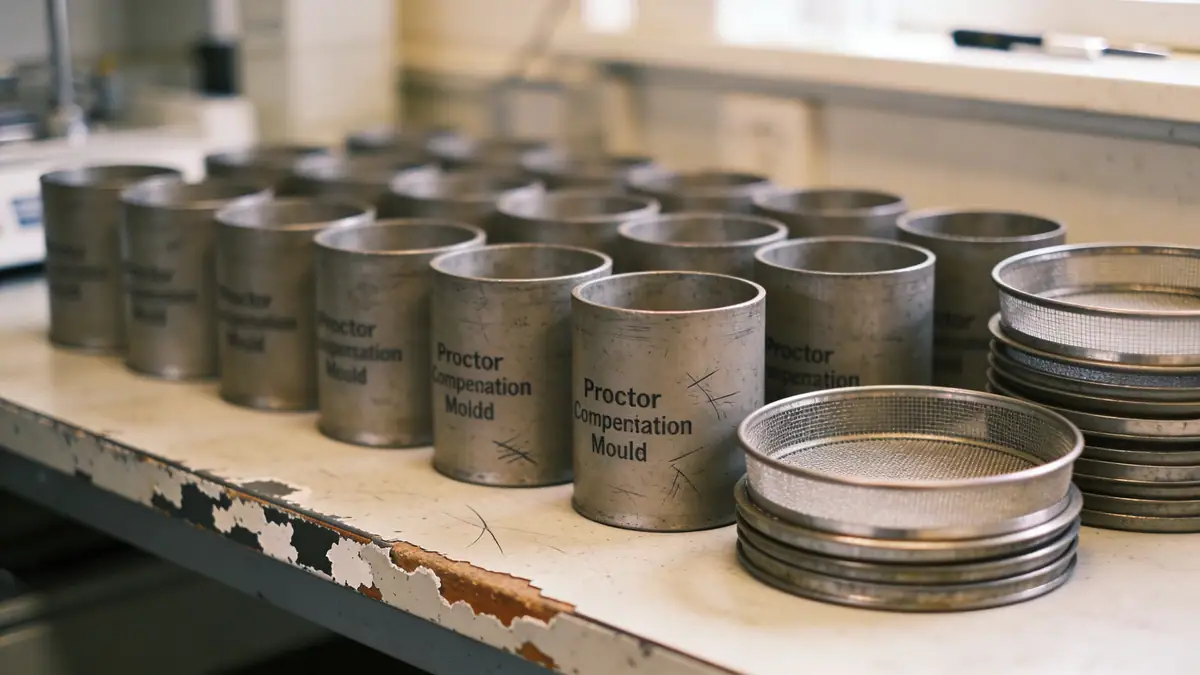
Methodology
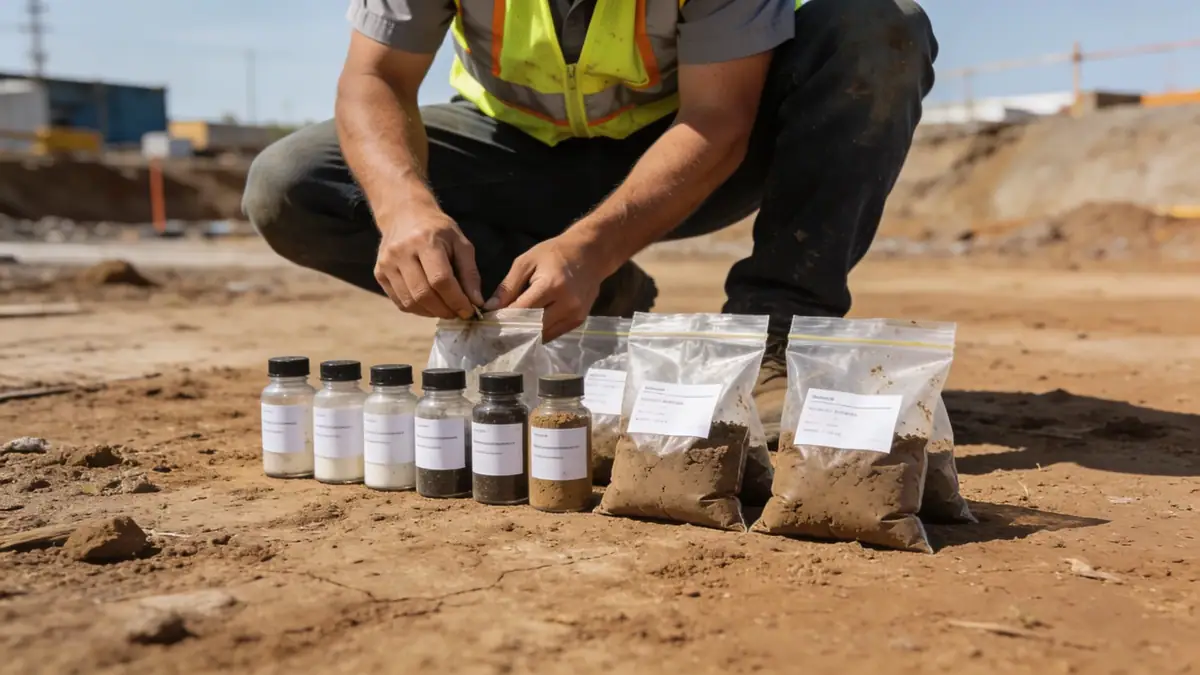
Our geotechnical methodology in Minneapolis integrates historical data with modern investigation techniques. We begin with a review of existing geological maps and records from the Minnesota Geological Survey. Field programs typically include spt boring at depths of 10 to 30 meters, depending on structural loads and subsurface conditions. Soil samples are retrieved and tested in our laboratory for index properties, strength, and compressibility. Continuous monitoring of groundwater levels is performed using piezometers. Our approach adheres to ASTM standards, including D1586 for SPT, ensuring data reliability for foundation and pavement design. We also perform seismic site classification per ASCE 7-16.
Reference Technical Parameters
| Parameter | Reference Value |
|---|---|
| Predominant soil type | Glacial till (silty sand with gravel) over St. Peter Sandstone |
| Maximum seismic acceleration (PGA) | 0.15g (ASCE 7-16 Site Class D) |
| Typical groundwater level | 3–9 m below ground surface |
| Bedrock depth | 10–30 m (St. Peter Sandstone) |
| Typical N60 range (SPT) | 10–50 blows/0.3 m in till; >100 in sandstone |
Local Considerations — Minneapolis
Minneapolis is underlain by glacial deposits and the St. Peter Sandstone, which affect foundation design. The water table is shallow in many areas, requiring dewatering or waterproofing for basements. Seismic hazard is moderate, with a PGA of 0.15g per ASCE 7-16, necessitating site-specific response analysis for critical structures. Neighborhoods near the river may have soft clays or loose sands, while uplands offer stiff till. Typical projects include high-rise foundations in downtown and residential structures in suburbs. Our team coordinates with local officials to meet Minnesota Building Code requirements. For regional expertise, see geotechnical engineering in Chicago.
Request a Quote
Our team reviews your project and issues an initial report at no cost.
Or write us directly at [email protected]
Services in Minneapolis
Applicable Standards
- ASTM D1586 (Standard Test Method for SPT)
- ASCE 7-16 (Minimum Design Loads for Buildings)
- Minnesota Building Code (2015 IBC based)
- ASTM D2487 (Unified Soil Classification System)
- ASTM D2435 (One-Dimensional Consolidation)
Frequently Asked Questions
What soil types are commonly found in Minneapolis?
Minneapolis is characterized by glacial till (silty sand with gravel) overlying St. Peter Sandstone. River valleys may contain alluvial deposits of soft clay and loose sand. Bedrock depth varies from 10 to 30 meters, with sandstone providing competent bearing strata.
Is seismic design required for buildings in Minneapolis?
Yes, the Minnesota Building Code adopts ASCE 7-16, which classifies Minneapolis as Seismic Design Category B or C depending on site class. A site-specific response analysis may be required for critical facilities. Peak ground acceleration is typically 0.15g for Site Class D.
Are geotechnical investigations mandatory for construction in Minneapolis?
While not always legally required for single-family homes, most commercial and multi-story residential projects require a geotechnical report for building permits. Lenders and insurers often mandate subsurface exploration for risk assessment.