Methodology
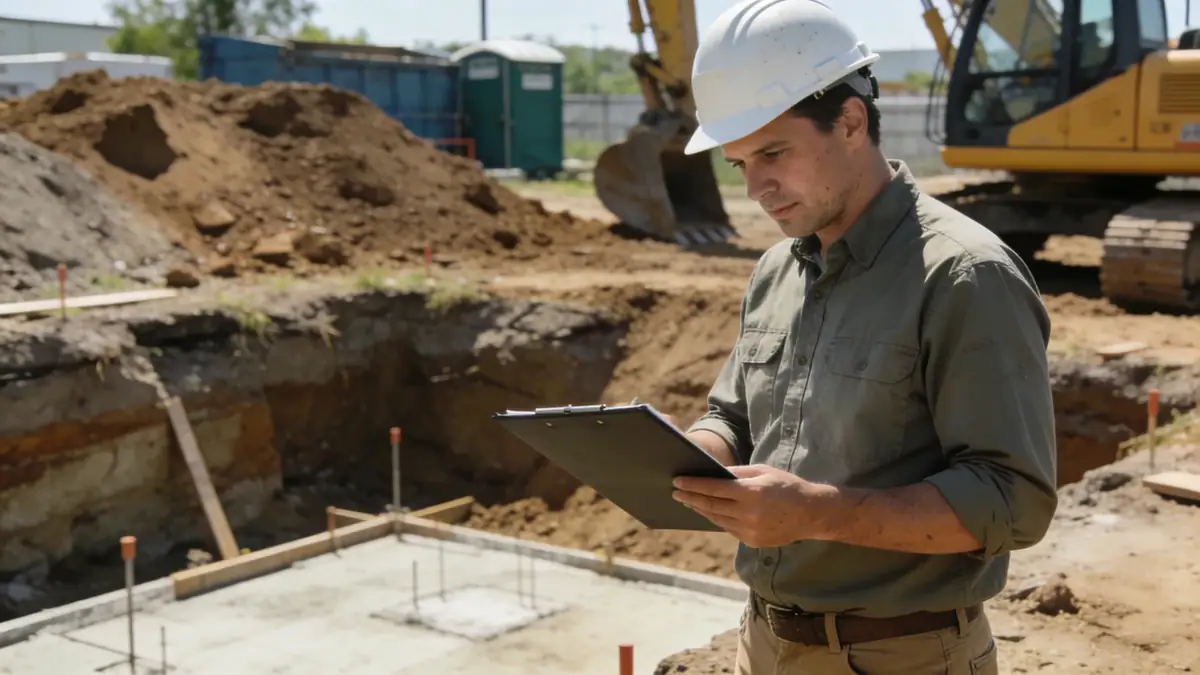
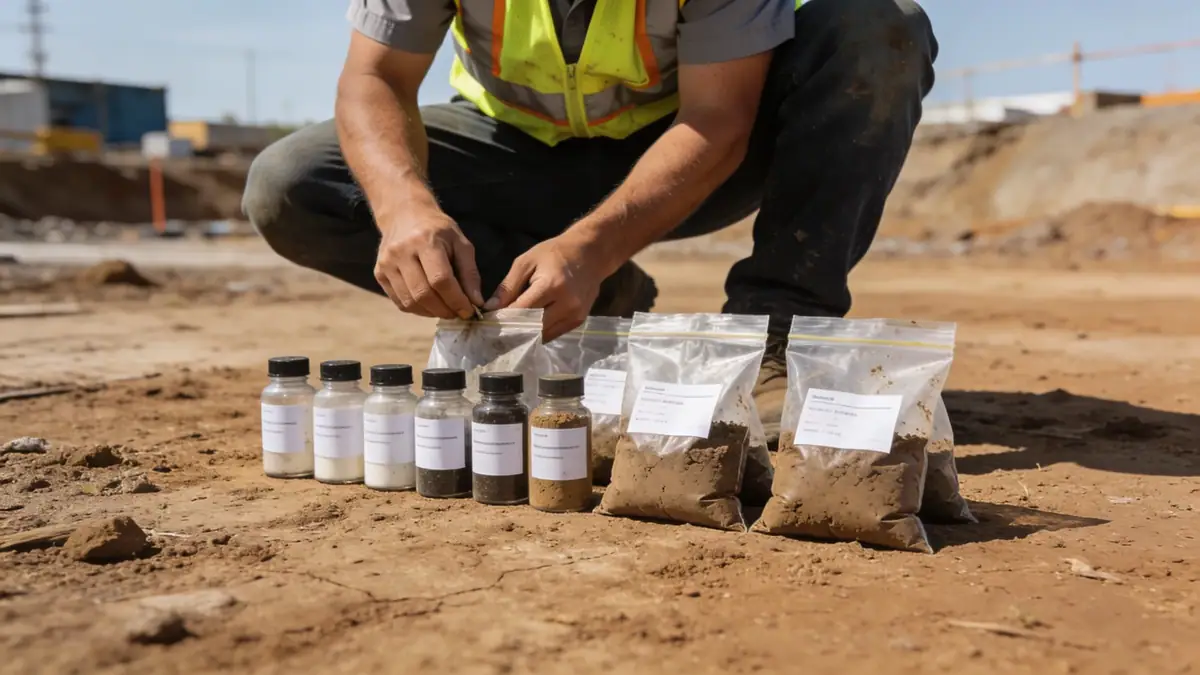
Our methodology for geotechnical engineering in Fargo begins with a thorough review of existing geologic maps and boring logs from nearby projects. We then conduct field investigations using techniques such as spt boring in accordance with ASTM D1586, with sampling intervals typically every 1.5 meters. Laboratory testing on recovered samples includes moisture content, Atterberg limits, and unconfined compression, following ASTM D4318 and D2166. For seismic considerations, we evaluate site class per ASCE 7 using shear wave velocity measurements or N60 correlations. This systematic approach ensures robust characterization of Fargo’s variable soil conditions, supporting foundation recommendations and earthwork specifications.
Reference Technical Parameters
| Parameter | Reference Value |
|---|---|
| Predominant soil type | Lean clay (CL) to silty clay (CL-ML), glacial till |
| Typical N60 range (0–6 m) | 4–12 blows/0.3 m |
| Maximum seismic acceleration (PGA) | 0.10–0.15 g (ASCE 7 Site Class D) |
| Typical groundwater depth | 1.5–3.0 m below ground surface |
| Bedrock depth | >30 m (deep sedimentary basin) |
Local Considerations — Fargo
Fargo’s subsurface is dominated by glacial lake sediments, resulting in high-plasticity clays that are prone to volume changes with moisture variation. The shallow water table necessitates dewatering for deep excavations and often requires consideration of buoyancy effects on foundations. Seismic hazard is low to moderate, but liquefaction of loose sands in the underlying alluvial channels is a concern. East of the Red River, in Moorhead, Minnesota, the stratigraphy is similar but may include more sand lenses. Typical foundation solutions involve spread footings on improved ground or deep foundations such as driven piles. Our team also provides soil mechanics laboratory services to evaluate consolidation and strength parameters specific to Fargo clays. For clients requiring broader regional support, we collaborate with our geotechnical engineering in Chicago hub.
Request a Quote
Our team reviews your project and issues an initial report at no cost.
Or write us directly at [email protected]
Services in Fargo
Applicable Standards
- ASTM D1586 (Standard Penetration Test)
- ASCE 7 (Minimum Design Loads and Associated Criteria for Buildings and Other Structures)
- IBC 2021 (International Building Code)
- North Dakota State Building Code
Frequently Asked Questions
What are the typical soil conditions in Fargo for foundation design?
Fargo soils predominantly consist of lean to silty clays (CL-ML) from glacial lake deposits, often with high plasticity. The groundwater table is shallow, typically 1.5–3.0 m deep. These conditions require careful evaluation of settlement and bearing capacity, often necessitating deep foundations or soil improvement.
Is a seismic study required for geotechnical engineering in Fargo?
Yes, per ASCE 7, Fargo falls in Seismic Design Category B to C with a PGA of 0.10–0.15 g. Site class determination via shear wave velocity or N60 is required for buildings in Risk Category II or higher. Our reports include site-specific seismic hazard assessments.
Are geotechnical investigations mandatory for residential projects in Fargo?
While not always legally required for single-family homes, local building officials often recommend or require a geotechnical report for projects with basements or expansive soils. For commercial and multi-family structures, a geotechnical investigation is standard practice to ensure code compliance.