Methodology
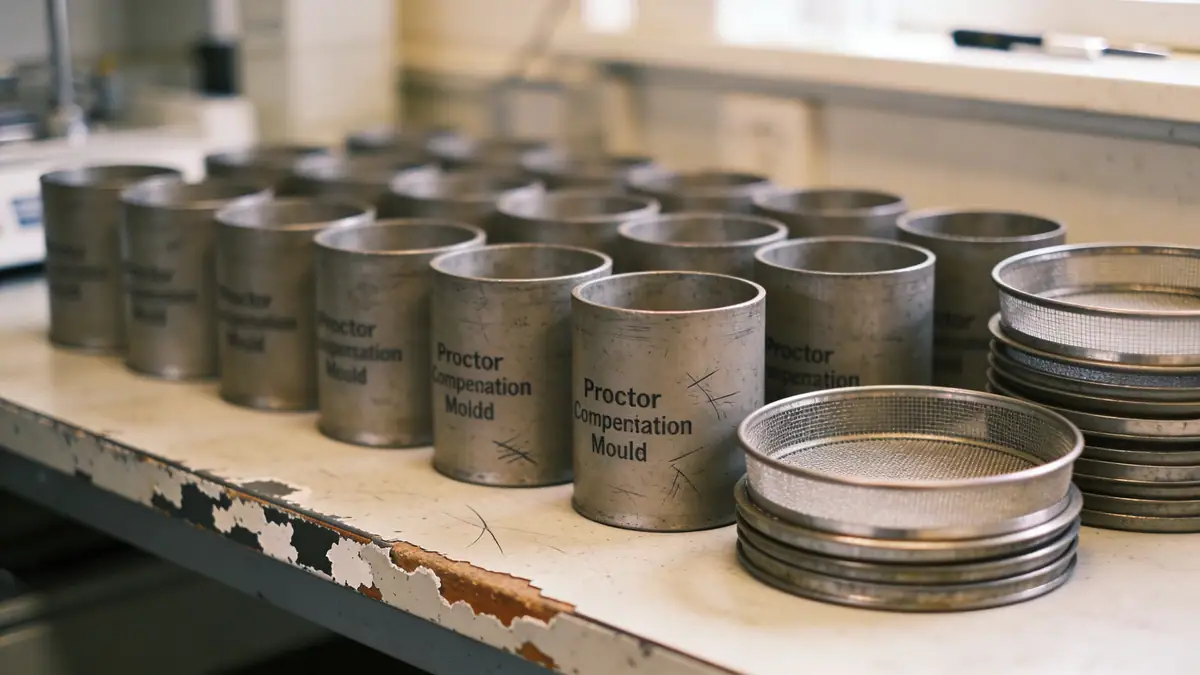
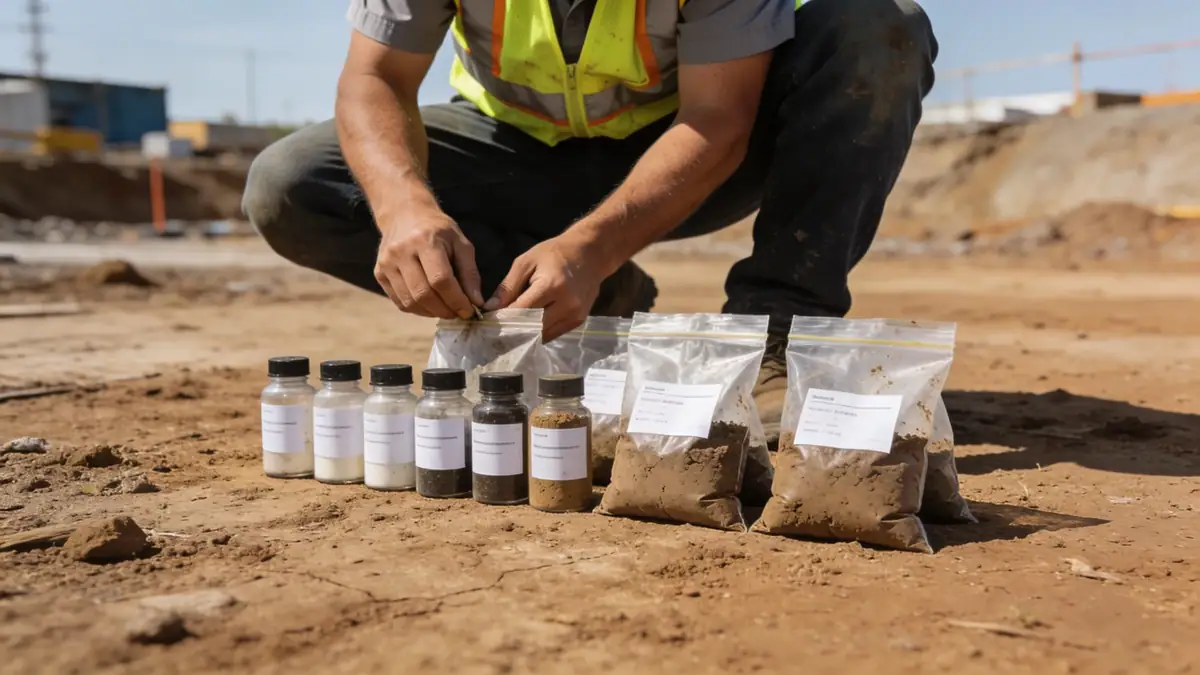
Our methodology for geotechnical engineering in Omaha follows a systematic, data-driven approach. Initial reconnaissance includes review of existing geologic maps and prior studies in the city. We then conduct field investigations, primarily using spt boring to sample soils at regular intervals per ASTM D1586. In-situ tests such as pocket penetrometer and vane shear are performed in cohesive soils. Laboratory testing on recovered samples includes moisture content, Atterberg limits, and unconfined compression. For seismic design, we evaluate site class per ASCE 7-16 using shear wave velocity correlations. All data are synthesized into a comprehensive report with foundation recommendations tailored to Omaha's loess and till conditions.
Reference Technical Parameters
| Parameter | Reference Value |
|---|---|
| Predominant soil type | Loess, glacial till, alluvium |
| Maximum seismic acceleration (PGA) | 0.15–0.25 g (IBC 2018) |
| Typical groundwater level | 3–10 m below grade |
| Bedrock depth | 10–30 m (Pennsylvanian limestone/shale) |
| Typical N60 range | 5–15 (loess), 20–50 (till) |
Local Considerations — Omaha
Omaha's geology is dominated by loess up to 15 m thick, underlain by glacial till and bedrock. Loess is collapsible when saturated, requiring mitigation such as deep foundations or soil improvement in areas like West Omaha. The water table is deep in upland areas but shallow near the Missouri River. Seismic hazard is moderate, with PGA up to 0.25 g per IBC 2018, necessitating site-specific response analysis for critical structures. Our team has addressed these challenges across the city, from the Old Market district (shallow groundwater) to new developments in the western suburbs. For comprehensive services, we also operate our soil mechanics laboratory in Omaha. Additional support is available from our geotechnical engineering en Chicago office.
Request a Quote
Our team reviews your project and issues an initial report at no cost.
Or write us directly at [email protected]
Services in Omaha
Applicable Standards
- ASTM D1586 (Standard Penetration Test)
- ASCE 7-16 (Minimum Design Loads for Buildings)
- IBC 2018 (International Building Code)
- ASTM D2487 (Soil Classification)
- Nebraska Department of Transportation Standard Specifications
Frequently Asked Questions
What are the typical soil conditions for geotechnical engineering in Omaha?
Omaha's soils are primarily loess (wind-deposited silt) and glacial till. Loess is collapsible and prone to settlement when wet, while till provides competent bearing. Alluvial sands and gravels are found along the Missouri River. Groundwater is typically deep except in river valleys.
What seismic design requirements apply in Omaha?
Omaha is in Seismic Design Category C per IBC 2018, with PGA of 0.15–0.25 g. Site class is determined per ASCE 7, often Class D (stiff soil). A site-specific response analysis may be required for Risk Category III or IV structures on soft soils.
Are geotechnical investigations mandatory for construction in Omaha?
Yes, the City of Omaha requires geotechnical reports for most building permits, especially for commercial and multi-family projects. Reports must address soil bearing capacity, settlement, groundwater, and seismic site class per IBC. Single-family homes may be exempt but recommended.