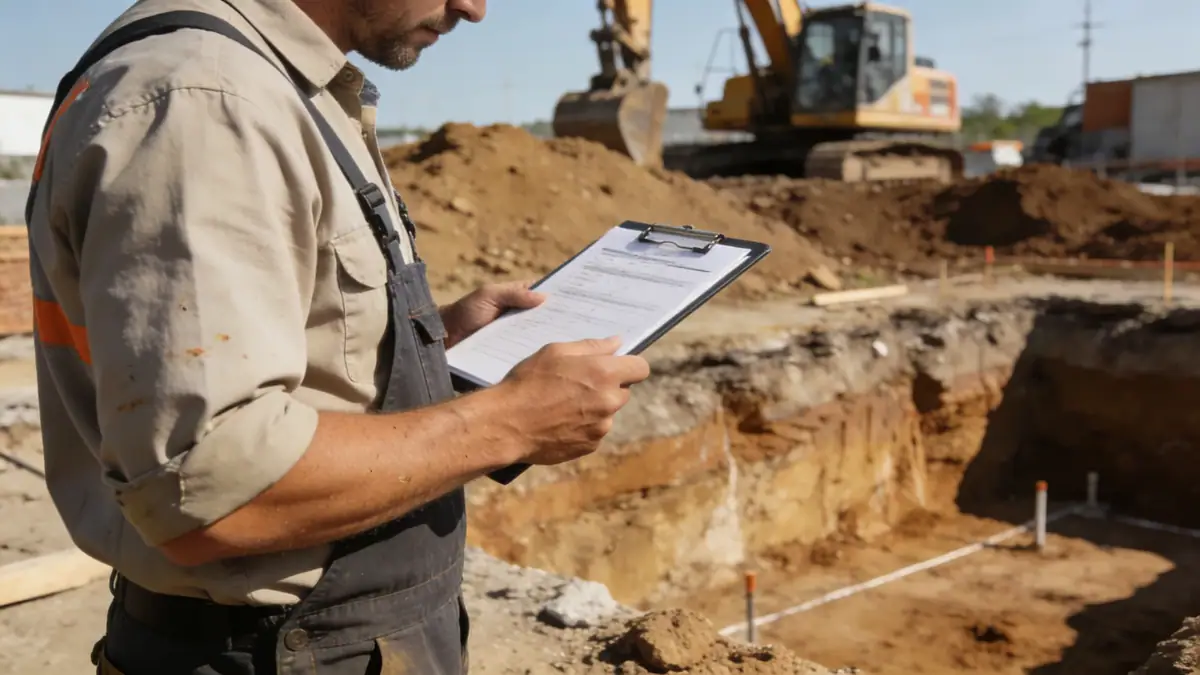
Methodology
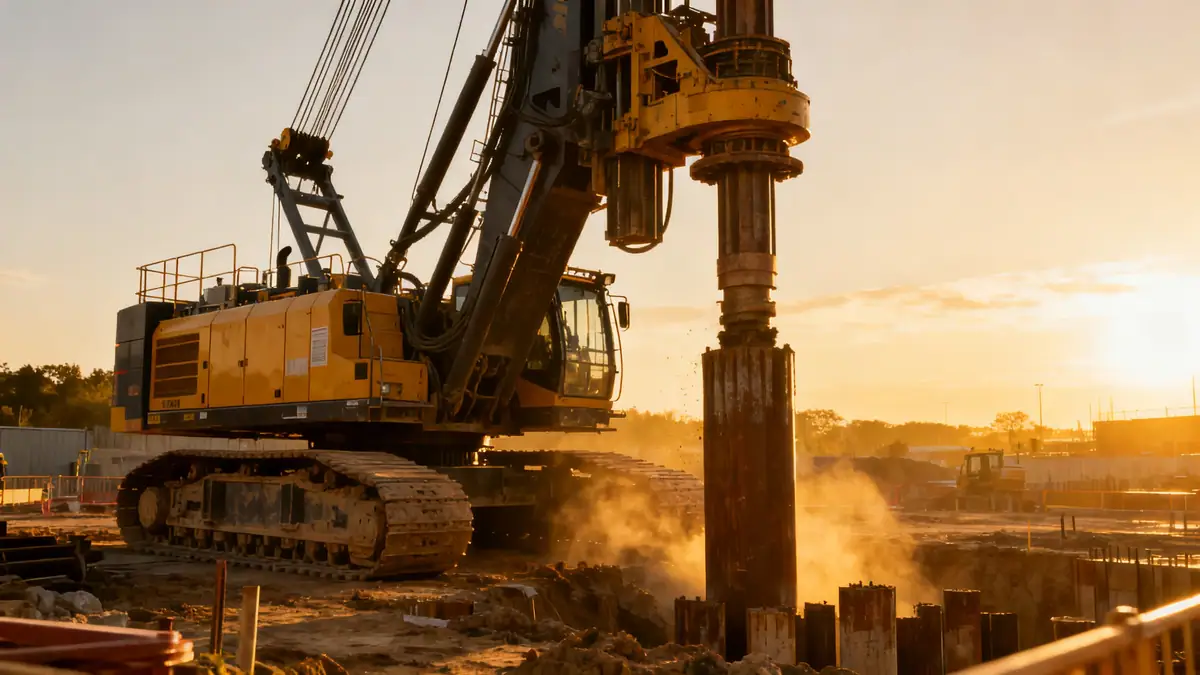
Our methodology begins with a thorough review of existing geological data and site history. We then conduct field investigations, including spt boring to obtain soil samples and measure resistance at depth, following ASTM D1586. Laboratory testing on retrieved samples determines key parameters such as grain size distribution, Atterberg limits, and shear strength. This data is integrated with local seismic hazard considerations per ASCE 7 to develop site-specific recommendations. Our approach ensures that foundation designs account for the variable soil conditions encountered in Aurora, from expansive clays to sandy deposits. We prioritize accuracy and reliability in every phase of the investigation.
Reference Technical Parameters
| Parameter | Reference Value |
|---|---|
| Predominant soil type | Clayey sands and silty clays |
| Maximum seismic acceleration (PGA) | 0.2g (ASCE 7) |
| Typical groundwater level | 3–6 m below surface |
| Bedrock depth | >30 m |
| Typical N60 range | 10–30 blows/0.3 m |
Local Considerations — Aurora
Aurora's geology is characterized by alluvial and glacial deposits, with clayey sands and silty clays prevalent across much of the city. Seasonal moisture changes can cause moderate shrink-swell behavior in finer soils, necessitating attention to foundation design. Groundwater levels are typically encountered at depths of 3 to 6 meters, though localized variations exist near waterways. The region's seismic hazard is moderate, with a maximum considered earthquake acceleration of 0.2g, requiring compliance with ASCE 7 for structural design. Older neighborhoods may have undocumented fill, while newer developments often require deeper foundations. Common challenges include differential settlement on variable soil profiles and mitigation of expansive soil effects. Our team provides tailored solutions for these conditions, drawing on our experience across the metropolitan area. For broader regional context, we coordinate with our geotechnical engineering team in Chicago.
Request a Quote
Our team reviews your project and issues an initial report at no cost.
Or write us directly at [email protected]
Services in Aurora
Applicable Standards
- ASTM D1586
- ASCE 7
- IBC (International Building Code)
- ASTM D2487 (Unified Soil Classification System)
Frequently Asked Questions
What soil types are commonly found in Aurora?
Aurora's soils are predominantly clayey sands and silty clays, with occasional sandy gravel layers. These soils derive from glacial and alluvial deposits, exhibiting moderate plasticity and variable bearing capacity depending on moisture content.
Are seismic considerations important for geotechnical engineering in Aurora?
Yes, Aurora is in a region of moderate seismic hazard. Geotechnical investigations must evaluate soil liquefaction potential and site amplification effects per ASCE 7. Proper seismic site classification is essential for structural design.
Do I need a geotechnical study for a residential project in Aurora?
While not always mandatory, a geotechnical study is highly recommended for residential projects to assess soil bearing capacity, shrink-swell potential, and drainage conditions. It helps prevent costly foundation issues and ensures compliance with local building codes.