Methodology
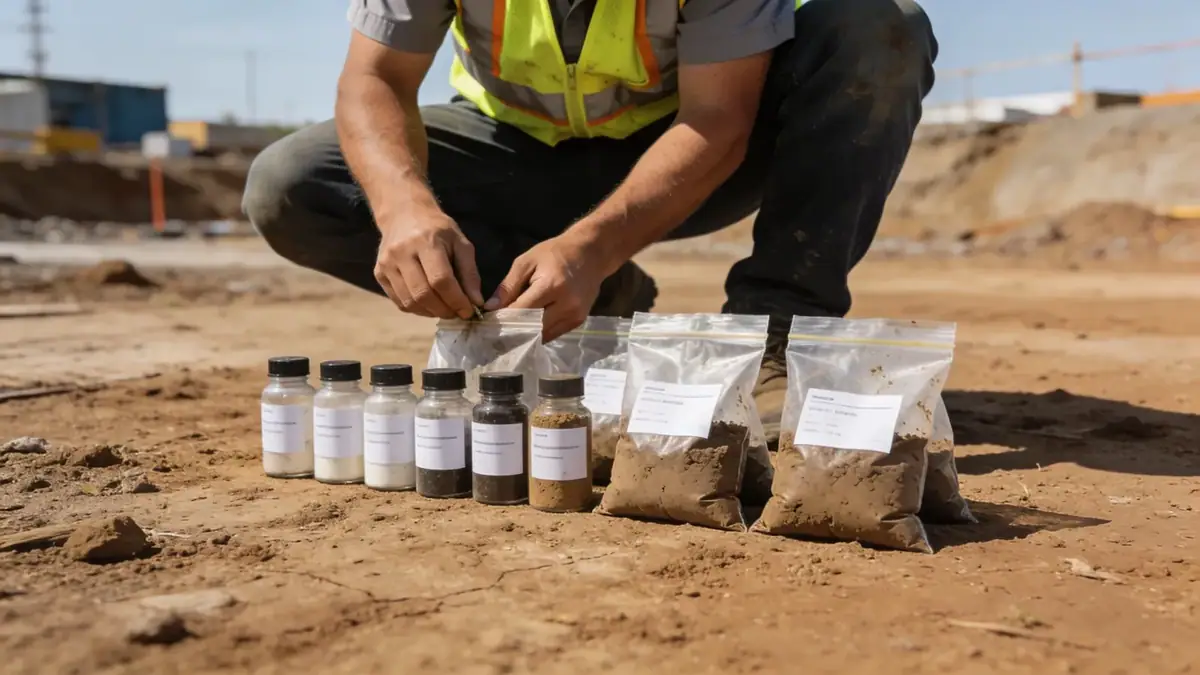
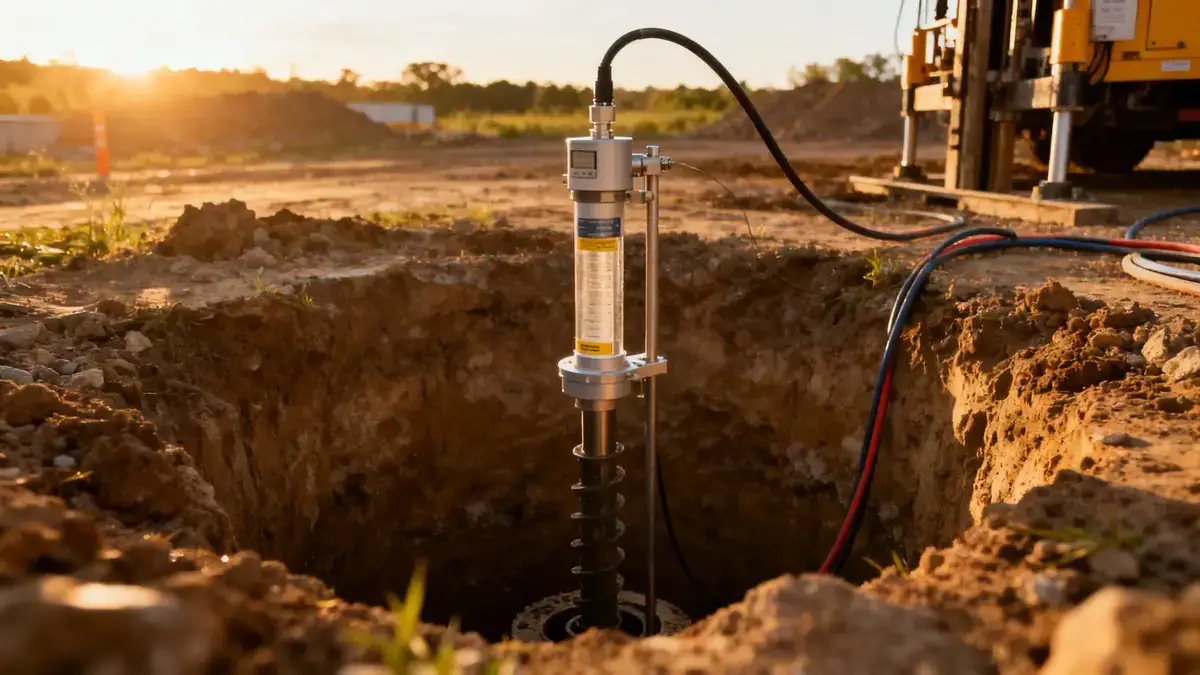
Our methodology for geotechnical engineering in Kansas City integrates field investigations, laboratory testing, and analytical modeling. Field programs typically involve spt boring to recover disturbed and undisturbed samples, allowing us to characterize soil stratigraphy and strength parameters. In our soil mechanics laboratory, we conduct classification tests, consolidation, and direct shear to determine engineering properties. All procedures follow ASTM D1586 for SPT and other relevant standards. Our approach is systematic: we first review existing geological maps, then design a subsurface exploration plan based on project scope. Data are interpreted to provide foundation recommendations, slope stability analyses, and seismic site classification, ensuring compliance with local codes.
Reference Technical Parameters
| Parameter | Reference Value |
|---|---|
| Predominant Soil Type | Glacial till (clay, silt, sand, gravel) over limestone/shale bedrock |
| Maximum Seismic Acceleration (PGA) | 0.10–0.15 g (ASCE 7 seismic design category B–C) |
| Typical Groundwater Level | 5–15 ft below grade, varying with season and proximity to Missouri River |
| Bedrock Depth | 20–60 ft in most areas; shallower in river bluffs |
| Typical N60 Range (SPT) | 10–40 blows/ft in glacial till; variable in alluvial deposits |
Local Considerations — Kansas City
Kansas City's geology is dominated by glacial till overlying Pennsylvanian-age limestone and shale, creating variable bearing conditions. West of the city, loess deposits present collapse potential under saturation. The Missouri River floodplain features alluvial sands and clays with high groundwater, requiring dewatering considerations. Seismic risk is moderate (PGA up to 0.15 g per ASCE 7), with site amplification possible in thick soil sequences. Our team integrates these factors into every project, referencing local case histories. For broader regional context, our geotechnical engineering in Chicago experience informs similar glacial terrain challenges. We also apply specialized slope stability analyses for the city's many cut-and-fill sites.
Request a Quote
Our team reviews your project and issues an initial report at no cost.
Or write us directly at [email protected]
Services in Kansas City
Applicable Standards
- ASTM D1586 (Standard Test Method for Standard Penetration Test (SPT))
- ASCE 7 (Minimum Design Loads and Associated Criteria for Buildings and Other Structures)
- International Building Code (IBC) 2021
- Kansas City Municipal Code (Chapter 25 – Building Regulations)
Frequently Asked Questions
What soil types are commonly encountered in Kansas City?
The predominant soil is glacial till, a heterogeneous mixture of clay, silt, sand, and gravel. In river valleys, alluvial deposits of sand and clay are common, while loess (windblown silt) is found in western areas. Bedrock consists of limestone and shale at depths of 20–60 feet.
How does seismic risk affect geotechnical engineering in Kansas City?
Kansas City is in seismic design category B to C per ASCE 7, with peak ground accelerations around 0.10–0.15 g. Site-specific studies evaluate liquefaction potential in saturated sands and soil amplification, which can modify design spectra. Our analyses follow IBC and ASCE 7 criteria.
Are geotechnical investigations mandatory for new construction in Kansas City?
While not always legally required for all structures, the Kansas City Building Code recommends geotechnical reports for buildings with high loads or challenging soils. Many local jurisdictions require subsurface exploration for commercial and multi-family projects to ensure safe foundation design.