Methodology
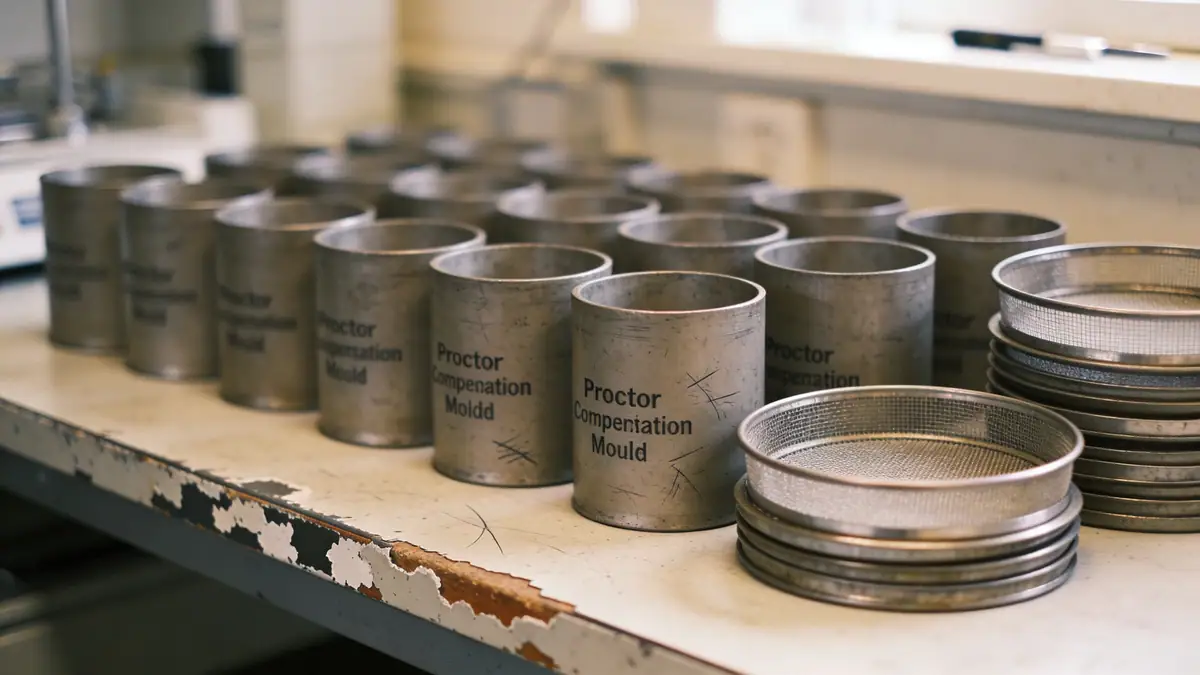
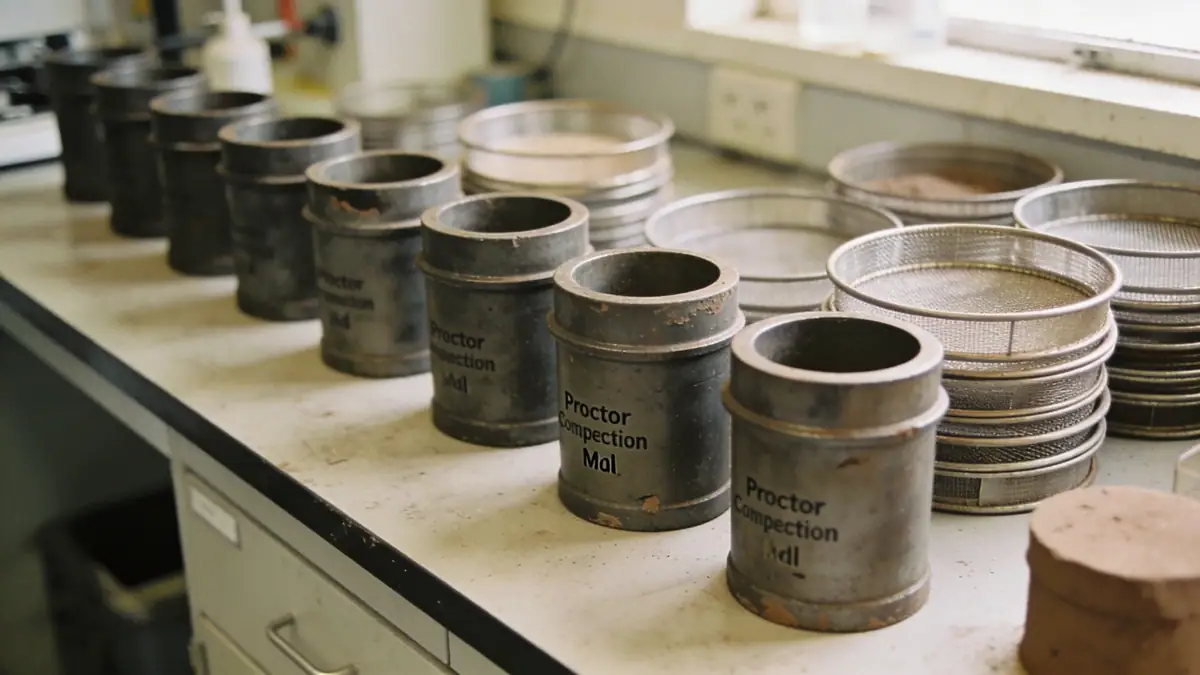
Our methodology for geotechnical engineering in Cincinnati begins with a detailed review of existing geological maps and historical subsurface data. We then design a site-specific exploration program, typically incorporating spt boring in accordance with ASTM D1586 to retrieve disturbed and undisturbed samples. Field testing includes standard penetration tests at 1.5-meter intervals to measure N60 values, supplemented by groundwater monitoring. In the laboratory, our team classifies soils using Atterberg limits and grain size analysis, while consolidation tests assess settlement potential. This integrated approach allows us to develop accurate soil profiles and provide reliable foundation recommendations for projects across Cincinnati.
Reference Technical Parameters
| Parameter | Reference Value |
|---|---|
| Predominant soil type | Glacial till and alluvial sands/clays |
| Maximum seismic acceleration (PGA) | 0.15g (ASCE 7-16, Site Class D) |
| Typical groundwater level | 3–6 meters below ground surface |
| Bedrock depth | 10–30 meters (Ordovician shale/limestone) |
| Typical N60 range (SPT) | 8–25 blows/0.3m (cohesionless soils) |
Local Considerations — Cincinnati
Cincinnati's geology is dominated by glacial deposits from the Wisconsinan glaciation, including till, outwash, and lacustrine clays, overlying Ordovician bedrock. The Ohio River Valley experiences seasonal groundwater fluctuations up to 2 meters, requiring careful dewatering plans. Seismic hazard is moderate, with a PGA of 0.15g per ASCE 7, necessitating liquefaction assessments in loose sands. Neighborhoods like Mount Adams and Price Hill exhibit steep slopes prone to instability, often requiring slope stability analyses. Our firm has addressed numerous cases of fill settlement in Over-the-Rhine and soft clay foundations in Anderson Township. For broader regional context, we collaborate with our geotechnical engineering en Chicago office to align with Midwestern best practices.
Request a Quote
Our team reviews your project and issues an initial report at no cost.
Or write us directly at [email protected]
Services in Cincinnati
Applicable Standards
- ASTM D1586 (Standard Penetration Test)
- ASCE 7-16 (Minimum Design Loads for Buildings)
- IBC 2021 (International Building Code)
- City of Cincinnati Building Code (Chapter 18, Soils and Foundations)
- ODOT Specifications for Geotechnical Investigations
Frequently Asked Questions
What are the typical soil conditions in Cincinnati?
Cincinnati's soils primarily consist of glacial till, alluvial sands, and clays. The till is dense but variable, while alluvial deposits along the Ohio River can be loose. Bedrock (shale and limestone) lies at depths of 10–30 meters, influencing foundation type selection.
Is a geotechnical study mandatory for construction in Cincinnati?
Yes, for most commercial and multi-family residential projects. The City of Cincinnati Building Code requires a geotechnical investigation to determine bearing capacity, settlement, and seismic site class. Single-family homes may be exempt if on undisturbed soil, but a study is strongly recommended.
How does seismic risk affect foundation design in Cincinnati?
Cincinnati is in Seismic Design Category B per ASCE 7, with a PGA of 0.15g. While not high, liquefaction potential in loose saturated sands and slope instability in hillside areas must be evaluated. Our analyses follow IBC provisions to ensure safe performance during rare seismic events.