Methodology
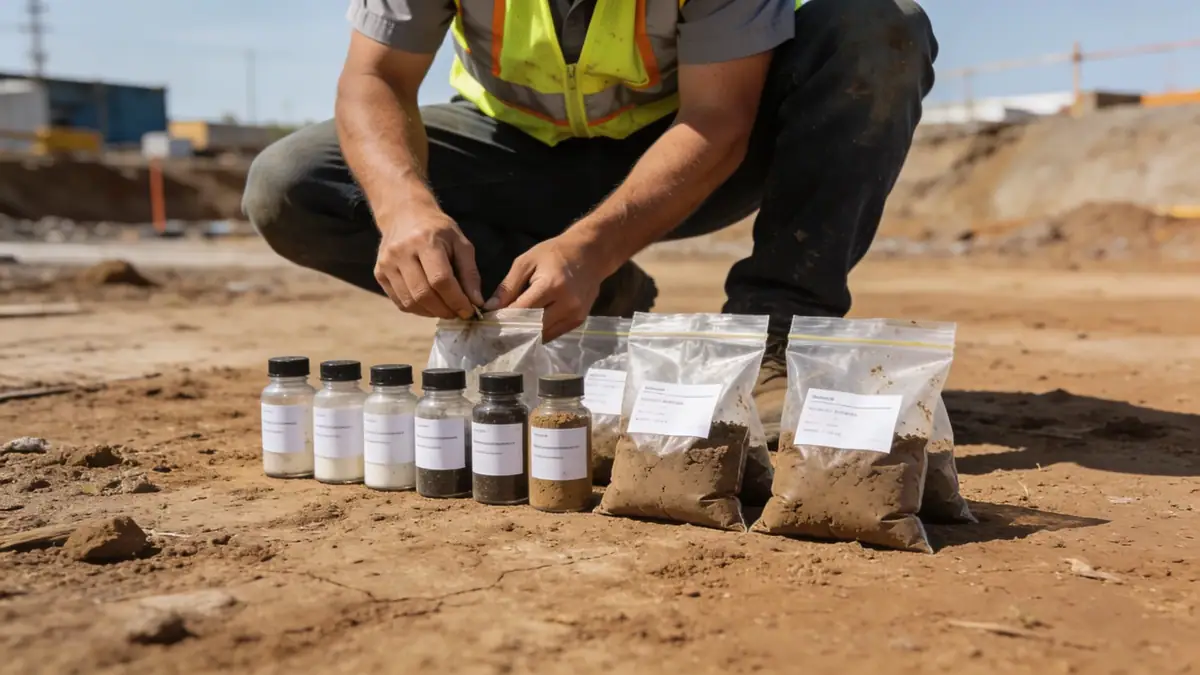
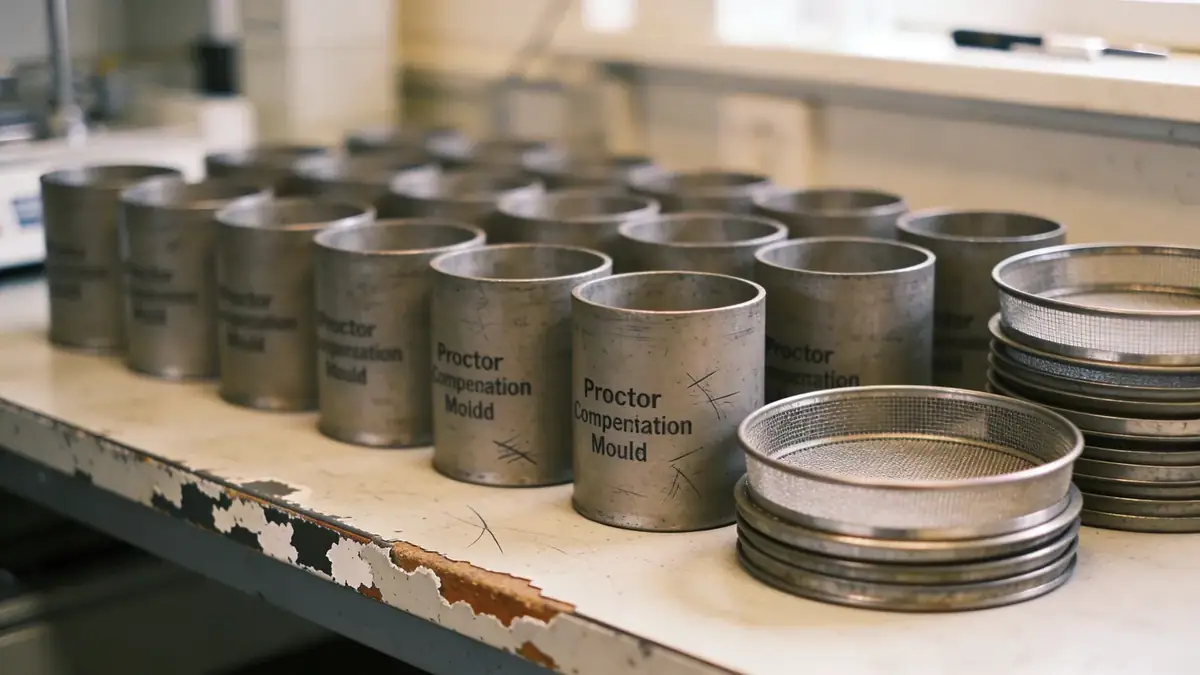
Our methodology in Surprise integrates field and laboratory investigations to characterize subsurface conditions. We conduct spt boring in accordance with ASTM D1586 to obtain soil samples and measure resistance at regular intervals. These borings are complemented by test pits and geophysical surveys to map stratigraphy and locate groundwater. Laboratory tests, including grain size analysis, Atterberg limits, and direct shear, are performed on representative samples. This data is synthesized into a geotechnical model that informs foundation design, slope stability, and earthwork recommendations. Our systematic approach ensures that every project benefits from rigorous data collection and analysis, reducing uncertainty in construction.
Reference Technical Parameters
| Parameter | Reference Value |
|---|---|
| Predominant soil type | Alluvial sands, silts, and gravels with variable clay content |
| Maximum seismic acceleration (PGA) | 0.30g (ASCE 7-16, Site Class D) |
| Typical groundwater level | Greater than 15 meters depth in most areas |
| Bedrock depth | Variable, typically 30 to 60 meters |
| Typical N60 range (SPT) | 5 to 30 blows per foot in surficial soils |
Local Considerations — Surprise Arizona
Surprise's geology is dominated by Quaternary alluvium from the White Tank Mountains, with occasional caliche layers. Expansive clays are present in localized areas, requiring swell-consolidation testing. Seismic design follows ASCE 7-16, with a maximum considered earthquake acceleration of 0.30g for Site Class D. Older neighborhoods (e.g., Sun City Grand) have looser fills, while newer subdivisions (e.g., Marley Park) often have engineered fills. Typical projects include single-family homes, multi-story buildings, and retaining walls. For broader regional context, our geotechnical engineering en Phoenix hub provides additional insights into the Maricopa County area, complementing our local expertise.
Request a Quote
Our team reviews your project and issues an initial report at no cost.
Or write us directly at [email protected]
Services in Surprise Arizona
Applicable Standards
- ASTM D1586 (Standard Penetration Test)
- ASCE 7-16 (Minimum Design Loads for Buildings and Other Structures)
- International Building Code (IBC) 2018
- City of Surprise Engineering Design Standards
- Arizona Department of Transportation (ADOT) Geotechnical Manual
Frequently Asked Questions
What soil types are common in Surprise, Arizona?
Surprise predominantly features alluvial sands, silts, and gravels deposited by ancient streams. These soils can be interbedded with clay lenses and caliche layers. The variability requires careful site-specific investigation to assess density, compressibility, and expansion potential.
Is seismic design required in Surprise?
Yes, Surprise is in a seismically active region due to nearby faults. The International Building Code requires seismic design per ASCE 7-16, with a maximum considered earthquake acceleration of 0.30g for Site Class D. Geotechnical reports must include site classification and liquefaction potential.
Are geotechnical studies mandatory for new construction in Surprise?
While not always legally required for all projects, most lenders and building officials recommend or require geotechnical investigations. The City of Surprise's Engineering Design Standards often mandate soil reports for subdivisions, retaining walls, and structures with specific load thresholds.