Methodology
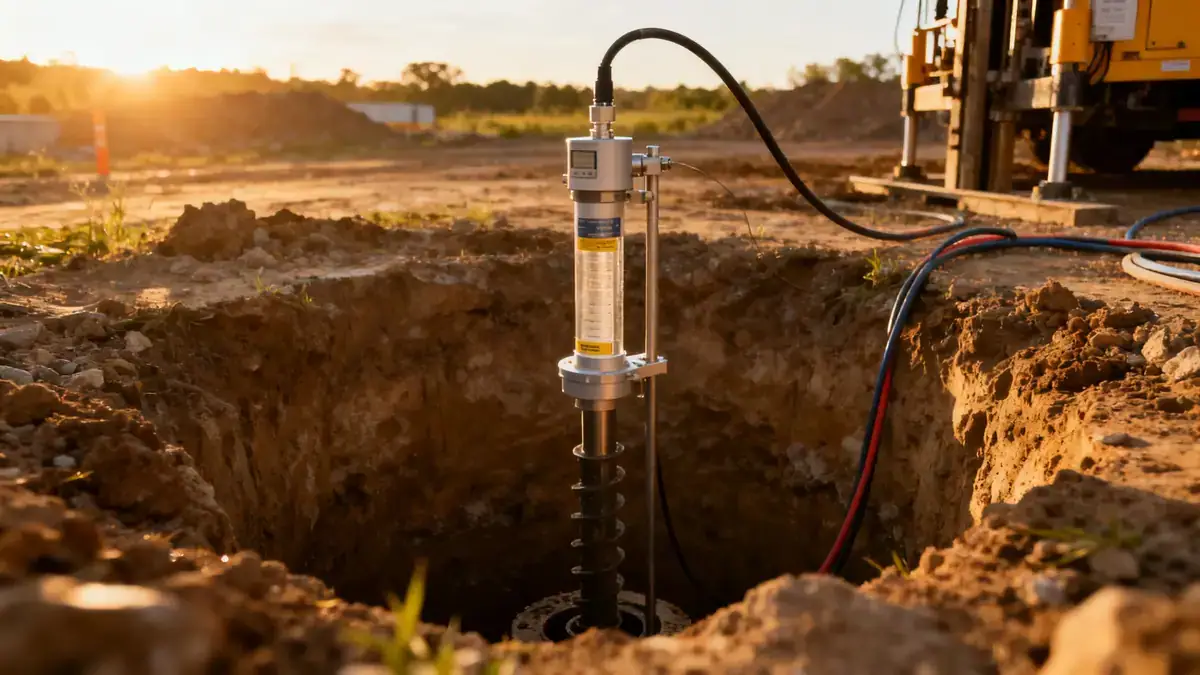
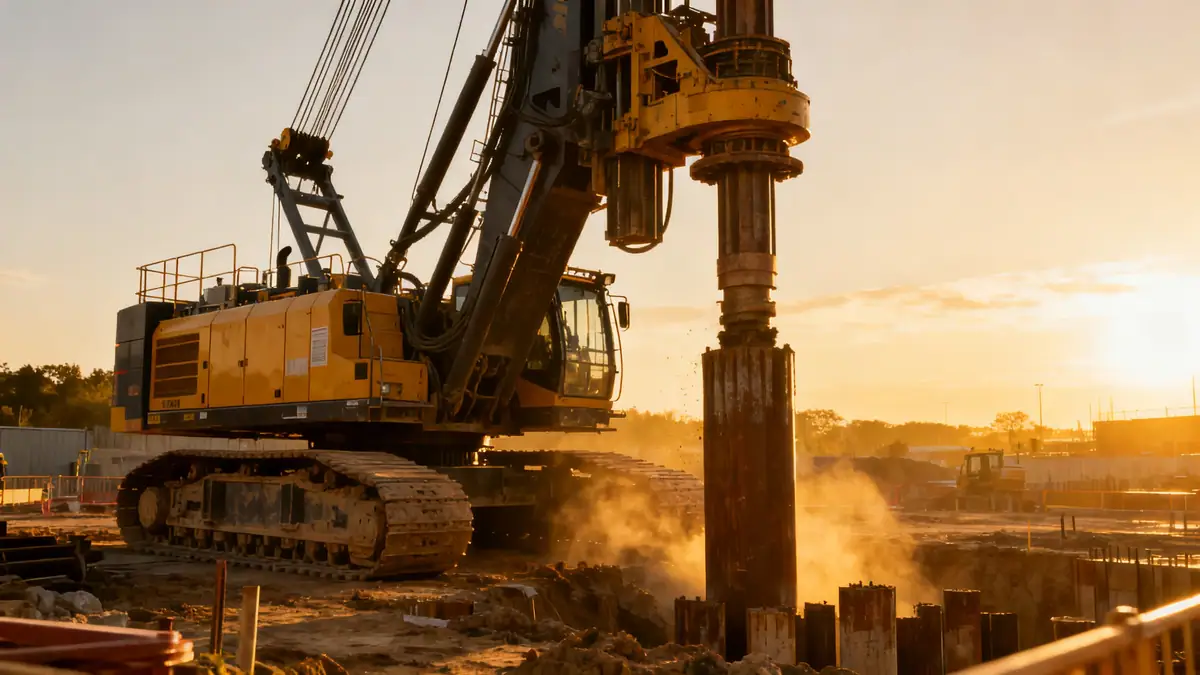
Our methodology for geotechnical engineering in Peoria Arizona integrates field exploration, laboratory testing, and engineering analysis. We perform SPT borings per ASTM D1586 at intervals of 1.5 m to characterize subsurface profiles, supplemented by soil mechanics laboratory tests for strength and consolidation parameters. For detailed profiling, we utilize continuous CPT soundings. This approach ensures robust data for foundation design, slope stability assessments, and earthwork recommendations. Our team tailors each investigation to Peoria's unique geological conditions, providing clients with actionable insights for safe and cost-effective construction.
Reference Technical Parameters
| Parameter | Reference Value |
|---|---|
| Predominant soil type | Silty sand and gravel (alluvial) |
| Maximum seismic acceleration (PGA) | 0.20g (ASCE 7-16 Site Class D) |
| Typical groundwater level | 10–30 m below grade |
| Bedrock depth | 15–50 m (granite and metamorphic) |
| Typical N60 range (SPT) | 10–50 blows/ft |
Local Considerations — Peoria Arizona
Peoria Arizona's subsurface is dominated by alluvial deposits of silty sand and gravel, with occasional clay layers. Groundwater is typically deep, reducing dewatering needs but requiring careful consideration for deep foundations. Seismic design per ASCE 7-16 Site Class D is mandatory due to moderate seismicity. The city's expansion has led to increased demand for retaining wall design in hilly subdivisions. Our team references local experience to address collapsible soils and variable bedrock depths. For projects requiring regional support, our work is coordinated from our main hub: geotechnical engineering en Phoenix.
Request a Quote
Our team reviews your project and issues an initial report at no cost.
Or write us directly at [email protected]
Services in Peoria Arizona
Applicable Standards
- ASTM D1586
- ASCE 7-16
- IBC 2021
- City of Peoria Engineering Design Standards
Frequently Asked Questions
What are the typical soil conditions in Peoria Arizona?
Soils in Peoria are predominantly alluvial silty sands and gravels, with occasional clay lenses. Groundwater is generally deep (>10 m), and bedrock depth varies from 15 to 50 m. These conditions influence foundation selection and earthwork design.
Are geotechnical studies mandatory for construction in Peoria?
Yes, the City of Peoria requires geotechnical investigations for most new structures, especially those with shallow foundations or retaining walls. Compliance with IBC 2021 and local amendments ensures safety and reduces liability.
How does seismic hazard affect geotechnical design in Peoria?
Peoria lies in a moderate seismic zone with a PGA of 0.20g per ASCE 7-16. Site-specific response analysis is recommended for critical structures. Liquefaction potential is low due to deep groundwater, but dynamic settlement must be evaluated.