Methodology
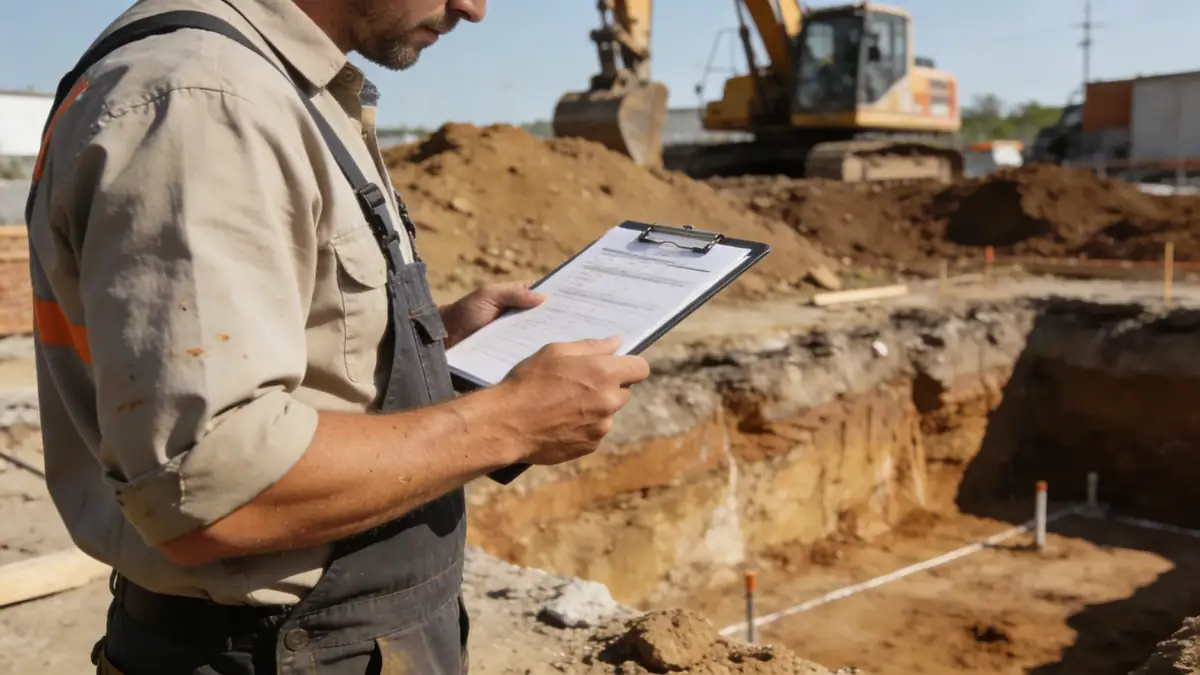
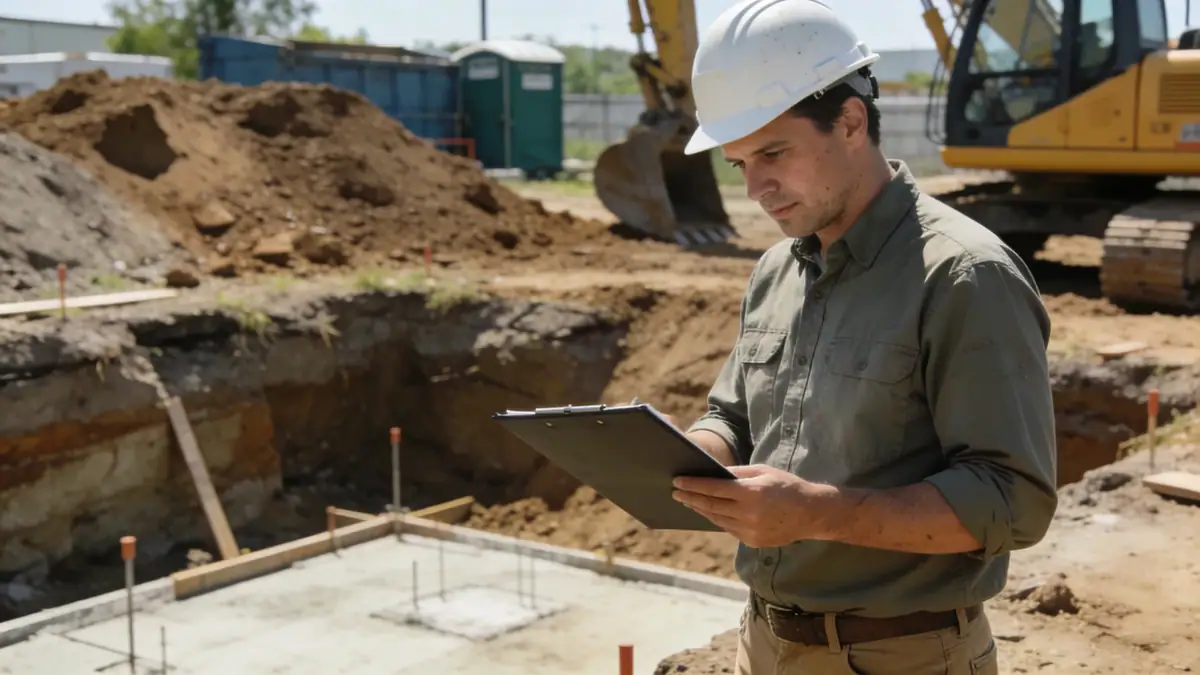
Our methodology for geotechnical engineering in Tucson begins with a thorough review of existing geologic maps and nearby project records. We then conduct a subsurface exploration program tailored to the site, which typically includes spt boring at intervals of 1.5 to 3 meters to depths of 10 to 30 meters, depending on design loads. Standard Penetration Tests (SPT) per ASTM D1586 provide N-values used for bearing capacity and liquefaction assessment. Soil samples are classified per the Unified Soil Classification System (USCS) and tested for moisture content, density, and strength. For critical structures, we install piezometers to monitor groundwater levels. All data are integrated into a geotechnical report with foundation recommendations, seismic site classification (Site Class C or D typical), and construction considerations.
Reference Technical Parameters
| Parameter | Reference Value |
|---|---|
| Predominant soil type | Alluvial sands, gravels, silts; localized expansive clays |
| Maximum seismic acceleration (PGA) | 0.3g (ASCE 7, Site Class D) |
| Typical groundwater level | 10–50 m deep; shallower (<5 m) near Santa Cruz River |
| Bedrock depth | 30–100 m (basin fill over bedrock) |
| Typical N60 range (SPT) | 10–50 blows/ft; variable with depth and location |
Local Considerations — Tucson
Tucson's geotechnical landscape is shaped by its basin-and-range structure. The city lies within the Tucson Basin, filled with up to 1,000 m of alluvial deposits. Five key considerations guide our work: (1) Collapsible soils are common in the basin margins; pre-wetting or deep foundations may be required. (2) Expansive clays occur in the Catalina Foothills, necessitating moisture control and special foundation design. (3) Seismic site response varies due to basin edge effects; we perform site-specific response analyses per ASCE 7. (4) Groundwater is deep in most areas but can be shallow near streams, affecting excavation. (5) Local jurisdictions adopt the International Building Code with Tucson-specific amendments. For projects requiring regional perspective, we coordinate with our geotechnical engineering in Phoenix team.
Request a Quote
Our team reviews your project and issues an initial report at no cost.
Or write us directly at [email protected]
Services in Tucson
Applicable Standards
- ASTM D1586 (Standard Penetration Test)
- ASTM D2487 (USCS Classification)
- ASCE 7 (Minimum Design Loads, including seismic)
- International Building Code (IBC) with Tucson amendments
- ASTM D2435 (One-Dimensional Consolidation)
Frequently Asked Questions
What are the typical soil types encountered in Tucson?
Tucson's soils are primarily alluvial sands, gravels, and silts deposited by ancient rivers. In the foothills, residual soils and colluvium with expansive clays are common. Collapsible soils are found in the basin margins. Understanding these variations is critical for foundation design.
Does Tucson have specific seismic design requirements?
Yes, Tucson is in a moderate seismic zone. The design PGA per ASCE 7 is approximately 0.3g for Site Class D. Local building codes require site-specific seismic analysis for certain structures. Our team evaluates liquefaction potential and site amplification using subsurface data.
When is a geotechnical study required in Tucson?
Most new construction and significant additions require a geotechnical investigation per the International Building Code. The city of Tucson may also require reports for hillside development, expansive soil sites, or seismic risk mitigation. Early consultation helps streamline approvals.