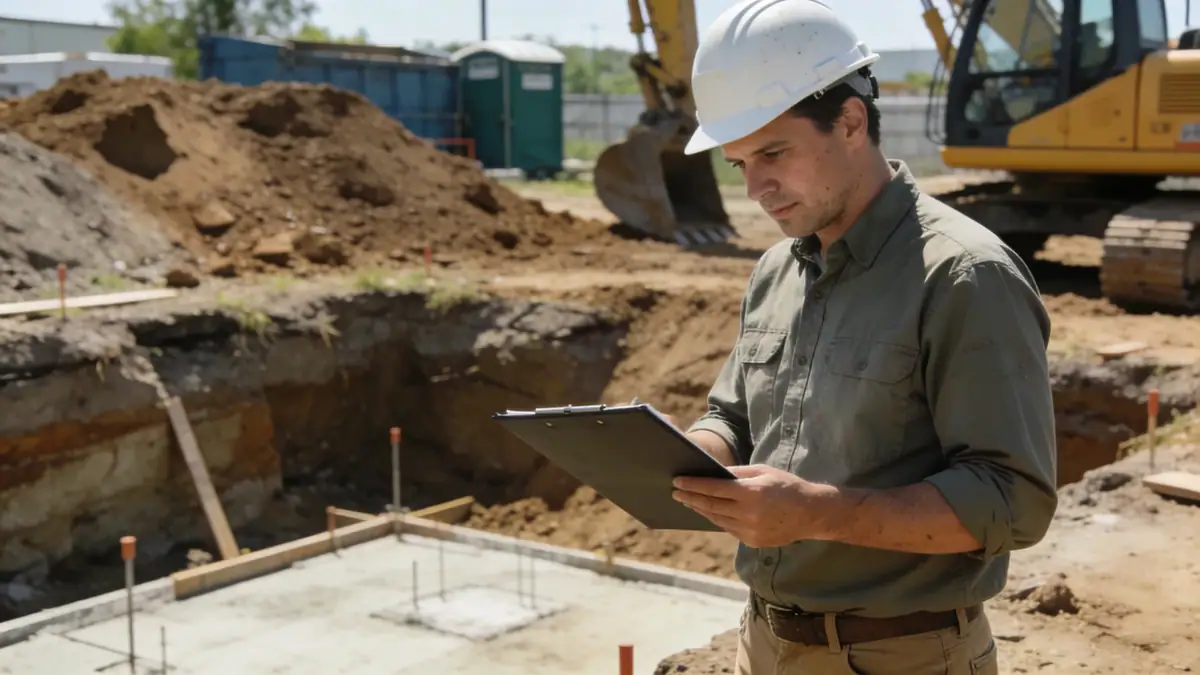
Methodology
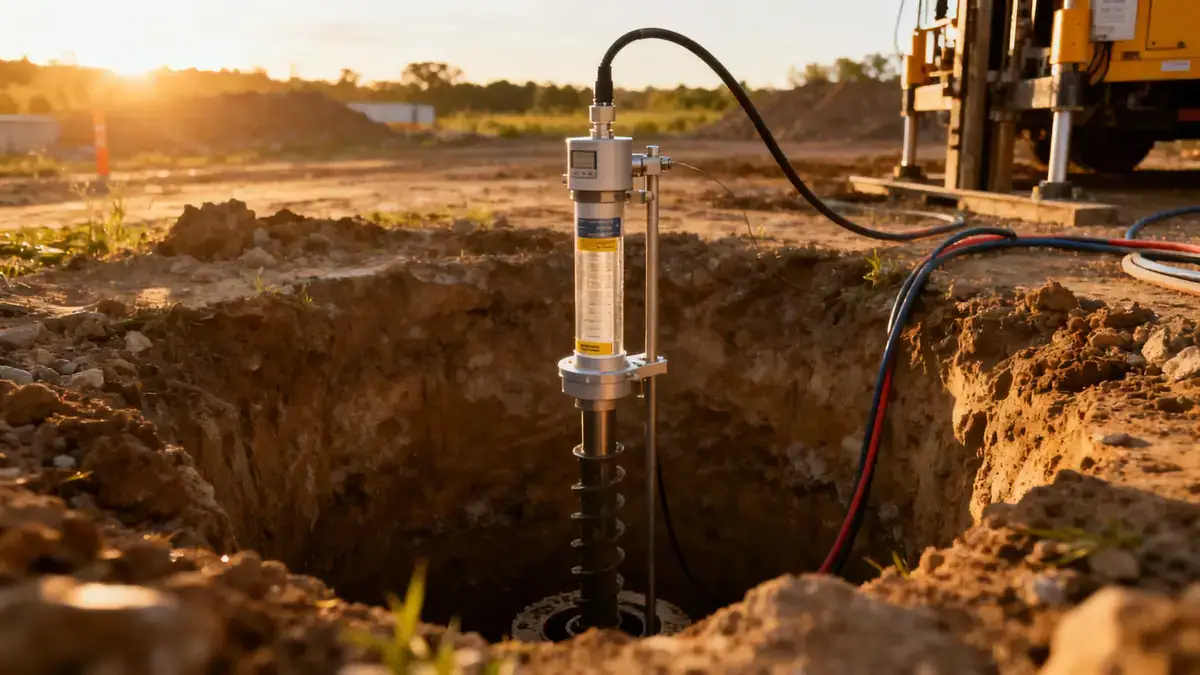
Our methodology for geotechnical engineering in Glendale Arizona begins with a thorough review of existing geologic maps and nearby project data. We then conduct field investigations including spt boring to obtain soil samples and measure resistance. Laboratory testing follows, focusing on index properties, strength, and consolidation characteristics. We analyze data using established correlations and computer modeling to develop site-specific recommendations. This systematic approach ensures that all subsurface conditions are captured, from shallow fill to deeper alluvial deposits, allowing us to provide reliable design parameters for foundations, slabs, and earthworks in Glendale Arizona.
Reference Technical Parameters
| Parameter | Reference Value |
|---|---|
| Predominant soil type | Silty sand (SM) and clayey sand (SC) with gravel lenses |
| Maximum seismic acceleration (PGA) | 0.28g (ASCE 7-16 Site Class D) |
| Typical groundwater level | 15–25 m below ground surface |
| Bedrock depth | >100 m (deep alluvial basin) |
| Typical N60 range | 10–30 blows/300 mm (in cohesionless layers) |
Local Considerations — Glendale Arizona
Glendale's subsurface is dominated by alluvial fan deposits from the White Tank and Phoenix Mountains. These soils are typically silty sands and gravels with variable clay content. Expansive clay layers are common in some areas, requiring special attention for slab-on-grade foundations. The groundwater table is deep (15–25 m), but local perched zones can occur near irrigation canals. Seismic hazard is moderate, with peak ground acceleration of 0.28g. Our team integrates these factors into every project, whether for residential subdivisions or commercial structures. For broader context, see our geotechnical engineering in Phoenix hub.
Request a Quote
Our team reviews your project and issues an initial report at no cost.
Or write us directly at [email protected]
Services in Glendale Arizona
Applicable Standards
- ASTM D1586 (Standard Penetration Test)
- ASCE 7-16 (Minimum Design Loads for Buildings)
- IBC 2018 (International Building Code)
- City of Glendale Engineering Design Standards
Frequently Asked Questions
What soil types are typical for geotechnical engineering in Glendale Arizona?
Glendale's soils are predominantly alluvial, including silty sands (SM), clayey sands (SC), and poorly graded sands (SP). Expansive clays (CH) are found locally. These soils require careful evaluation for foundation support and seismic site classification per ASCE 7.
What seismic design criteria apply in Glendale Arizona?
Glendale is in Seismic Design Category B to C per IBC 2018, with a peak ground acceleration (PGA) of 0.28g for Site Class D. Engineers must consider soil amplification effects, especially where soft clays or loose sands are present, following ASCE 7-16 Chapter 20.
Are geotechnical studies mandatory for construction in Glendale Arizona?
Yes, the City of Glendale requires a geotechnical investigation for most new buildings, additions, and retaining walls over 4 feet in height. Reports must follow IBC and local standards, addressing bearing capacity, settlement, and expansive soil mitigation.