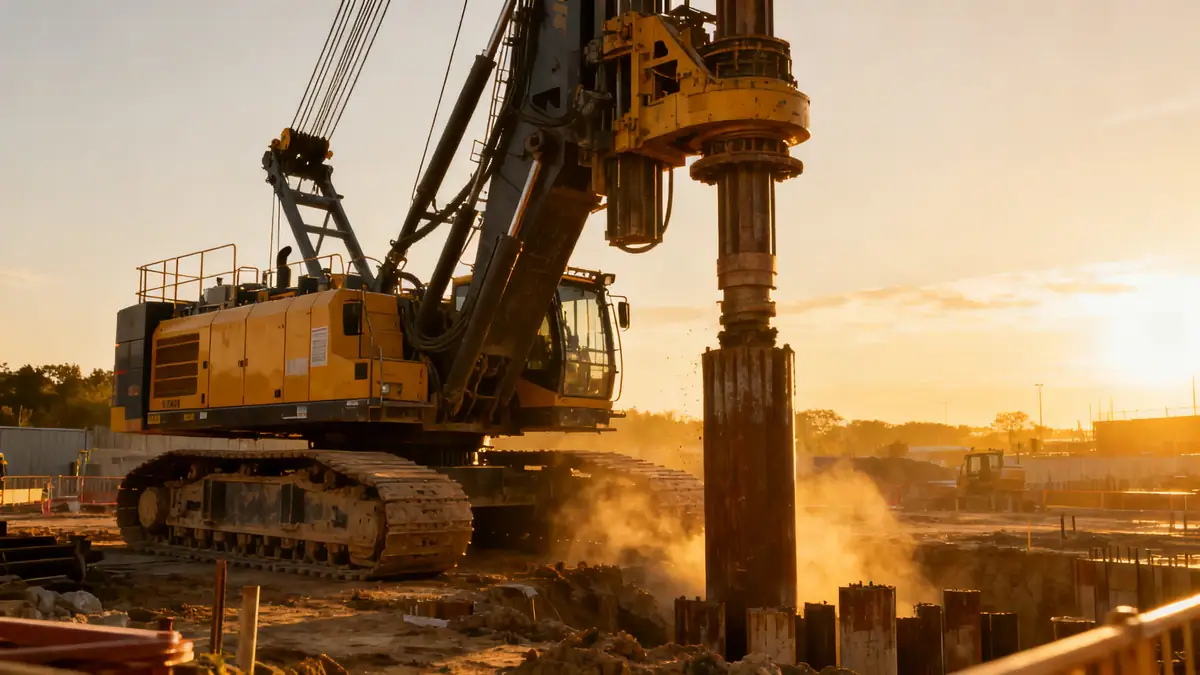
Methodology
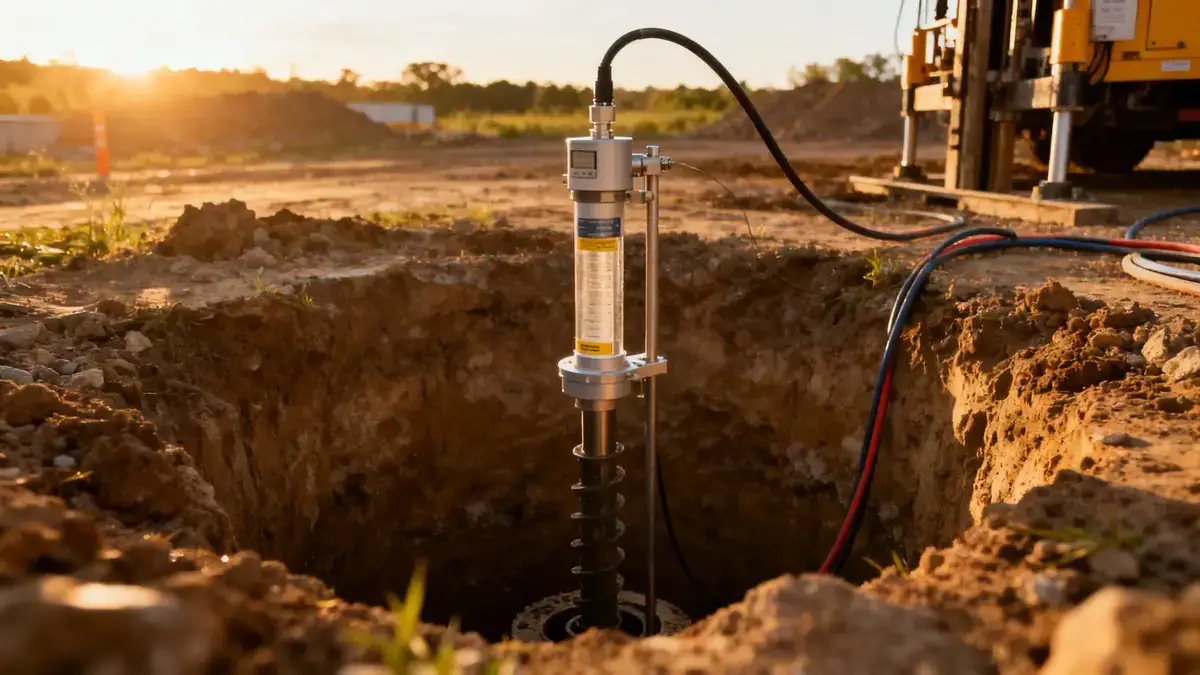
Our methodology for geotechnical engineering in Tempe Arizona begins with a thorough review of existing geologic maps and seismic hazard data. We conduct field investigations using techniques such as spt boring to characterize soil strata and groundwater conditions. Samples are tested in our soil mechanics laboratory for index properties, strength, and consolidation parameters. Analysis follows ASCE 7 seismic provisions and local building codes to design safe foundations and earthworks.
Reference Technical Parameters
| Parameter | Reference Value |
|---|---|
| Predominant soil type | Alluvial sands and silty clays (USC: SM, CL) |
| Maximum seismic acceleration (PGA) | 0.20g to 0.30g (ASCE 7 Site Class D) |
| Typical groundwater level | 10 to 30 feet below grade |
| Bedrock depth | >100 feet (deep alluvium) |
| Typical N60 range (SPT) | 5 to 40 blows/ft |
Local Considerations — Tempe Arizona
Tempe's geology consists of deep alluvial deposits from the Salt River, with variable layers of sand, silt, and clay. Groundwater is shallow in areas near the river, requiring dewatering or waterproofing for below-grade structures. Seismic site class is typically D, with PGA values up to 0.30g. Neighborhoods north of US 60 generally have denser soils, while southern areas near South Mountain may encounter colluvium. Common projects include high-rise student housing near Arizona State University and commercial developments along the I-10 corridor. For regional context, our geotechnical engineering team in Phoenix provides additional coverage across the Valley.
Request a Quote
Our team reviews your project and issues an initial report at no cost.
Or write us directly at [email protected]
Services in Tempe Arizona
Applicable Standards
- ASCE 7-16 Minimum Design Loads for Buildings and Other Structures
- International Building Code (IBC) 2021
- ASTM D1586 Standard Test Method for Standard Penetration Test (SPT)
- ASTM D2487 Classification of Soils for Engineering Purposes
- City of Tempe Grading and Drainage Ordinance
Frequently Asked Questions
What are the typical soil conditions for construction in Tempe Arizona?
Soils in Tempe are predominantly alluvial sands and silty clays, with variable density and plasticity. Groundwater can be encountered at depths of 10–30 feet, and expansive clays may be present in certain areas, requiring specific foundation designs.
Is a geotechnical study mandatory for building permits in Tempe?
Yes, the City of Tempe requires a geotechnical report for most new construction and major renovations, especially for structures with foundations, retaining walls, or significant earthwork. The report must address soil bearing capacity, settlement, and seismic considerations.
How does seismic activity affect foundation design in Tempe?
Tempe lies in a seismically active region with PGA values up to 0.30g. Foundations must be designed per ASCE 7 for Site Class D, considering liquefaction potential in loose saturated sands and lateral spreading near waterways.