Methodology
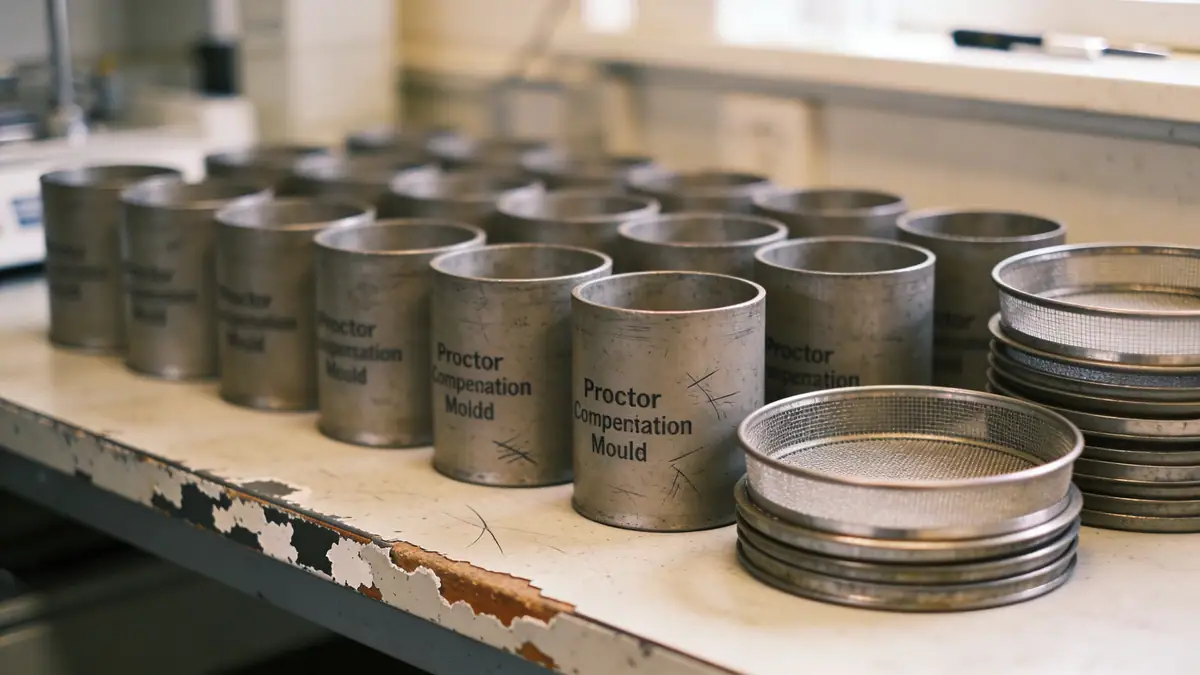
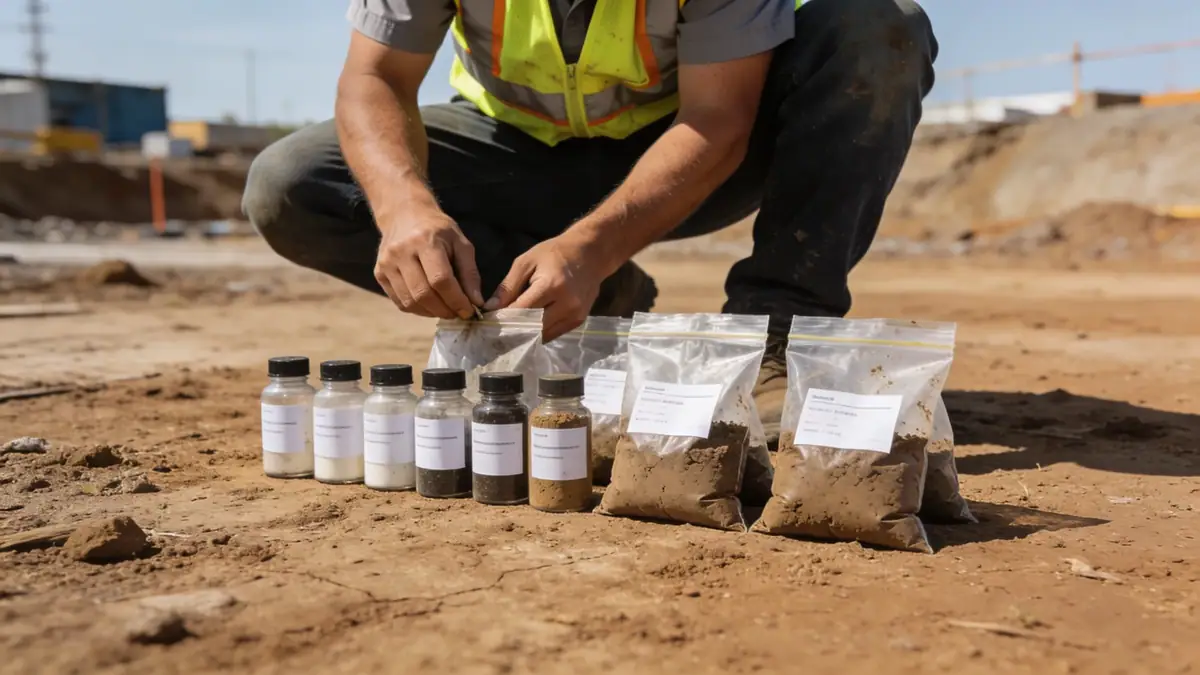
Our methodology for geotechnical engineering in El Paso begins with a comprehensive review of existing geological maps and subsurface data. We then conduct field investigations using methods such as spt boring to obtain soil samples at regular intervals, typically every 1.5 meters per ASTM D1586. In the laboratory, we perform index property tests, strength tests, and consolidation analyses to characterize soil behavior. This data informs our foundation recommendations and slope stability assessments, ensuring designs are tailored to El Paso's unique ground conditions.
Reference Technical Parameters
| Parameter | Reference Value |
|---|---|
| Predominant soil type | Alluvial sands, silts, clays, and caliche layers |
| Maximum seismic acceleration (PGA) | 0.2g to 0.3g (ASCE 7-22 Site Class D) |
| Typical groundwater level | 10 to 30 meters depth (variable near Rio Grande) |
| Bedrock depth | 100 to 300 meters (deep sedimentary basin) |
| Typical N60 range | 10 to 40 blows per 0.3 m (sands and silts) |
Local Considerations — El Paso
El Paso's geology is dominated by alluvial deposits from the Rio Grande, with caliche layers and occasional clay lenses. Expansive soils are common in certain areas, requiring careful evaluation per ASTM D4829. Seismic hazard is moderate, with peak ground accelerations up to 0.3g per ASCE 7-22, necessitating site-specific response spectra for critical structures. In lower valley zones, high groundwater levels can impact excavation and foundation design. Our team coordinates with local authorities to address these challenges, leveraging expertise from our geotechnical engineering en Phoenix hub for regional consistency.
Request a Quote
Our team reviews your project and issues an initial report at no cost.
Or write us directly at [email protected]
Services in El Paso
Applicable Standards
- ASTM D1586
- ASCE 7-22
- Texas Administrative Code Title 16, Part 1, Chapter 61
- IBC 2024 (International Building Code)
- ASTM D2487 (Unified Soil Classification System)
Frequently Asked Questions
What are the common soil types encountered in El Paso?
El Paso's subsurface typically consists of alluvial sands, silts, and clays, often with cemented caliche layers. Expansive clay soils are present in some areas, requiring special foundation design to mitigate swelling and shrinkage.
How does seismic design apply to geotechnical engineering in El Paso?
El Paso is in Seismic Design Category D per ASCE 7-22, with peak ground accelerations up to 0.3g. Site-specific seismic hazard analyses are often required for essential facilities to determine soil amplification and liquefaction potential.
Are geotechnical studies mandatory for construction in El Paso?
While not always legally required for all projects, most local building departments strongly recommend or require geotechnical investigations for commercial and multi-family developments. Lenders and insurers also often mandate them to manage risk.