Methodology
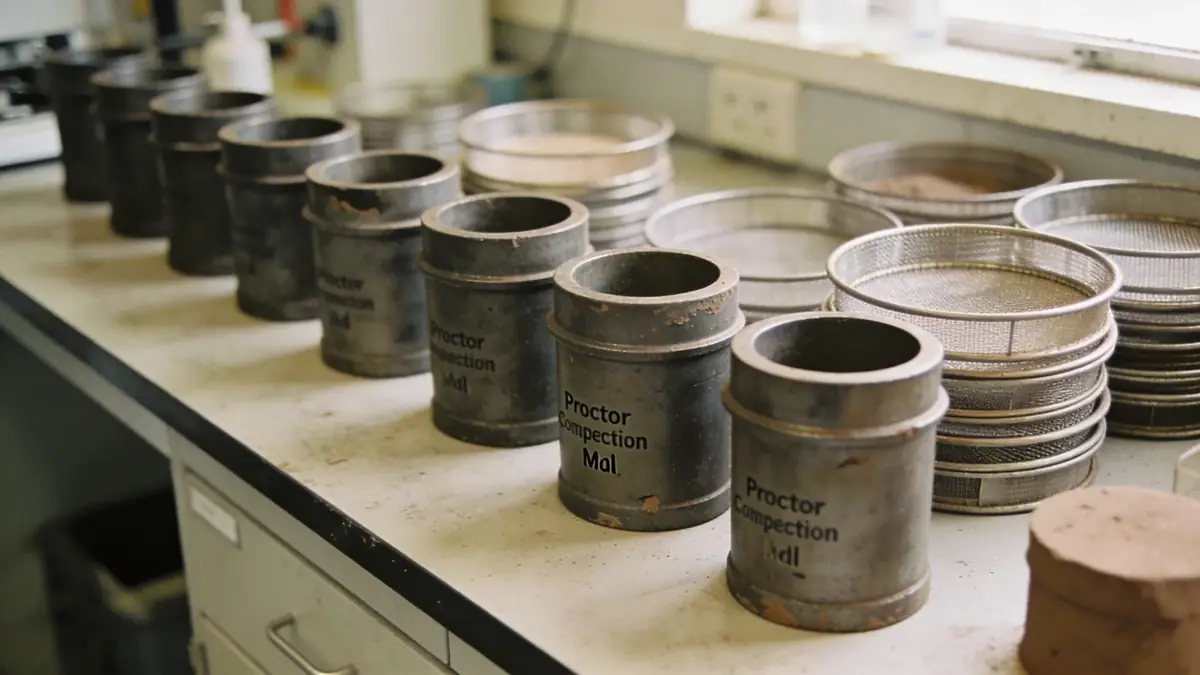
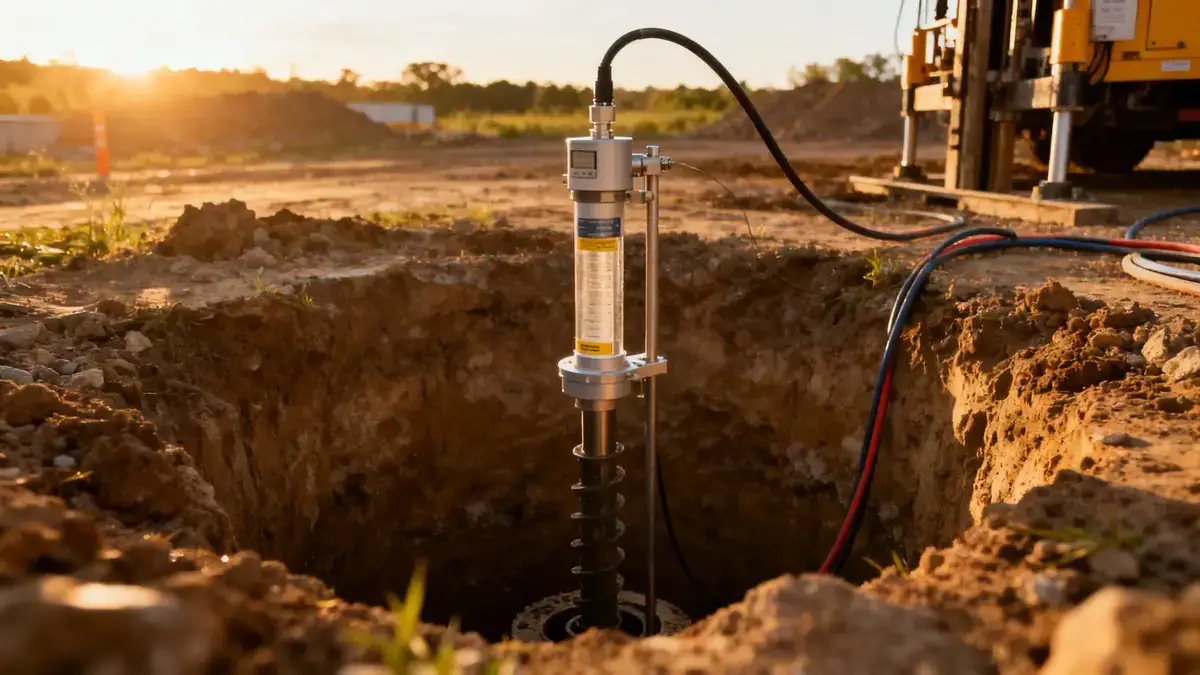
Our methodology for geotechnical engineering in Mesa begins with a comprehensive review of regional geology and existing borehole data. We then perform targeted field investigations, including standard penetration testing (SPT) per ASTM D1586, to characterize subsurface stratigraphy and obtain soil samples for laboratory analysis. Typical SPT blow counts (N60) in Mesa range from 10 to 50 blows per foot, reflecting variable densities of sands and gravels. Groundwater levels are measured during drilling, often encountered at depths exceeding 20 feet in most areas. Laboratory tests—such as grain size distribution, Atterberg limits, and direct shear—are conducted to classify soils and determine engineering parameters. For critical structures, we may recommend advanced in-situ testing like cone penetration testing (CPT) or geophysical surveys. Our final reports present site-specific recommendations for foundation type, bearing capacity, settlement estimates, and seismic design parameters, all tailored to Mesa’s regulatory framework.
Reference Technical Parameters
| Parameter | Reference Value |
|---|---|
| Predominant soil type | Silty sands (SM) and poorly graded sands (SP) with gravel, overlying clayey sands (SC) and clay (CL) |
| Maximum seismic acceleration (PGA) | 0.32g for MCE (ASCE 7-16, Site Class D) |
| Typical groundwater level | 30–50 feet below ground surface (varies seasonally) |
| Bedrock depth | 200–500 feet (deep alluvial basin) |
| Typical N60 range (0–30 ft) | 10–40 blows per foot (loose to dense sands) |
Local Considerations — Mesa
Mesa’s geology is dominated by alluvial deposits from the Salt River, resulting in heterogeneous soil profiles with lenses of sand, silt, and clay. Collapsible soils are common in the eastern parts of the city, requiring careful moisture conditioning during compaction. The region lies in Seismic Zone 2B per IBC 2018, with peak ground accelerations up to 0.32g, necessitating site-specific response spectra for essential facilities. Groundwater is generally deep (>30 ft), but localized perched water can occur near irrigation canals. Expansive clays are present in areas like the Fiesta District, demanding specialized foundation design. For a broader regional context, our team leverages insights from our geotechnical engineering in Phoenix practice, adapting methodologies to Mesa’s unique conditions. We also coordinate with local municipalities to ensure compliance with Mesa’s grading and drainage ordinances.
Request a Quote
Our team reviews your project and issues an initial report at no cost.
Or write us directly at [email protected]
Services in Mesa
Applicable Standards
- ASTM D1586 (Standard Penetration Test)
- ASCE 7-16 (Minimum Design Loads and Associated Criteria for Buildings and Other Structures)
- IBC 2018 (International Building Code)
- ACI 318-19 (Building Code Requirements for Structural Concrete)
- City of Mesa Grading and Drainage Ordinance
Frequently Asked Questions
What are the typical soil conditions encountered in Mesa, Arizona?
Mesa’s subsurface typically consists of alluvial sands, silts, and gravels, with occasional clay layers. Soils are generally non-expansive in many areas, but collapsible soils and localized expansive clays require careful evaluation. Groundwater is deep, usually exceeding 30 feet.
How does the seismic hazard in Mesa affect geotechnical design?
Mesa falls within Seismic Zone 2B per IBC 2018, with a design PGA of 0.32g for Site Class D. Geotechnical engineers must account for liquefaction potential in loose, saturated sands and provide site-specific response spectra for structures in Seismic Design Categories C and D.
Is a geotechnical investigation required for all construction projects in Mesa?
While not mandatory for all small residential additions, most new commercial and multi-family projects require a geotechnical report per IBC and local code. Lenders and structural engineers often mandate subsurface exploration to mitigate risk and ensure code compliance.