Methodology
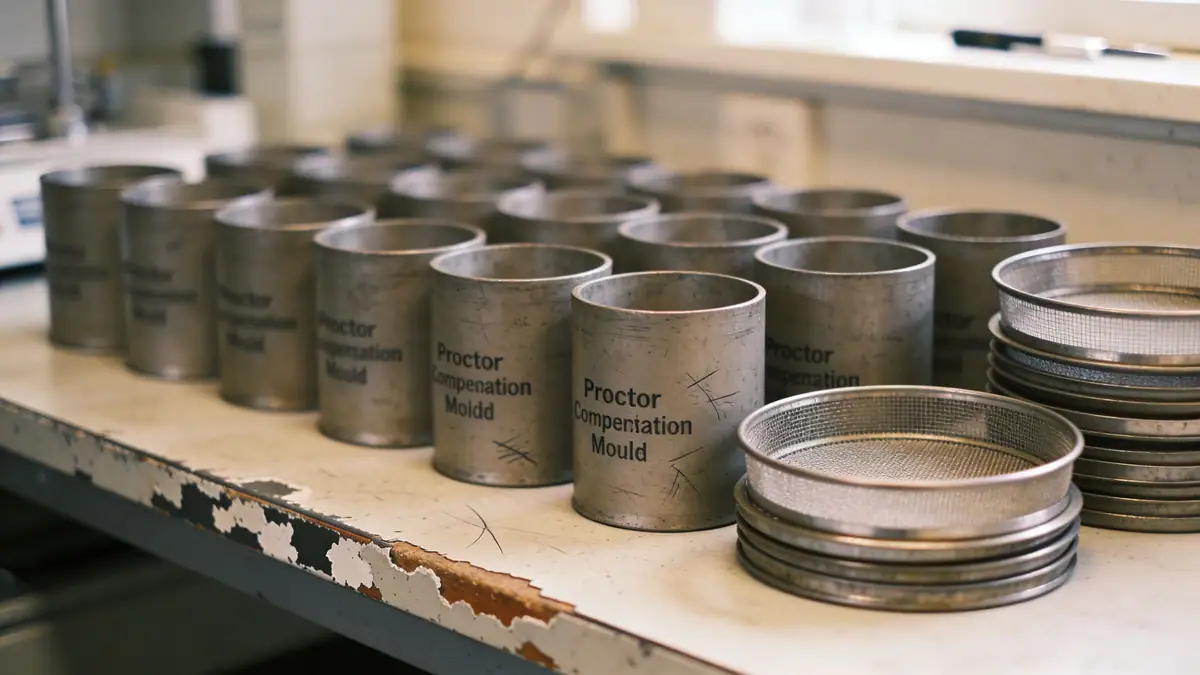
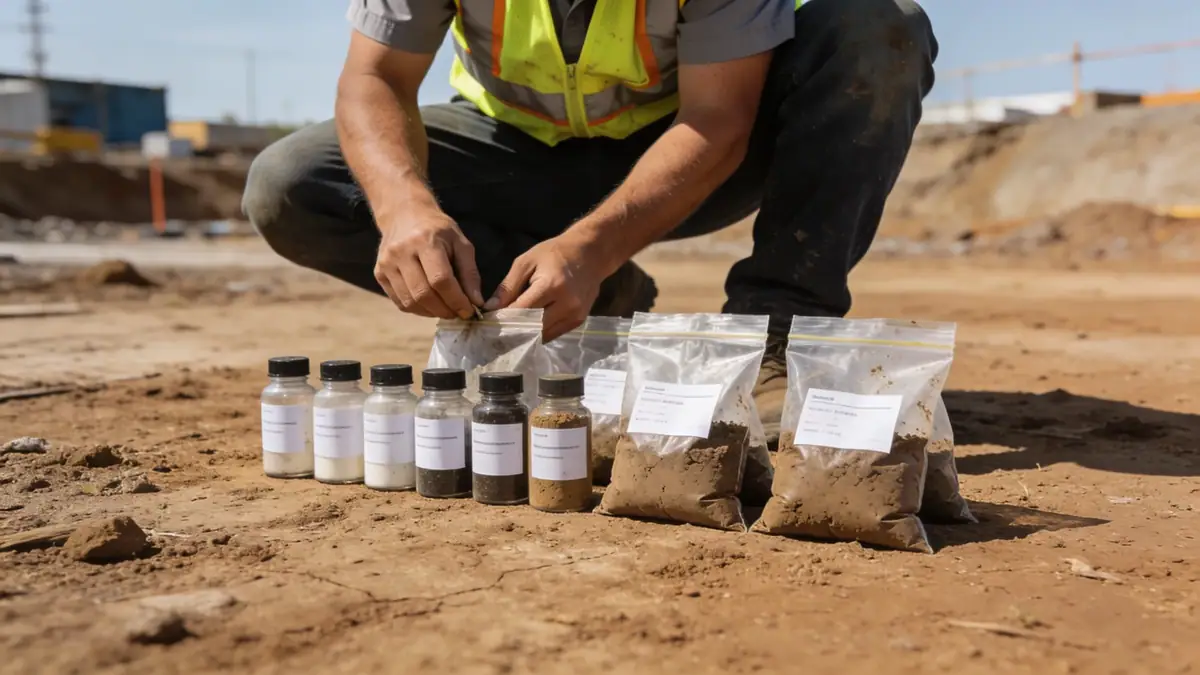
Our methodology for geotechnical engineering in Shreveport integrates field investigation and laboratory testing to characterize subsurface conditions. We conduct spt boring at regular intervals per ASTM D1586, typically advancing borings to 15 m in residential projects and up to 30 m for commercial structures. Groundwater levels are monitored using piezometers during and after drilling. Laboratory tests including grain size analysis (ASTM D6913) and Atterberg limits (ASTM D4318) are performed on representative samples. This data supports bearing capacity calculations and settlement analyses, forming the basis for foundation recommendations. Our systematic approach ensures reliable results for projects throughout the city.
Reference Technical Parameters
| Parameter | Reference Value |
|---|---|
| Predominant soil type | Alluvial sands, silts, and clays over Tertiary clay and sand |
| Maximum seismic acceleration (PGA) | 0.1–0.2 g (ASCE 7-22, Site Class C/D) |
| Typical groundwater level | 2–5 m below ground surface |
| Bedrock depth | >30 m (Tertiary strata, not competent bedrock) |
| Typical N60 range | 5–25 blows/300 mm (sands); 10–40 blows/300 mm (clays) |
Local Considerations — Shreveport
Shreveport’s geology is dominated by Quaternary alluvial deposits along the Red River floodplain, transitioning to Tertiary formations (Wilcox and Claiborne groups) in upland areas. The floodplain soils are loose sands and soft clays with high groundwater, prone to liquefaction under seismic loading. In contrast, the southern highlands feature stiff clays and dense sands with lower groundwater. Our team has extensive experience with these conditions, including deep foundation solutions for heavy structures and ground improvement techniques for soft soils. For projects requiring specialized analysis, we refer to our soil mechanics laboratory for precise testing. The city’s moderate seismicity (PGA up to 0.2 g) necessitates compliance with ASCE 7 seismic design categories. Local building codes mandate geotechnical investigations for most commercial and multi-family residential projects.
Request a Quote
Our team reviews your project and issues an initial report at no cost.
Or write us directly at [email protected]
Services in Shreveport
Applicable Standards
- ASTM D1586 (Standard Penetration Test)
- ASCE 7-22 (Minimum Design Loads for Buildings and Other Structures)
- International Building Code (IBC) 2021
- Louisiana State Uniform Construction Code
Frequently Asked Questions
What are the typical soil conditions in Shreveport?
Shreveport soils vary from alluvial sands and silts near the Red River to stiff clays and dense sands in the southern highlands. Groundwater is typically shallow (2–5 m), and bedrock is generally deeper than 30 m. These conditions require careful evaluation for foundation design.
Does Shreveport have seismic requirements for geotechnical engineering?
Yes, Shreveport falls under moderate seismic hazard per ASCE 7-22, with PGA values of 0.1–0.2 g depending on site class. Geotechnical reports must include seismic site classification, liquefaction potential, and appropriate foundation design parameters to comply with IBC 2021.
Are geotechnical studies mandatory for construction in Shreveport?
Local building codes typically require geotechnical investigations for commercial, industrial, and multi-family residential projects. Single-family homes may not be mandated but are strongly recommended to identify soil variability and groundwater issues that could affect foundation performance.