Methodology
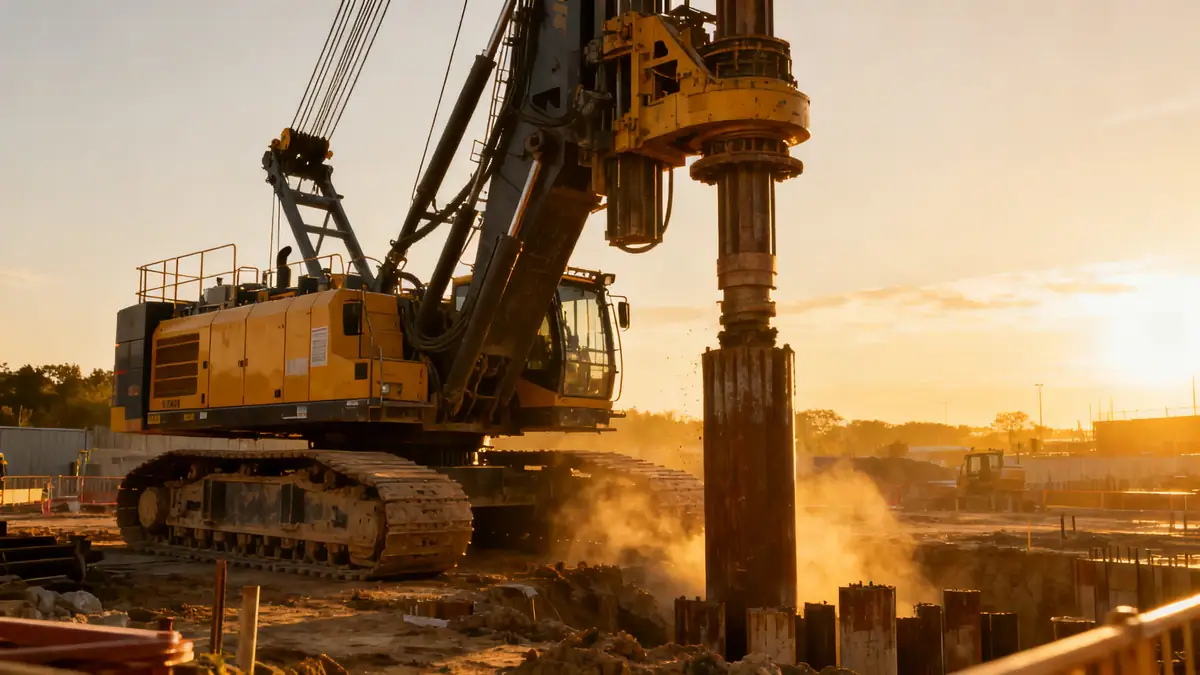
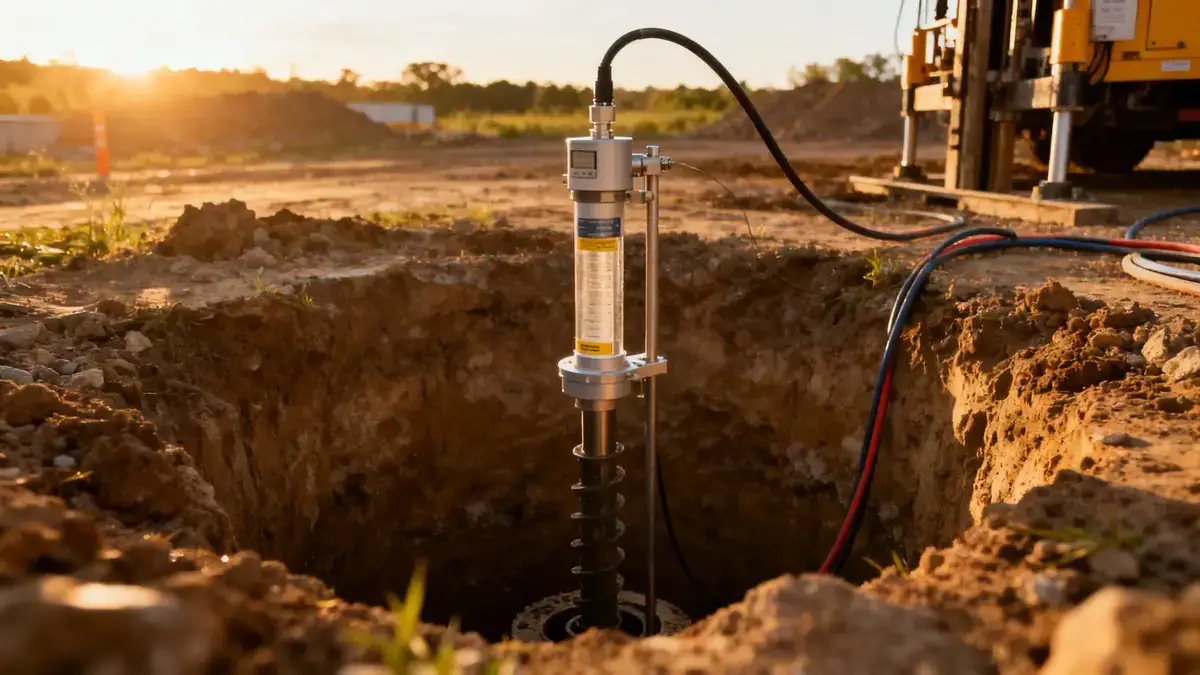
Our methodology for geotechnical engineering in Tulsa begins with a thorough review of existing geological maps and seismic hazard data from the USGS. Field investigations typically include spt boring performed in accordance with ASTM D1586 to obtain soil samples and measure N-values. We also conduct cone penetration tests (CPT) for continuous profiling of soil stratigraphy. Laboratory testing on recovered samples follows ASTM standards to determine index properties, strength, and consolidation characteristics. In Tulsa, special attention is given to the potential for liquefaction in saturated sands and the behavior of high-plasticity clays under cyclic loading. Our integrated approach ensures that design recommendations are tailored to local conditions.
Reference Technical Parameters
| Parameter | Reference Value |
|---|---|
| Predominant soil type | Claystone, shale, and alluvial sands/clays |
| Maximum seismic acceleration (PGA) | 0.15–0.25 g (ASCE 7, Site Class D) |
| Typical groundwater level | 3–6 m below ground surface |
| Bedrock depth | 10–30 m (Pennsylvanian-age shales and sandstones) |
| Typical N60 range (SPT) | 4–30 blows/0.3 m |
Local Considerations — Tulsa
Tulsa's geology is dominated by the Arkoma Basin, with near-surface claystone and shale interbedded with alluvial deposits along the Arkansas River. Expansive clay soils are common in the southern and eastern parts of the city, requiring careful evaluation of swell potential for slab-on-grade foundations. The region experiences induced seismicity from wastewater injection, with recorded earthquakes up to M5.0. The Oklahoma Building Code mandates ASCE 7 seismic design, with Site Class D typical. Local experience is essential for interpreting variable bedrock depths and groundwater conditions. For a comparative perspective, our team also provides geotechnical engineering en Houston, where Gulf Coast geology presents different challenges. Additionally, our soil mechanics laboratory supports Tulsa projects with site-specific testing.
Request a Quote
Our team reviews your project and issues an initial report at no cost.
Or write us directly at [email protected]
Services in Tulsa
Applicable Standards
- ASTM D1586 (Standard Test Method for SPT)
- ASCE 7 (Minimum Design Loads for Buildings)
- Oklahoma Building Code (IBC-based)
- ASTM D2487 (Classification of Soils)
Frequently Asked Questions
What are the typical soil conditions encountered in Tulsa?
Tulsa soils commonly consist of claystone, shale, and alluvial deposits. Expansive clays are prevalent in many areas, and shallow groundwater can be encountered at depths of 3–6 meters. Proper site characterization is essential for foundation design.
Does Tulsa have specific seismic design requirements?
Yes, the Oklahoma Building Code adopts ASCE 7 with seismic design categories based on risk. Tulsa's PGA ranges from 0.15–0.25 g for Site Class D, and structures must account for potential induced seismicity from nearby injection wells.
Are geotechnical studies mandatory for construction in Tulsa?
While not always mandated for single-family homes, commercial and multi-story projects typically require a geotechnical report. Local authorities often request soil investigations to verify compliance with foundation and seismic design provisions.