Methodology
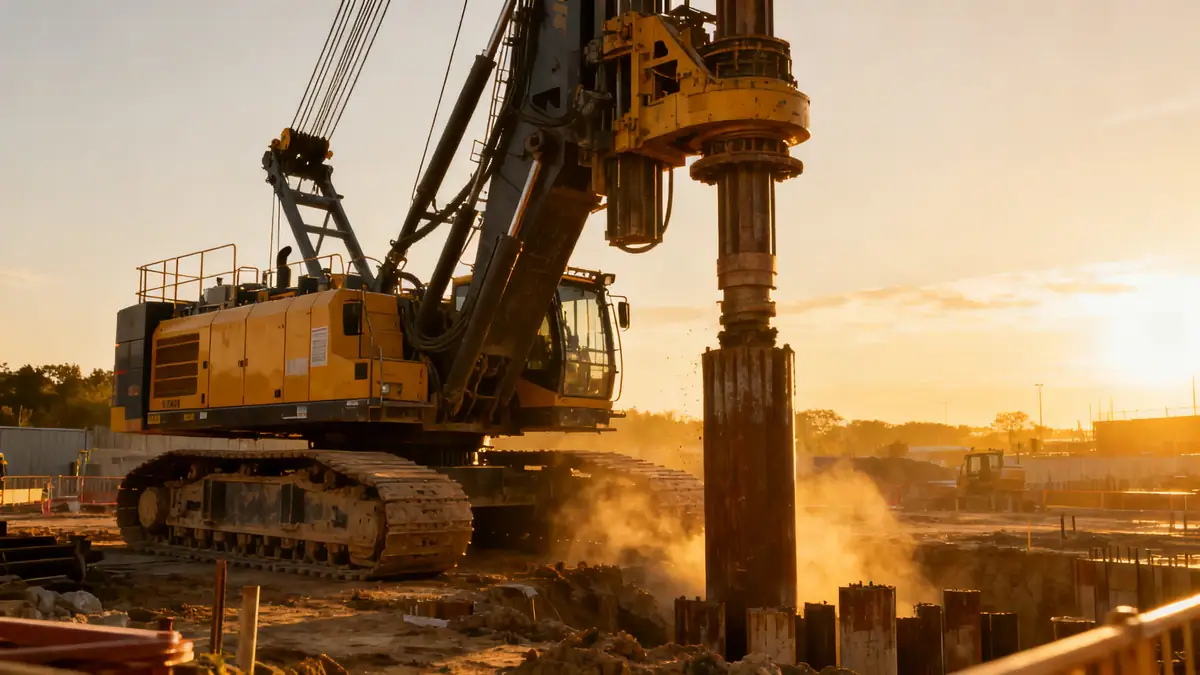
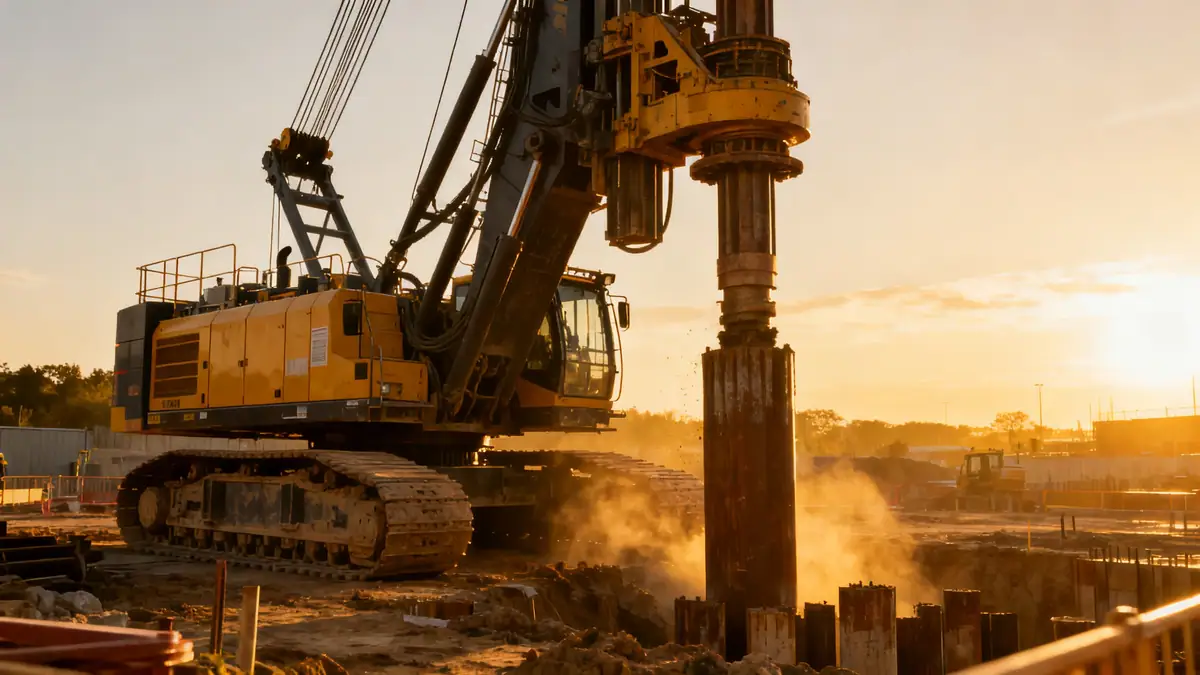
Our geotechnical approach in League City begins with a comprehensive site reconnaissance and review of existing geological maps. We then conduct subsurface explorations using spt boring to collect soil samples at regular intervals, typically every 1.5 meters per ASTM D1586. Laboratory testing on retrieved samples includes moisture content, Atterberg limits, and unconfined compressive strength. For seismic site classification, we perform shear wave velocity measurements where needed. All data is synthesized into a geotechnical report that outlines foundation options, allowable bearing pressures, and settlement estimates, adhering to local building codes and ASCE 7-16.
Reference Technical Parameters
| Parameter | Reference Value |
|---|---|
| Predominant Soil Type | Clay (CH, CL) and silty sand (SM) |
| Maximum Seismic Acceleration (PGA) | 0.10g (ASCE 7-16, Site Class D) |
| Typical Groundwater Level | 3–6 feet below ground surface |
| Bedrock Depth | >100 feet (unconsolidated sediments) |
| Typical N60 Range | 4–15 blows per foot in clay |
Local Considerations — League City
League City's geology is dominated by Quaternary alluvial deposits of the Brazoria and Beaumont formations, consisting of expansive clays and interbedded sands. High plasticity clays (CH) pose shrink-swell risks, requiring moisture conditioning or deep foundations. The shallow water table (3–6 ft) necessitates dewatering considerations for excavations. Seismically, the region falls under ASCE 7 Site Class D with a PGA of 0.10g, demanding careful soil liquefaction assessment for critical structures. Older neighborhoods near the bay may have undocumented fills. Our team coordinates with our soil mechanics laboratory for tailored testing. For broader regional context, see our geotechnical engineering en Houston page.
Request a Quote
Our team reviews your project and issues an initial report at no cost.
Or write us directly at [email protected]
Services in League City
Applicable Standards
- ASTM D1586 (Standard Penetration Test)
- ASCE 7-16 (Minimum Design Loads and Associated Criteria for Buildings)
- International Building Code (IBC) 2021
- Texas Administrative Code (Title 25, Part 1, Chapter 265)
Frequently Asked Questions
What soil types are most common in League City?
The predominant soils are high-plasticity clays (CH) and silty sands (SM) from the Brazoria and Beaumont formations. These expansive clays require careful evaluation for foundation design to mitigate swelling and shrinkage.
Is seismic design required for structures in League City?
Yes, the region has a seismic design category of C per ASCE 7-16, with a peak ground acceleration of 0.10g. Site-specific seismic analysis, including liquefaction potential, is recommended for essential facilities and large developments.
Are geotechnical studies mandatory for building permits in League City?
While not universally required for all residential projects, the city strongly recommends geotechnical investigations for any structure with deep foundations, expansive soils, or seismic risk. Many commercial permits mandate a geotechnical report per IBC.