Methodology
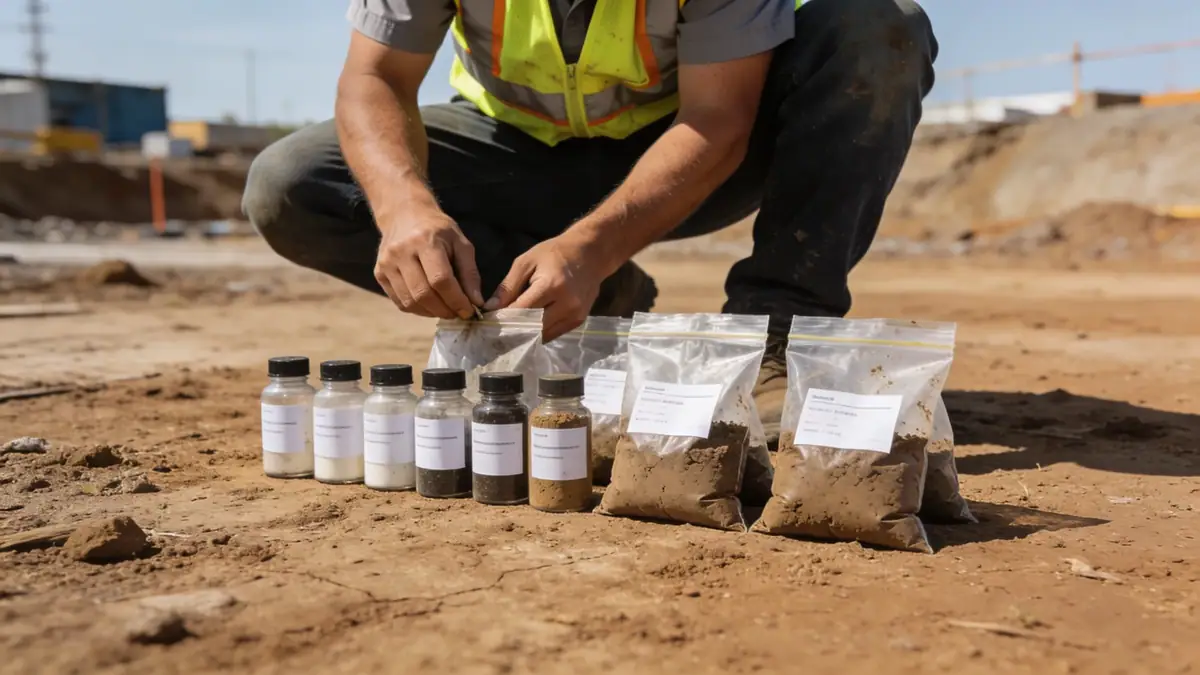
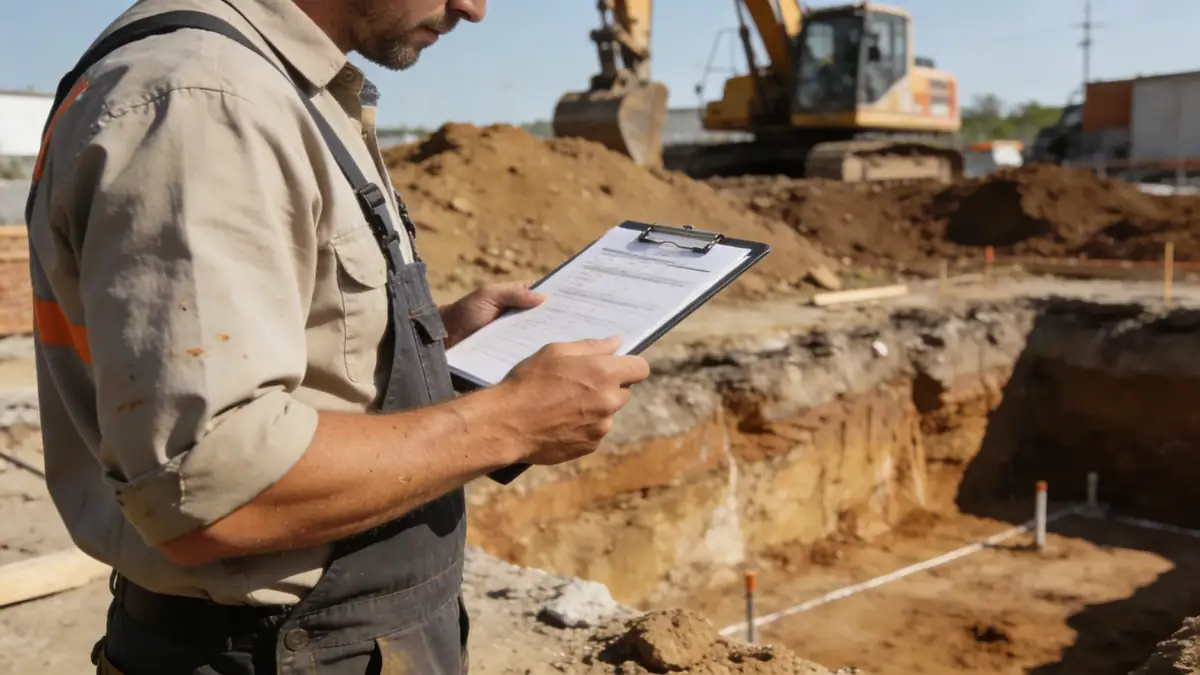
Our methodology in Dallas begins with a thorough review of existing geological maps and nearby project records. For subsurface exploration, we primarily employ spt boring following ASTM D1586, with sampling intervals of 1.5 m to depths of 15–30 m depending on structure loads. In areas with shallow bedrock, such as the Austin Chalk formation, we adjust boring depths accordingly. Soil classification includes Atterberg limits, grain size distribution, and triaxial shear testing per ASTM D4767. For expansive clays, we measure swell pressure and potential volume change. All field and laboratory data are synthesized into a geotechnical report that includes foundation recommendations, seismic site classification per ASCE 7-22, and construction considerations specific to Dallas.
Reference Technical Parameters
| Parameter | Reference Value |
|---|---|
| Predominant soil type | Expansive clay (Houston Black) over alluvial sands and gravels |
| Maximum seismic acceleration (PGA) | 0.10–0.15 g (ASCE 7-22 Site Class C/D) |
| Typical groundwater level | 3–6 m below grade (varies seasonally) |
| Bedrock depth | 5–30 m (Austin Chalk or Eagle Ford Shale) |
| Typical N60 range | 4–12 blows/0.3 m in clays; 20–50 in sands |
Local Considerations — Dallas
Dallas's geology is dominated by Cretaceous sedimentary formations, including the Austin Chalk and Eagle Ford Shale, overlain by Quaternary alluvium along the Trinity River. Expansive clays pose significant risks for slab heave and foundation movement, requiring specialized moisture control and deep foundation systems. Seismic hazard is moderate, with a maximum considered earthquake (MCE) spectral response acceleration at 0.2 s of 0.2g, necessitating site-specific response analysis per ASCE 7. Our team has extensive experience designing foundations for the variable soil conditions across Dallas, from the dense urban core to suburban developments. For projects requiring advanced laboratory analysis, we coordinate with our soil mechanics laboratory to ensure accurate characterization of soil behavior.
Request a Quote
Our team reviews your project and issues an initial report at no cost.
Or write us directly at [email protected]
Services in Dallas
Applicable Standards
- ASTM D1586 (Standard Test Method for Standard Penetration Test)
- ASCE 7-22 (Minimum Design Loads and Associated Criteria for Buildings and Other Structures)
- International Building Code (IBC) 2021
- City of Dallas Building Code (with local amendments)
Frequently Asked Questions
What are the typical soil conditions in Dallas?
Dallas soils are primarily expansive clays derived from the Blackland Prairie, underlain by alluvial sands and gravels near the Trinity River. Bedrock consists of Austin Chalk or Eagle Ford Shale at depths ranging from 5 to 30 meters. These conditions require careful foundation design to mitigate swelling and settlement risks.
Is seismic design required for buildings in Dallas?
Yes, Dallas is in Seismic Design Category B to C per ASCE 7-22, with a peak ground acceleration of 0.10–0.15 g. Site-specific seismic analysis is recommended for essential facilities or buildings on soft soils. Our team performs site classification and response spectra development to code requirements.
When is a geotechnical investigation mandatory in Dallas?
A geotechnical investigation is required for most commercial and multi-family projects per the City of Dallas Building Code. Residential structures on expansive soils also benefit from soil testing. Our firm provides investigations that satisfy local permitting and ensure foundation safety.