Methodology
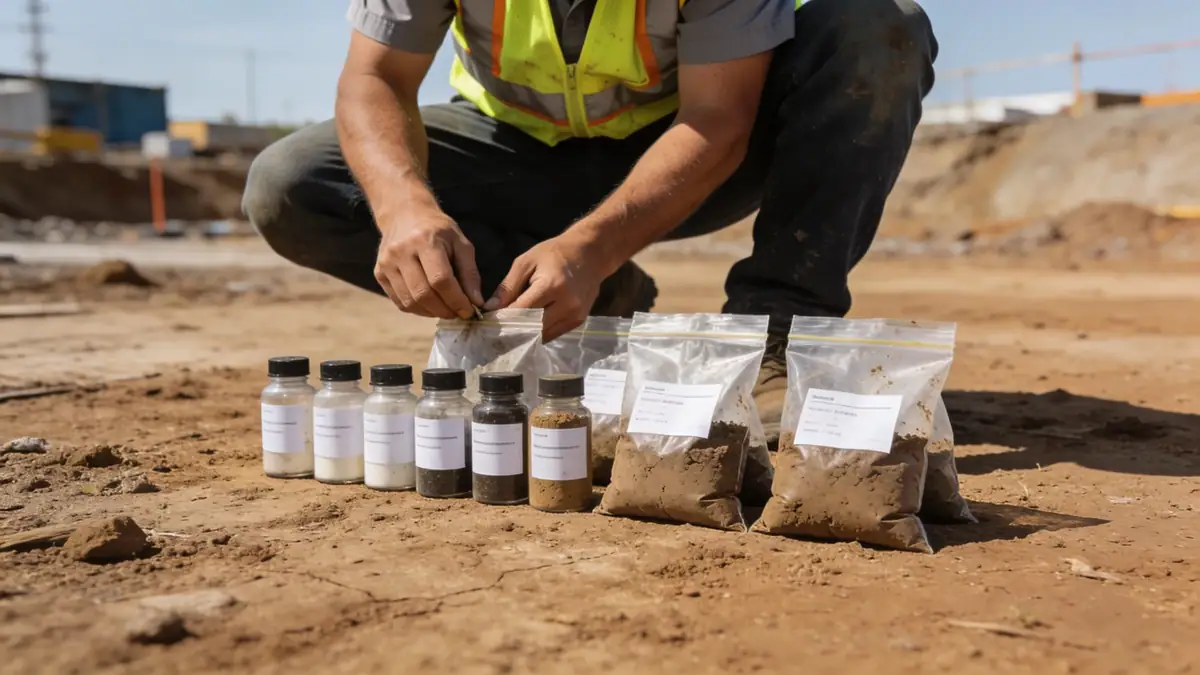
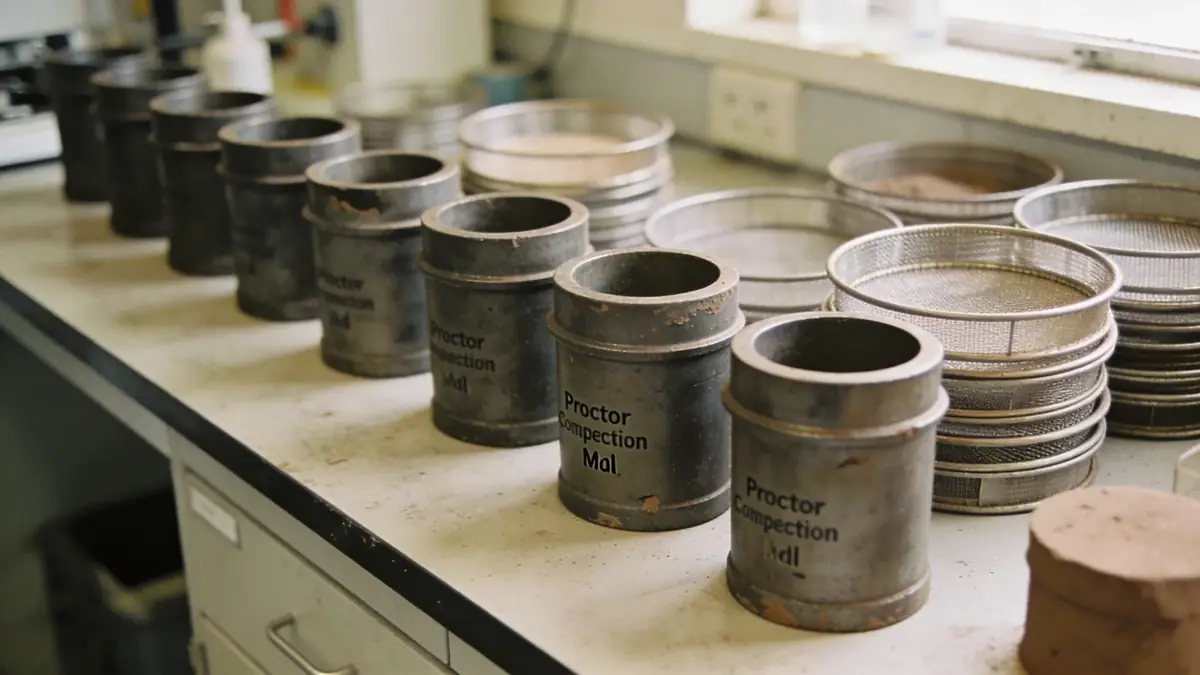
Our methodology for geotechnical engineering in Laredo integrates systematic field exploration and laboratory testing. We perform spt boring in accordance with ASTM D1586 to obtain soil samples and measure penetration resistance at regular intervals. These data are complemented by laboratory analyses including grain size distribution, Atterberg limits, and unconfined compression tests. Our approach ensures that subsurface variability is accurately characterized, providing reliable parameters for foundation and earthwork design.
Reference Technical Parameters
| Parameter | Reference Value |
|---|---|
| Predominant soil type | Clay and claystone (Tertiary), with alluvial sands and silts near Rio Grande |
| Typical N60 range (blows/ft) | 4–15 in clays; 10–30 in sands; >50 in claystone |
| Maximum seismic acceleration (PGA, in g) | 0.10–0.15g (ASCE 7, Site Class D) |
| Typical groundwater depth (ft) | 10–25 ft; shallow in floodplains, deeper in uplands |
| Bedrock depth (ft) | Variable: 20–60 ft to claystone; >100 ft in some alluvial areas |
Local Considerations — Laredo
Laredo's geology is dominated by the Rio Grande floodplain in the south and the Laredo Formation (Tertiary claystone and sandstone) in the north. Downtown and areas near the river typically exhibit soft to stiff clays with shallow groundwater, requiring deep foundations or soil improvement. In contrast, the northern sectors feature more competent claystone with lower compressibility. Seismic hazard is moderate, with PGA values of 0.10–0.15g per ASCE 7. Our team applies local knowledge to optimize foundation solutions, with reference to our geotechnical engineering en Houston practice for regional consistency.
Request a Quote
Our team reviews your project and issues an initial report at no cost.
Or write us directly at [email protected]
Services in Laredo
Applicable Standards
- ASTM D1586 (Standard Test Method for Standard Penetration Test)
- ASCE 7 (Minimum Design Loads and Associated Criteria for Buildings and Other Structures)
- International Building Code (IBC) 2021
- Texas Administrative Code (Title 16, Part 1, Chapter 61)
Frequently Asked Questions
What are the typical soil conditions for geotechnical engineering in Laredo?
Laredo soils range from soft alluvial clays and silts along the Rio Grande to stiff claystone and sandstone in northern areas. The Standard Penetration Test (ASTM D1586) typically yields N60 values of 4–15 in clays and 10–30 in sands, with claystone exceeding 50 blows per foot.
What seismic design parameters apply to Laredo?
Per ASCE 7 and the IBC, Laredo is assigned a maximum considered earthquake spectral response acceleration (S_MS) corresponding to a PGA of 0.10–0.15g for Site Class D. Site-specific response spectra may be required for critical structures.
Are geotechnical investigations mandatory for construction in Laredo?
While not explicitly mandated by city ordinance for all projects, the IBC requires a geotechnical investigation for seismic design categories C, D, E, and F, and for any structure involving deep foundations, retaining walls, or slopes. Most local building officials expect a report.