Methodology
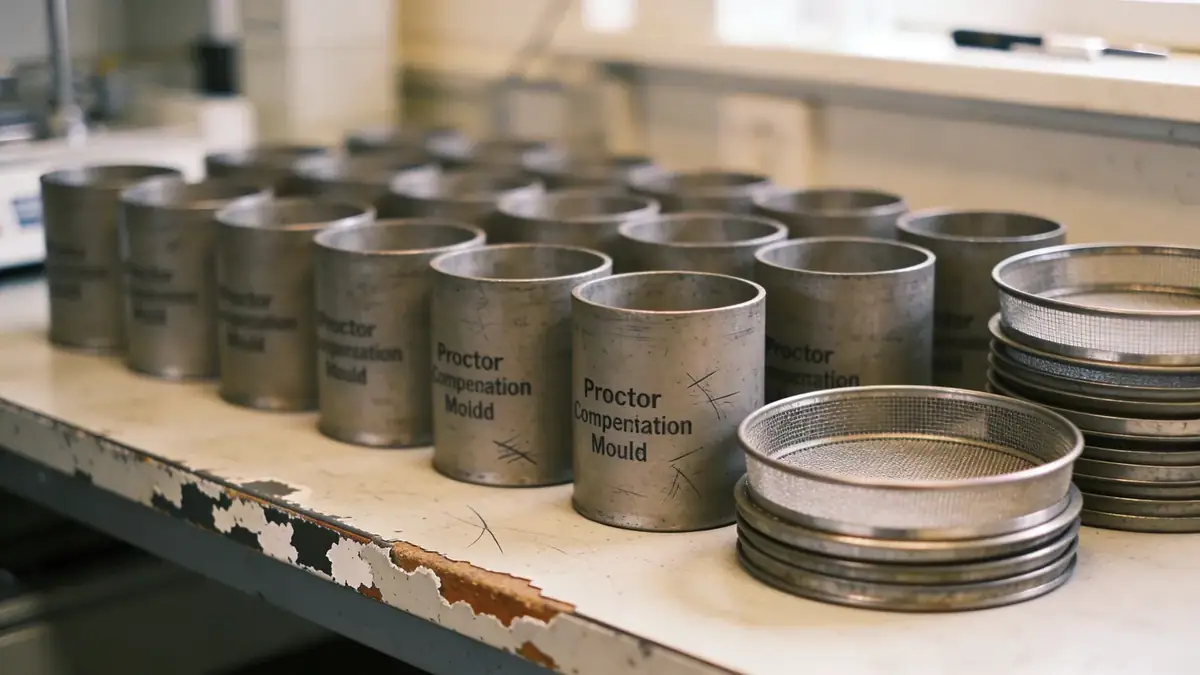
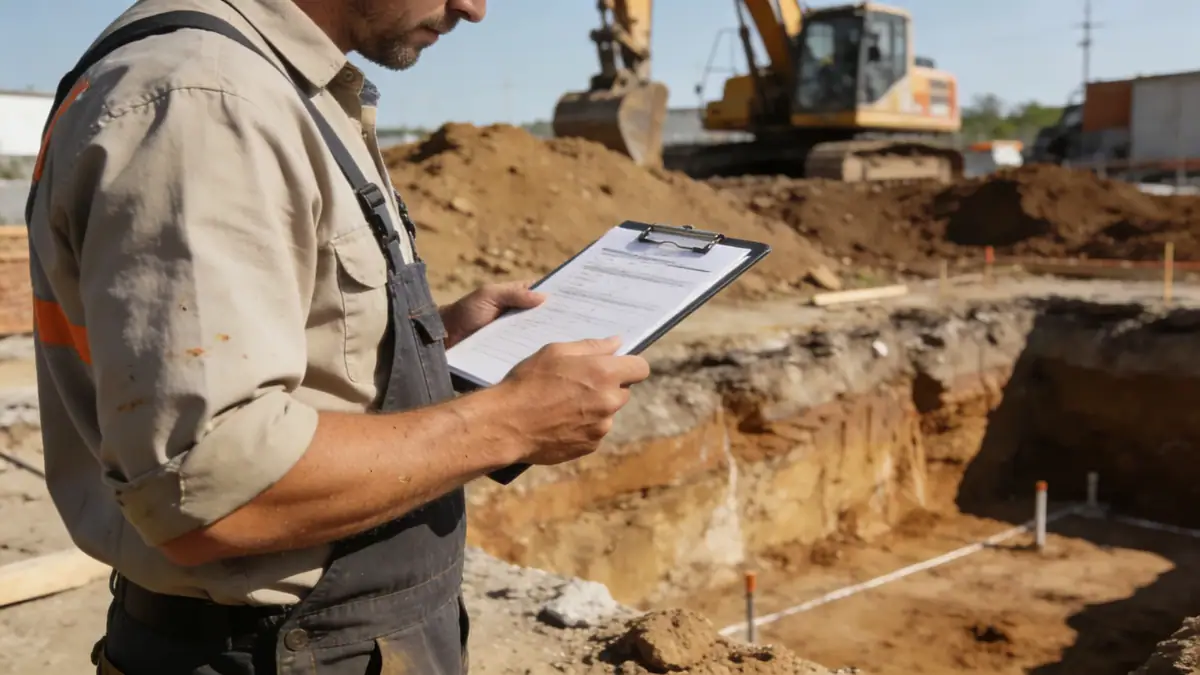
Our approach integrates systematic subsurface investigation with advanced laboratory testing. We perform spt boring to recover soil samples and measure N-values, typically at 1.5 m intervals per ASTM D1586. In cohesive soils, we supplement with thin-walled tube sampling for undisturbed specimens. Laboratory programs include classification, strength, and consolidation tests. All data are synthesized into a geotechnical model that accounts for local groundwater conditions and seismic demands, supporting rational foundation design.
Reference Technical Parameters
| Parameter | Reference Value |
|---|---|
| Predominant soil type | Silty clay and sand (Mississippi alluvium) |
| Maximum seismic acceleration (PGA) | 0.2g–0.3g (ASCE 7-16, Site Class D) |
| Typical groundwater level | 2–5 m below grade |
| Bedrock depth | 15–30 m (Pleistocene terrace over Miocene strata) |
| Typical N60 range | 5–15 blows/0.3 m (soft to medium stiff clay) |
Local Considerations — Baton Rouge
Baton Rouge’s geology is dominated by Mississippi River alluvium and Pleistocene terraces. Shallow soils are often soft, high-plasticity clays with low bearing capacity, requiring deep foundations or ground improvement. Groundwater is typically shallow (2–5 m), influencing excavation and dewatering designs. Seismic hazard is moderate, with PGA values of 0.2g–0.3g per ASCE 7-16, necessitating liquefaction evaluation in loose sands. Older neighborhoods (e.g., Spanish Town) may have undocumented fill, while new developments in the southern corridor encounter firmer terrace deposits. Our firm’s central hub for regional expertise is our geotechnical engineering team in Houston, which supports Baton Rouge projects with additional resources.
Request a Quote
Our team reviews your project and issues an initial report at no cost.
Or write us directly at [email protected]
Services in Baton Rouge
Applicable Standards
- ASTM D1586 (Standard Penetration Test)
- ASCE 7-16 (Minimum Design Loads for Buildings)
- IBC 2021 (International Building Code)
- Louisiana State Uniform Construction Code
- ASTM D2487 (Unified Soil Classification System)
Frequently Asked Questions
What types of soil are most common in Baton Rouge?
The city is underlain by Mississippi River alluvial deposits—predominantly silty clays and sands—over Pleistocene terrace formations. Near-surface clay layers often exhibit high plasticity and low strength, requiring careful geotechnical evaluation for foundation design.
Is a geotechnical study mandatory for construction in Baton Rouge?
While not always legally required for small residential projects, the Louisiana State Uniform Construction Code and IBC 2021 strongly recommend site-specific geotechnical investigations for any structure with shallow foundations or significant loads. Lenders and insurers often require reports for risk assessment.
How does seismic activity in the New Madrid zone affect Baton Rouge?
Baton Rouge lies within a moderate seismic hazard zone due to the New Madrid Seismic Zone. ASCE 7-16 maps indicate PGA values of 0.2g–0.3g for Site Class D. Geotechnical reports must address liquefaction potential in loose, saturated sands and provide site coefficients for design spectra.