Methodology
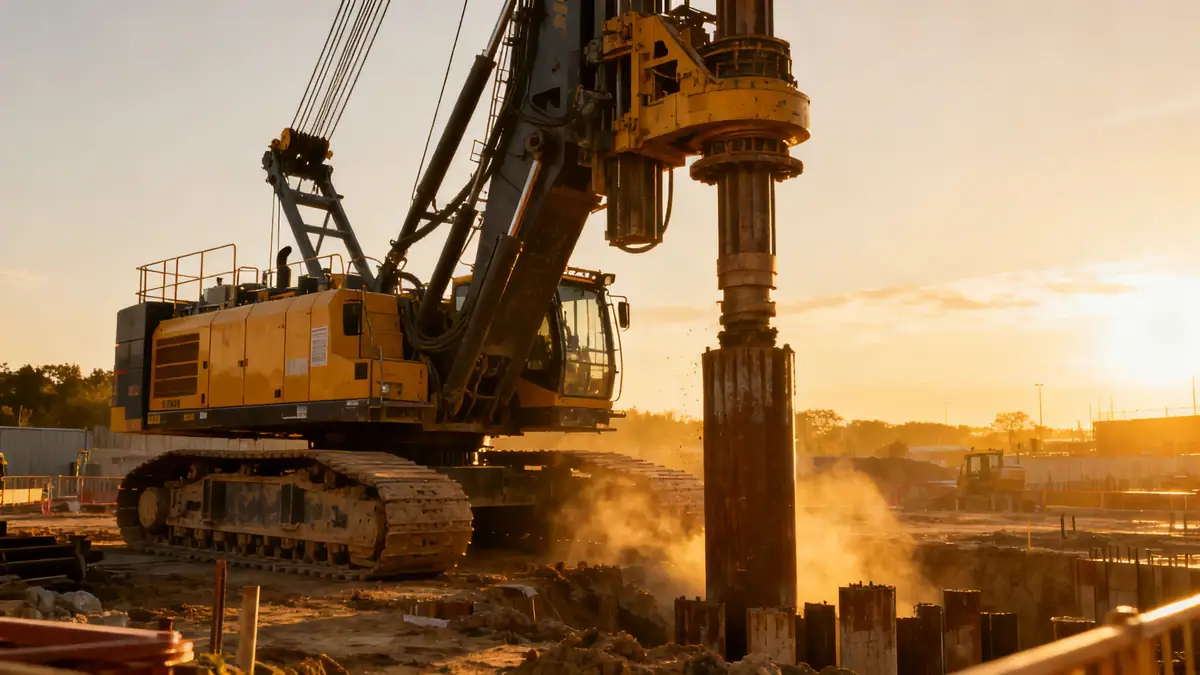
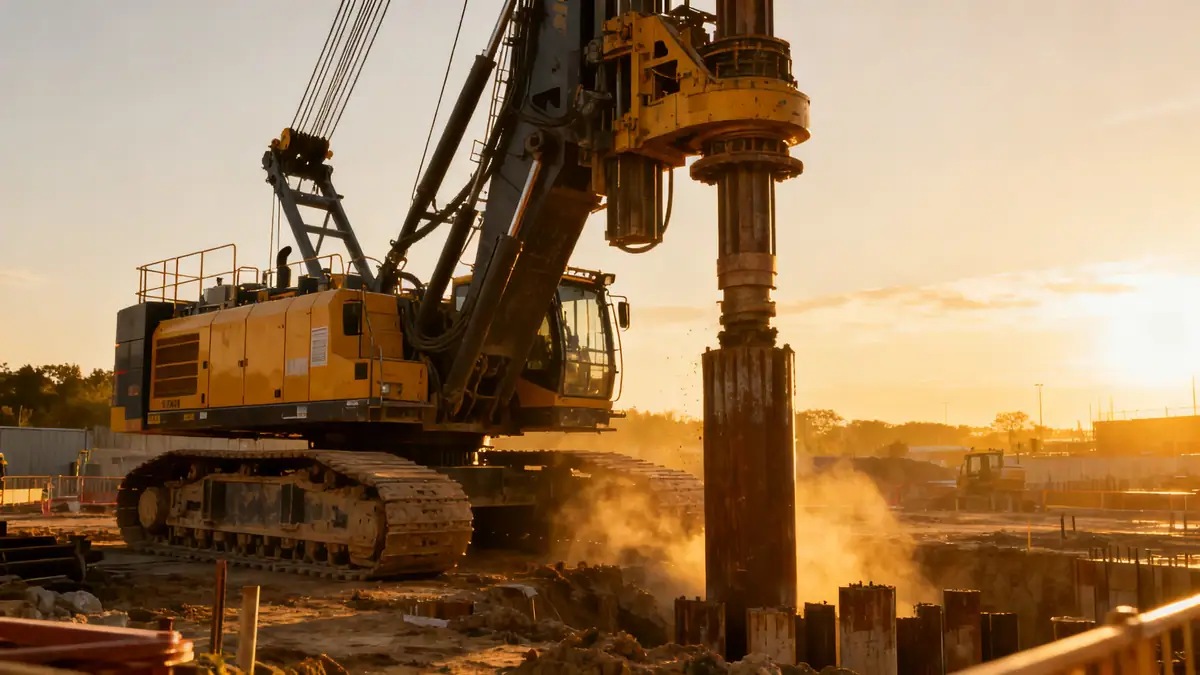
Our approach to geotechnical engineering in San Antonio begins with comprehensive site reconnaissance and review of existing geological maps. We employ spt boring in accordance with ASTM D1586 to assess soil strength and stratigraphy, typically advancing borings to depths of 15–30 m for commercial structures. Laboratory testing on recovered samples includes classification, strength, and consolidation tests. For sensitive sites near the Edwards Aquifer, we implement groundwater monitoring and percolation tests. All data is integrated into a site-specific geotechnical report that addresses bearing capacity, settlement, and seismic design parameters per ASCE 7.
Reference Technical Parameters
| Parameter | Reference Value |
|---|---|
| Predominant soil type | Clay and limestone (Edwards Limestone) |
| Maximum seismic acceleration (PGA) | 0.1g–0.2g (ASCE 7 Site Class C/D) |
| Typical groundwater level | 6–15 m below ground surface (varies with recharge zone) |
| Bedrock depth | 1–10 m (shallow in Hill Country, deeper in south) |
| Typical N60 range | 10–50 blows/ft (clay to limestone) |
Local Considerations — San Antonio
San Antonio's geology is dominated by the Edwards Aquifer recharge zone, requiring careful groundwater management during excavation. The Balcones Escarpment creates sharp transitions from limestone bedrock to deep clay soils, influencing foundation type selection. Seismic hazard is moderate, with PGA values up to 0.2g per ASCE 7. Expansive clays in the southern plains necessitate moisture control measures. Our team integrates local knowledge with advanced analysis, referencing slope stability studies for developments along the escarpment. For projects requiring regional coordination, we also offer geotechnical engineering en Houston services.
Request a Quote
Our team reviews your project and issues an initial report at no cost.
Or write us directly at [email protected]
Services in San Antonio
Applicable Standards
- ASTM D1586 (Standard Penetration Test)
- ASCE 7 (Minimum Design Loads for Buildings and Other Structures)
- IBC 2021 (International Building Code)
- San Antonio Unified Development Code (UDC)
Frequently Asked Questions
What are the typical soil conditions encountered in San Antonio?
San Antonio soils vary from expansive clays in the south to limestone bedrock in the Hill Country. Clay soils often have high plasticity, requiring specialized foundation designs to mitigate swelling. Limestone provides excellent bearing capacity but may require rock coring for deep foundations.
Is seismic design required for San Antonio structures?
Yes, per ASCE 7, San Antonio falls within Seismic Design Category B to C, with PGA up to 0.2g. Buildings must consider lateral loads and site-specific soil amplification. Geotechnical reports must include seismic site class and liquefaction potential, especially in areas with deep sandy soils.
Are geotechnical studies mandatory for new construction in San Antonio?
The city of San Antonio requires geotechnical investigations for most commercial and residential projects, especially those in floodplains or near the Edwards Aquifer. The Unified Development Code mandates soil reports for permit approval, ensuring public safety and environmental protection.