Methodology
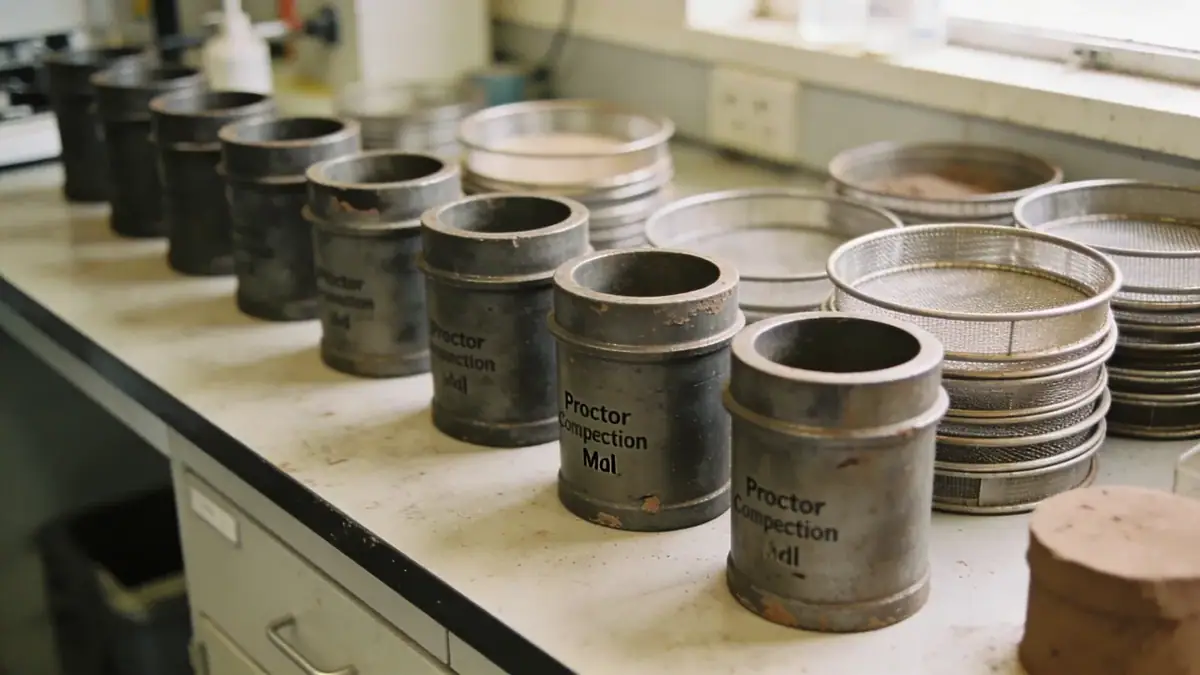
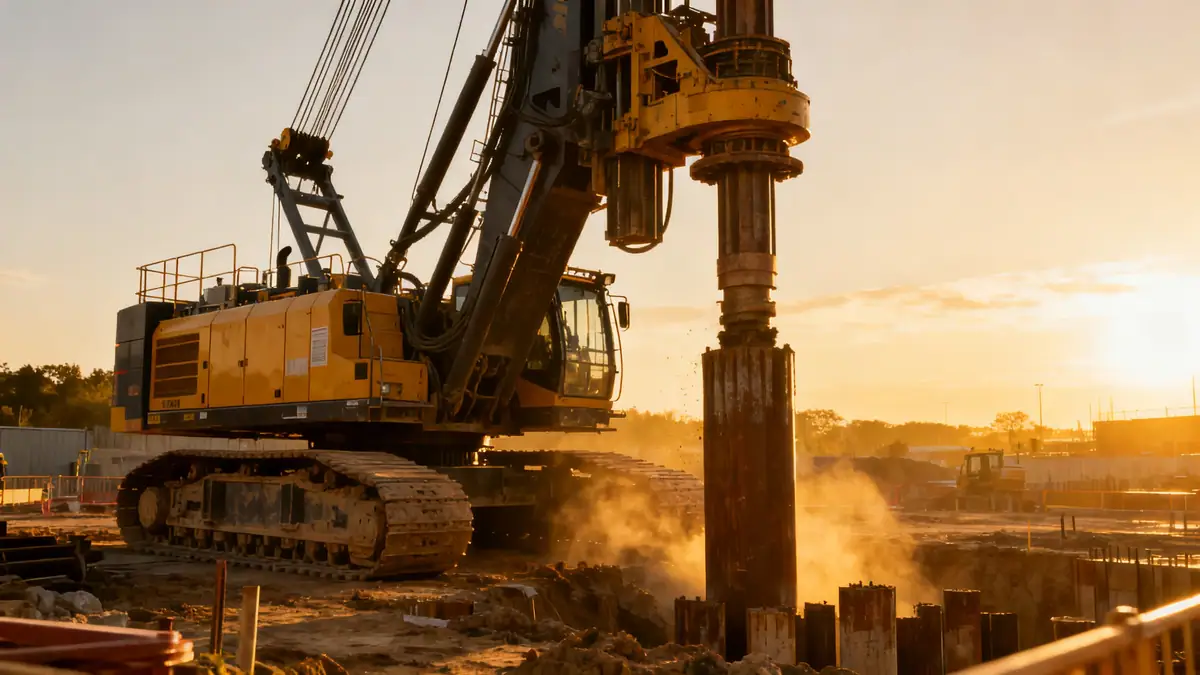
Our approach to geotechnical engineering in Frisco Texas begins with a thorough review of existing geological maps and nearby project records. We then conduct a site-specific exploration program, typically including spt boring to recover disturbed and undisturbed samples at regular intervals. This is complemented by soil mechanics laboratory testing to classify materials and measure strength, compressibility, and swell potential. Field observations of groundwater levels and surface drainage patterns are integrated into our analysis. By synthesizing these data, we develop a subsurface profile that informs foundation design, earthwork specifications, and pavement recommendations. Our methodology adheres to ASTM standards and local building codes, ensuring defensible results for every project.
Reference Technical Parameters
| Parameter | Reference Value |
|---|---|
| Predominant soil type | Expansive clay (high plasticity, CH) |
| Maximum seismic acceleration (PGA) | 0.1g to 0.15g (ASCE 7-16) |
| Typical groundwater level | 15 to 30 feet below ground surface |
| Bedrock depth | Over 100 feet (Austin Chalk formation) |
| Typical N60 range | 4 to 15 blows per foot in clay; 20 to 50 in sand layers |
Local Considerations — Frisco Texas
Frisco Texas sits atop the Blackland Prairie, underlain by expansive clay soils derived from the Taylor Marl and Austin Chalk formations. These soils exhibit moderate to high shrink-swell potential, requiring careful foundation design for slab-on-grade or pier-and-beam systems. The region lies in a moderate seismic zone (ASCE 7 Site Class D), with peak ground accelerations up to 0.15g. Groundwater is generally deep, but perched water can occur after heavy rains. Development in northern Frisco near the Lake Lewisville area may encounter alluvial deposits. Typical projects include residential subdivisions, retail centers, and schools, where our team provides tailored recommendations. For broader regional expertise, see geotechnical engineering en Houston.
Request a Quote
Our team reviews your project and issues an initial report at no cost.
Or write us directly at [email protected]
Services in Frisco Texas
Applicable Standards
- ASTM D1586 (Standard Penetration Test)
- ASCE 7-16 (Minimum Design Loads and Associated Criteria for Buildings and Other Structures)
- International Building Code (IBC) 2021
- City of Frisco Engineering Design Standards
Frequently Asked Questions
What soil conditions are typical for Frisco Texas?
Frisco Texas predominantly features high-plasticity expansive clays (CH) from the Taylor Marl formation. These soils can swell significantly when wet and shrink when dry, posing challenges for foundations. Sandy layers and limestone bedrock may be encountered at depth. Proper geotechnical investigation is essential to characterize these materials.
Is seismic design required in Frisco Texas?
Yes, Frisco Texas falls under ASCE 7 seismic design categories B to C, with mapped peak ground accelerations of 0.1g to 0.15g. While not high-seismic, structures must comply with IBC provisions for moderate shaking. Site-specific seismic analysis may be needed for large or critical facilities.
Are geotechnical studies mandatory for construction in Frisco Texas?
The City of Frisco requires a geotechnical report for most building permits, especially for commercial structures and subdivisions. The report must address soil bearing capacity, expansive potential, and pavement design. Residential projects may also require studies if expansive soils are suspected or if the structure exceeds certain size thresholds.