Methodology
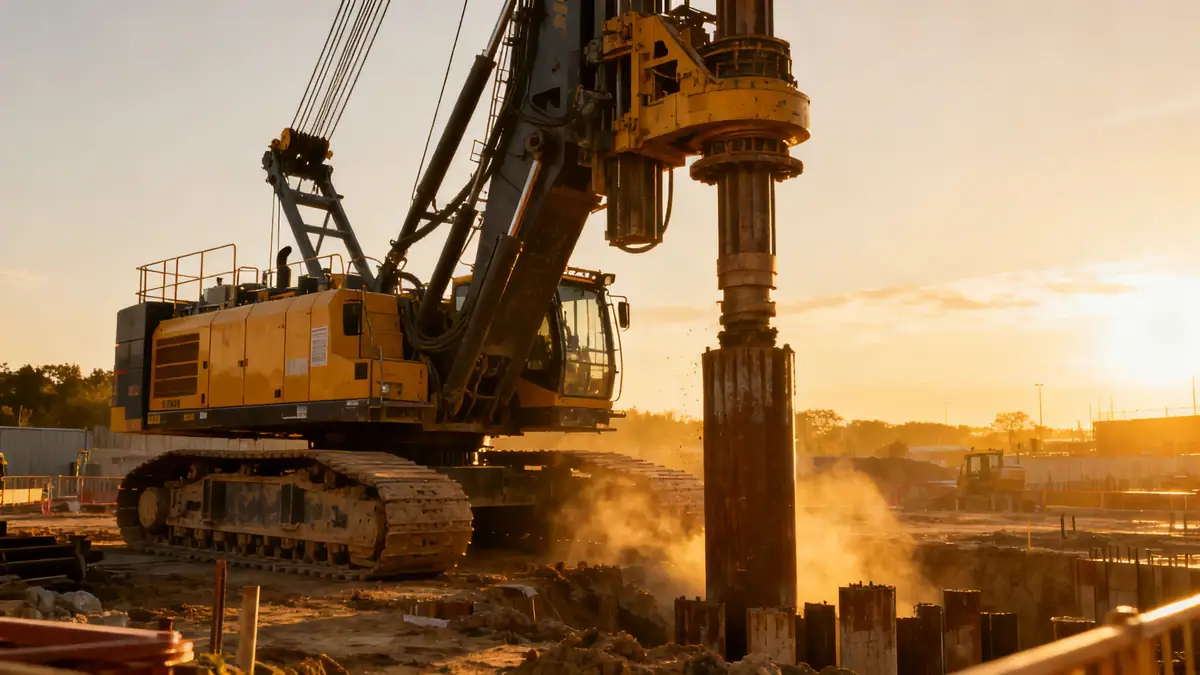
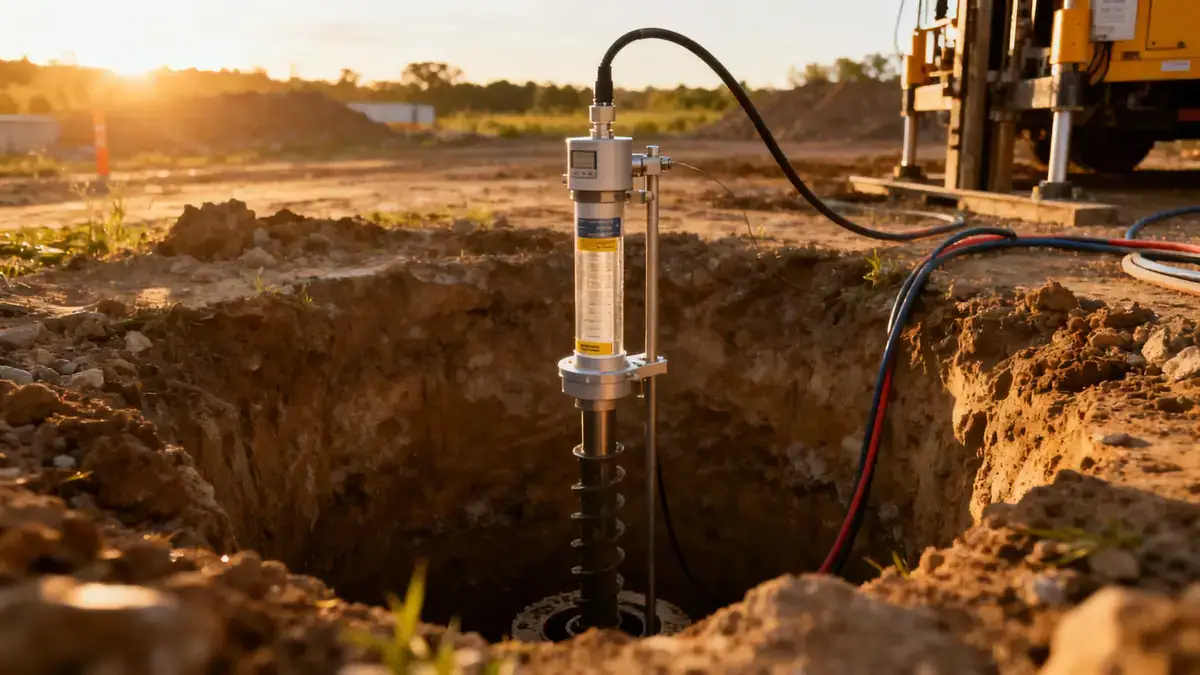
Our approach to geotechnical engineering in Corpus Christi integrates field exploration, laboratory testing, and numerical analysis. We perform spt boring at depths up to 15 meters for typical projects, with continuous sampling per ASTM D1586. Laboratory tests classify soils (ASTM D2487), measure shear strength (ASTM D3080), and assess consolidation (ASTM D2435). For seismic evaluations, we use site-specific response analysis per ASCE 7, accounting for the region's peak ground acceleration of 0.2g. This methodology ensures robust foundation designs for all project types.
Reference Technical Parameters
| Parameter | Reference Value |
|---|---|
| Predominant Soil Type | Clay and clay shale (high plasticity) |
| Maximum Seismic Acceleration (PGA) | 0.2g (ASCE 7, Site Class D) |
| Typical Groundwater Level | 1.5 to 3.0 meters below ground surface |
| Bedrock Depth | Variable, typically >30 meters |
| Typical N60 Range | 4 to 15 blows per 0.3m (soft to stiff clay) |
Local Considerations — Corpus Christi
Corpus Christi's geology is dominated by Beaumont Formation clays, which are highly expansive and prone to volume changes with moisture. Shallow groundwater, often within 2 meters, complicates excavation and requires dewatering plans. Seismic hazard is moderate, with PGA of 0.2g per ASCE 7, necessitating site-specific response spectra for critical structures. The city's coastal location also demands corrosion-resistant materials for deep foundations. Our team has extensive experience with these conditions, from residential slabs to industrial foundations. For advanced analysis, we offer slope stability studies to address bluff erosion and canal embankments. Additionally, our geotechnical engineering en Houston office supports regional projects with similar coastal challenges.
Request a Quote
Our team reviews your project and issues an initial report at no cost.
Or write us directly at [email protected]
Services in Corpus Christi
Applicable Standards
- ASTM D1586 (Standard Penetration Test)
- ASCE 7 (Minimum Design Loads and Associated Criteria for Buildings and Other Structures)
- ASTM D2487 (Classification of Soils for Engineering Purposes)
- ASTM D3080 (Direct Shear Test)
- ASTM D2435 (Consolidation Test)
Frequently Asked Questions
What are the typical soil types encountered in Corpus Christi?
The predominant soils are high-plasticity clays of the Beaumont Formation, which are expansive and can cause foundation movement if not properly addressed. These clays have low bearing capacity and require careful moisture control during construction.
Is seismic analysis required for projects in Corpus Christi?
Yes, per ASCE 7, Corpus Christi is in a moderate seismic zone with a peak ground acceleration of 0.2g. Site-specific seismic response analysis is recommended for essential facilities and structures with irregular configurations to ensure compliance with local building codes.
When is a geotechnical study mandatory in Corpus Christi?
Most municipalities require a geotechnical report for new commercial buildings, multi-family residential projects, and any structure with deep foundations or unusual loads. Single-family homes may not require a full study, but it is strongly advised given the expansive clay conditions.